Boiler types

Boiler types, compared

Combi, system and conventional boilers heat your home in different ways. Here is what each costs, how efficient it is and which homes it suits.
Free, no-obligation quotes
One vetted installer per upgrade
Gas Safe registered engineers
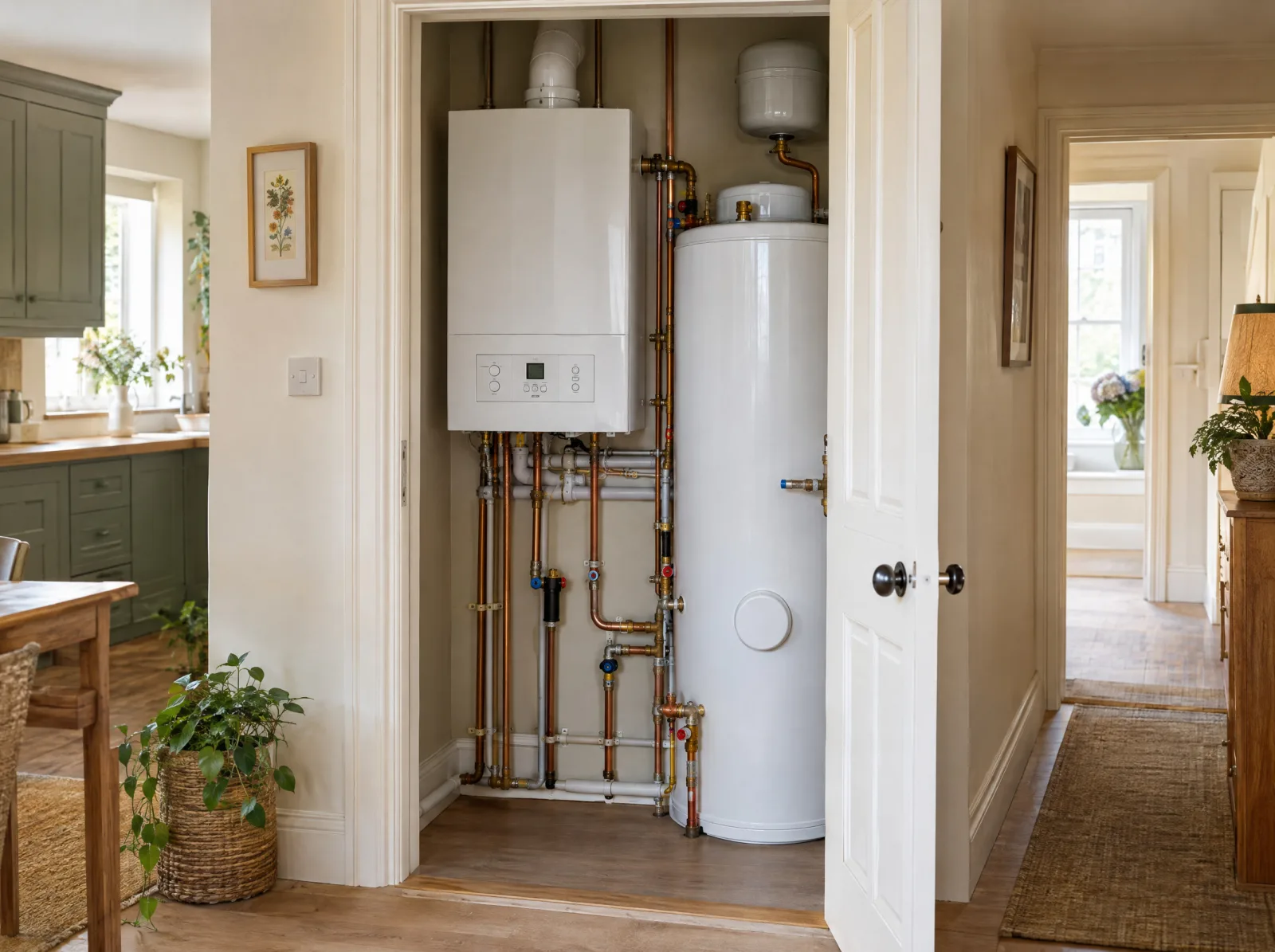
Airing cupboard with a white system boiler, a hot water cylinder and copper pipework
The options

Three boiler types,and how to choose

The right boiler depends on how many bathrooms you have, your water pressure and the space you can give it.
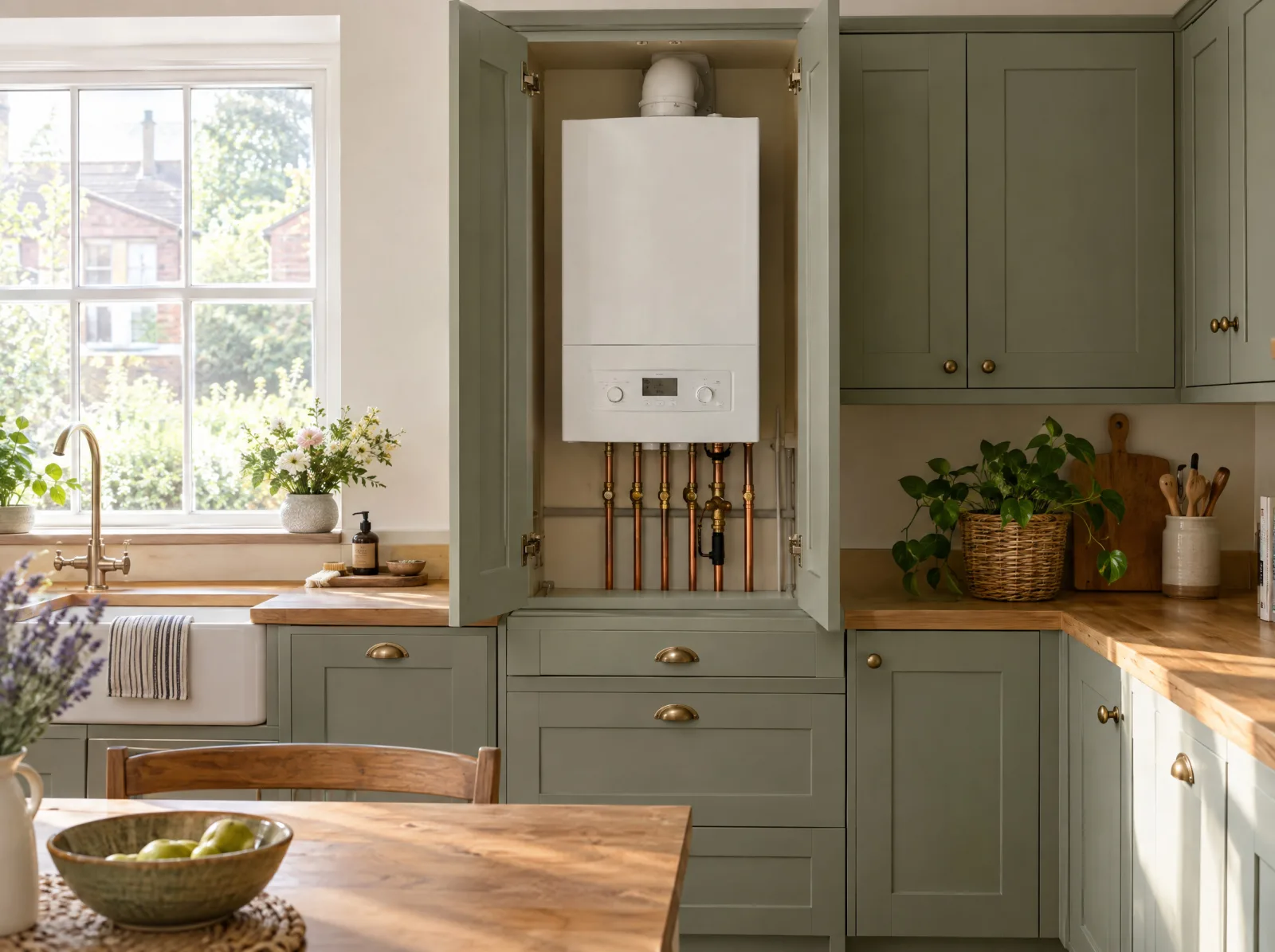
A compact white combi boiler inside an open sage green shaker kitchen cupboard, with neat copper pipes below and an oak worktop, Belfast sink and window beside it.

Small households with lower energy use

Combi boiler

Want to heat up water on demand? Combi boilers are the UK's most popular boiler, beloved for being highly energy-efficient, compact, and capable of instant hot water delivery.

Β£1,200 to Β£3,500
92 to 94%
10 to 15 years
The official figures

Ideal for
  • Small households
  • One bathroom
  • Good mains water pressure
  • Less than 10 radiators (for the smallest size available)
What you get
  • No cylinder or loft tank needed
  • Hot water on demand
  • Takes up the least space
What to weigh up
  • Flow is shared, so two showers at once suffer
  • Depends on mains water pressure
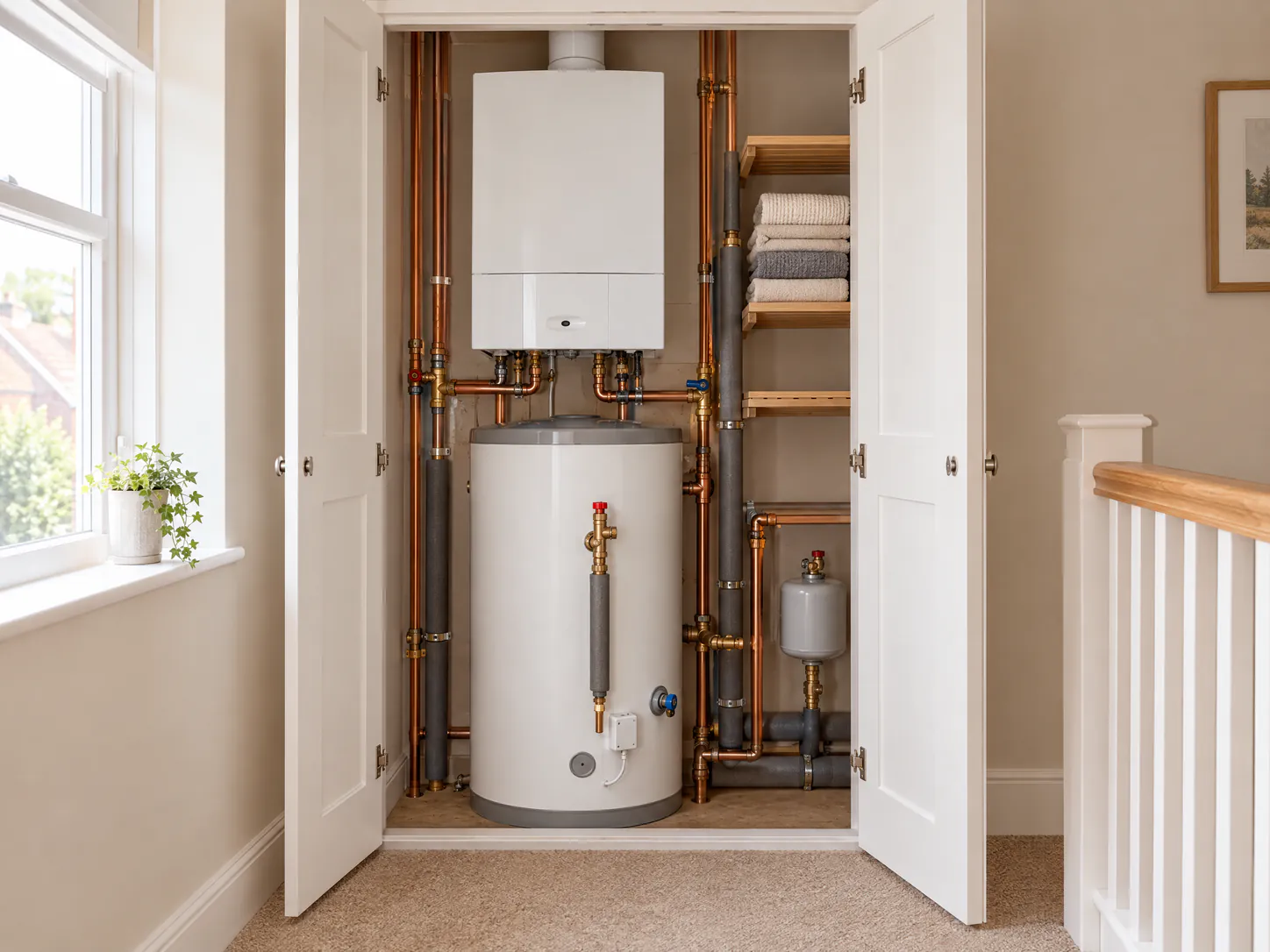
A white system boiler on the wall of an open airing cupboard next to a tall white unvented hot water cylinder, with copper pipework, valves and an expansion vessel above.

Medium-to-large homes with high energy demands

System boiler

System boilers are compact and energy-efficient (like combi boilers) but have a storage tank (like regular boilers). They can deliver a constant supply of hot water to your taps, even when they’re running simultaneously.

Β£1,250 to Β£4,000
85 to 92%
15 to 20 years
The official figures

Ideal for
  • Medium-to-large homes
  • Two to three bathrooms
  • Good water pressure
  • Solar panel compatibility
What you get
  • Handles several outlets at once
  • Most components built into the boiler
  • Suits higher hot water demand
What to weigh up
  • Needs space for a cylinder
  • Hot water is limited by cylinder size
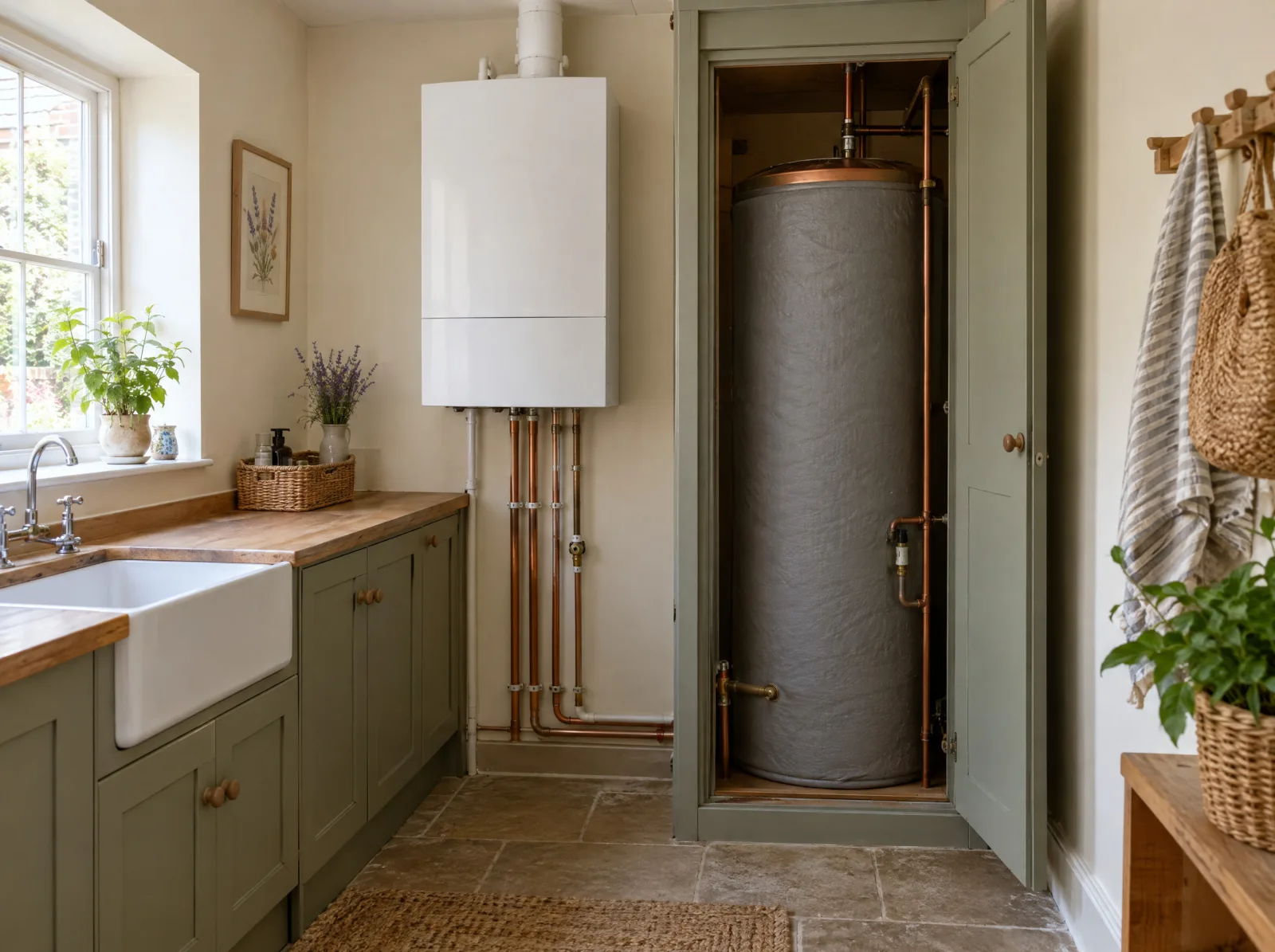
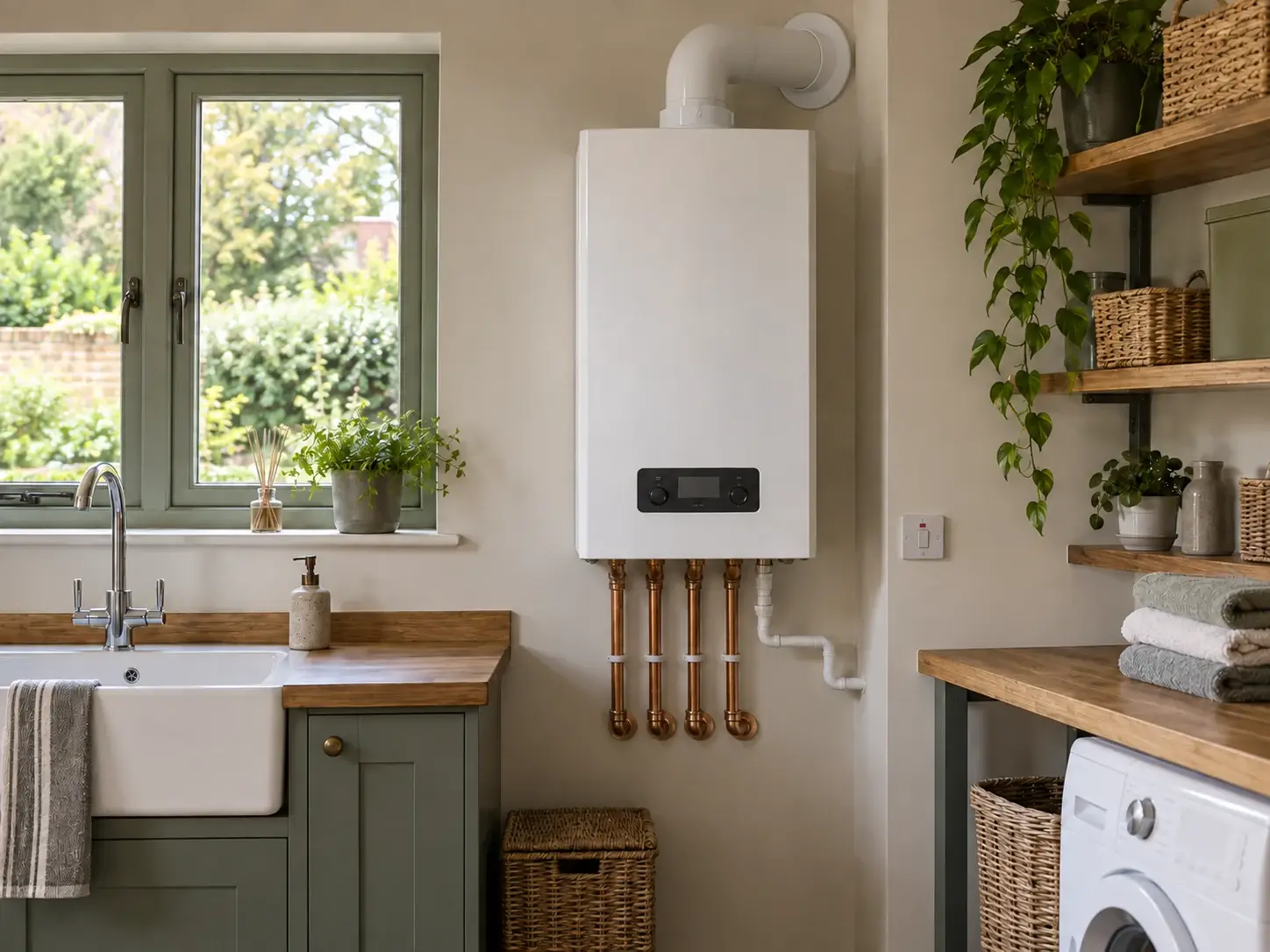
A plain white boiler on the wall of a utility room with copper pipes running down to the floor, beside an open corner cupboard holding a copper hot water cylinder in a grey insulating jacket.

Larger homes with old heating systems

Conventional boiler

Also known as β€œregular boilers” or β€œheat-only boilers”, a heat-only boiler has two separate tanks, allowing you to heat multiple rooms in your home and use your showers, kitchen taps, and other hot water sources simultaneously.

Β£2,500 to Β£4,500
89 to 91%
10 to 15 years
The official figures

Ideal for
  • Large homes
  • Multiple bathrooms
  • Low mains water pressure
  • Older properties in need of a central heating system upgrade
What you get
  • Works with older systems without a full redesign
  • Not reliant on mains pressure
  • Suits high hot water demand
What to weigh up
  • Needs both a cylinder and loft tanks
  • Takes up the most space
Side by side

How the boilers compareat a glance

Typical installed cost, efficiency and lifespan for each boiler type.
Type
Average cost
Efficiency
Lifespan
Combi boiler
Β£1,200 to Β£3,500
92 to 94%
10 to 15 years
System boiler
Β£1,250 to Β£4,000
85 to 92%
15 to 20 years
Conventional boiler
Β£2,500 to Β£4,500
89 to 91%
10 to 15 years

What a new boiler costs

Β£1,200 to Β£4,500+

Our market research shows that the average cost of a new boiler replacement (product + installation) can range from Β£1,200 to Β£4,500+.

Wall-mounted combi boiler with copper pipework in a utility room
What you get

What a new boiler can dofor your home

Slash energy bills

Up to Β£350 a year

Protect your wallet from rising prices. Replacing an old G-rated boiler with an A-rated condensing boiler and full heating controls could save a typical semi-detached home up to Β£350 a year (Energy Saving Trust, July 2026 prices).

Improve EPC rating

10 to 40 SAP points

Improve your EPC rating by 10 to 40 SAP points when you upgrade your non-condensing G-rated boiler to an A-rated condensing boiler.

Lower your carbon emissions

Fewer greenhouse gases

Modern condensing boilers produce fewer greenhouse gases, so you can heat your home more sustainably.

Increase energy efficiency

90% or higher

Most modern, energy-efficient boilers have an efficiency rating of 90% or higher, compared to old boilers at 55 to 82%. Get more warmth from every unit of fuel with less energy waste.

Lower running costs

Smart controls

Save money and energy with smart boilers that use intelligent controls to optimise your heating based on your daily routine, the weather, and your home's insulation.

More reliable heating

Up to 12 years

Modern boilers have extended warranties (sometimes up to 12 years) and are more durable than older boilers. Avoid costly, unexpected breakdowns and repairs.

Installer checks

Who fits your boilerand what we check

By law, anyone working on a gas boiler must be on the Gas Safe Register. We check that, and the other certifications this work needs.

What it checks

Gas Safe Register

By law, gas boiler companies must be on the Gas Safe Register. And, every engineer in the company must have an up-to-date gas safety competence certificate. Be confident that your installer meets strict legal requirements for health, safety and gas installation standards.

Visit the scheme's website
What it checks

OFTEC certified

The governing body for oil boiler installers is OFTEC. If you want an oil-fired boiler, you can be rest assured that your installer is trained and insured to safely install, service, replace, and repair your oil boiler.

Visit the scheme's website
What it checks

HETAS certified

HETAS governs the technical competence of engineers who install biomass boilers, ensuring that they possess specialised expertise and safety knowledge to the highest industry standards.

Visit the scheme's website
What it checks

MCS certified

The Microgeneration Certification Scheme (MCS) sets quality assurance benchmarks for solar PV installers in the UK. Our installers use MCS-approved solar systems and follow strict standards for technical, design, performance, and health and safety.

Visit the scheme's website
What it checks

NAPIT membership

A National Association of Professional Inspectors and Testers (NAPIT) membership indicates that renewable energy installers follow strict high standards of electrical safety and compliance.

Visit the scheme's website
What it checks

TrustMark accredited

TrustMark-accredited installers have been verified for compliance and trading standards ensuring the utmost financial protection for buyers. Be sure that the installers you talk to follow ethical, compliant business practices.

Visit the scheme's website
What it checks

HIES membership

Home Insulation & Energy Systems Quality Assured Contractors Scheme (HIES) provides customer protection for homeowners seeking home energy or renewable energy installations. It ensures that installers offer insurance-backed guarantees, deposit protection, and dispute resolution.

Visit the scheme's website
When you are ready

Get a free quote from one Gas Safe registered engineer

No never-ending phone calls.
No pushy sales people.
No pressure to decide right now.
Your details go to one installer, not a list.
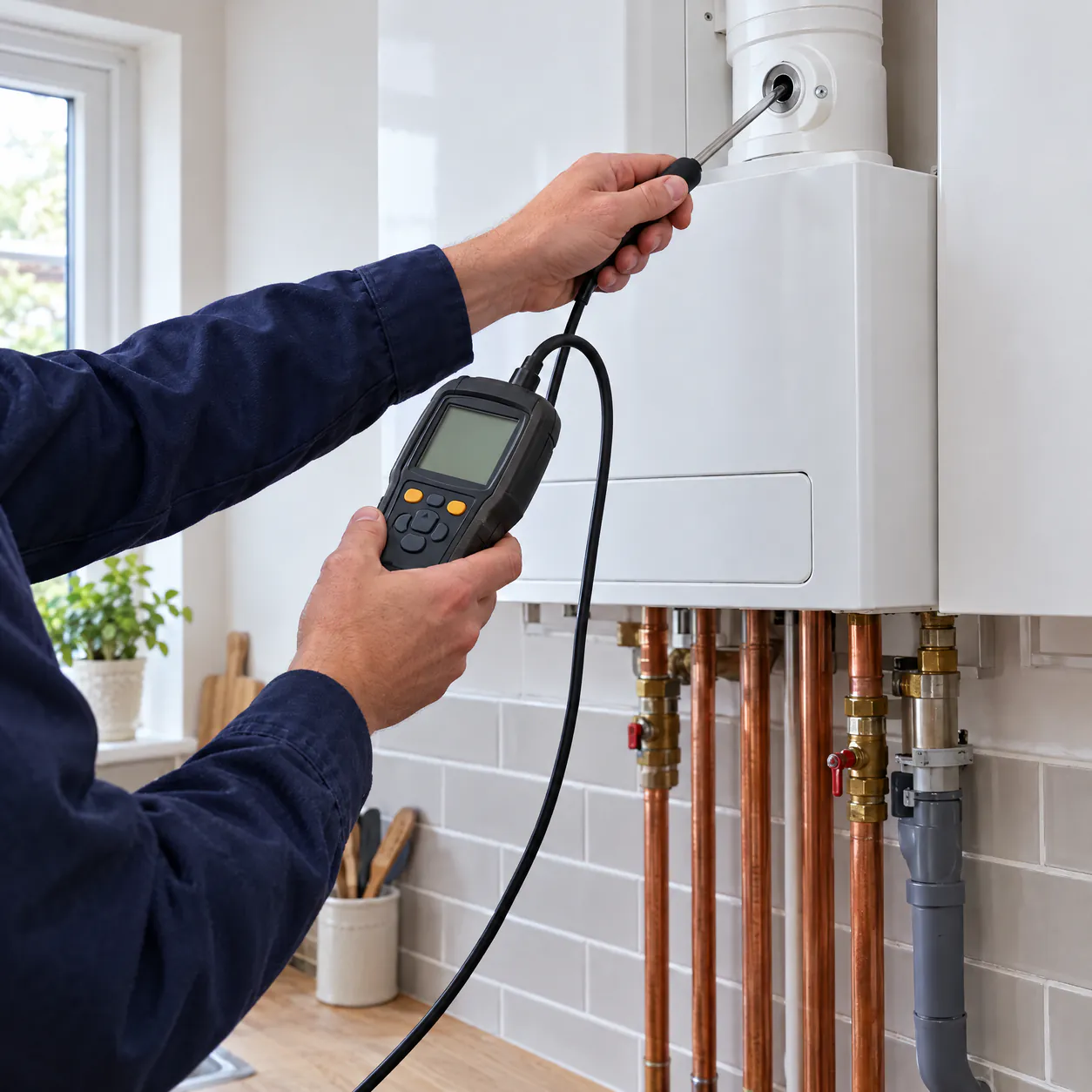
Heating engineer testing a newly installed boiler with a flue gas analyser

Ready to compare quotes for your home?

Compare free, no-obligation quotes from vetted, certified local installers.