Explainer
12 November 2026
From rising energy bills to breakdowns on cold days, there are plenty of reasons to upgrade your boiler. Our boiler guides, articles and advice help you choose the best boiler for yearly energy savings. Keep your home warm when you need it most.
£1,200 to £4,500
10 to 15 years
up to £350 a year

Up to £350 a year
10 to 40 SAP points
Fewer greenhouse gases
90% or higher
Smart controls
Up to 12 years
Choosing the best boiler for you starts by understanding your home: its size, its occupancy, and how much hot water and heating it needs to produce to meet your daily demands.
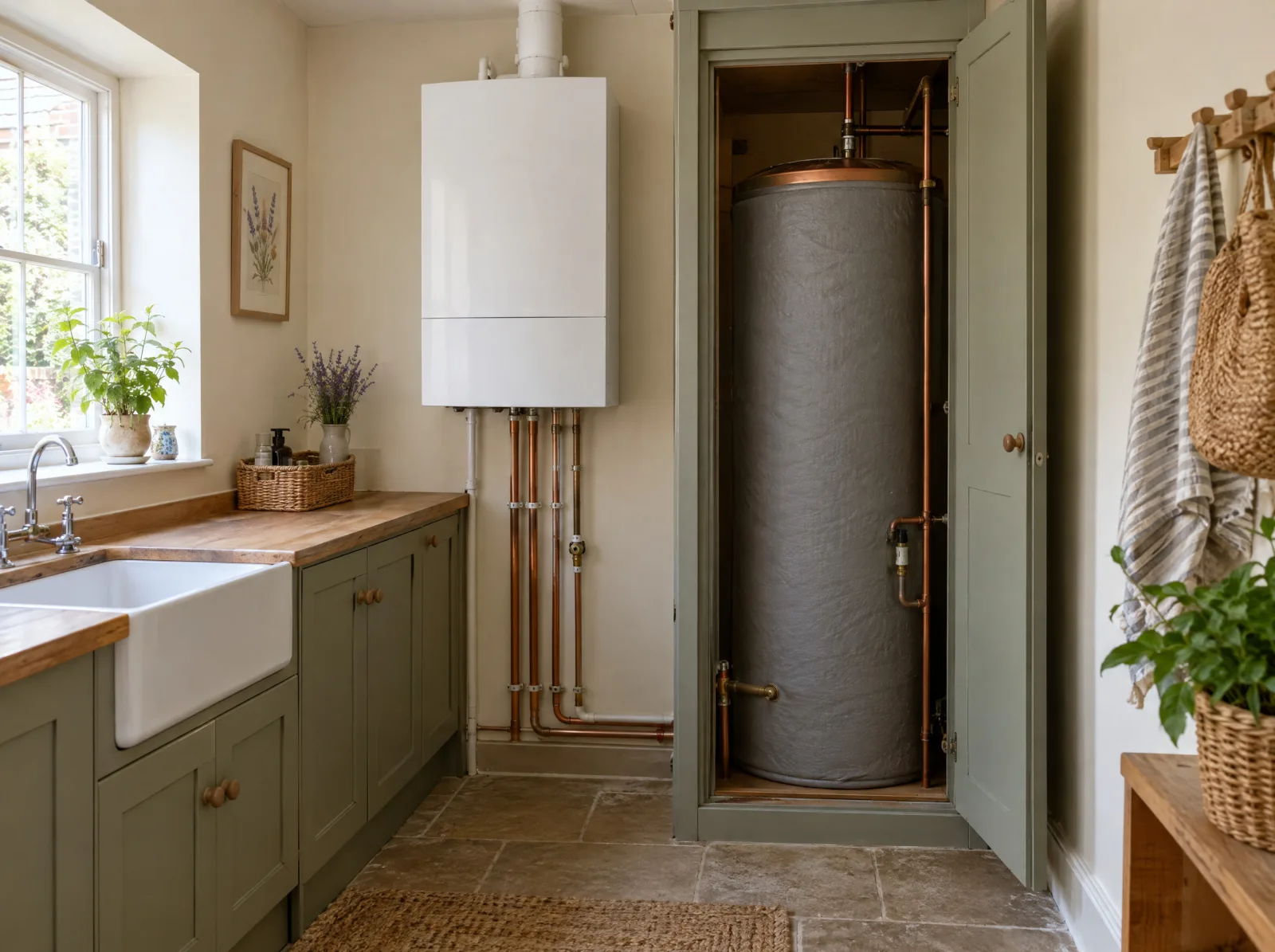
Also known as “regular boilers” or “heat-only boilers”, a heat-only boiler has two separate tanks, allowing you to heat multiple rooms in your home and use your showers, kitchen taps, and other hot water sources simultaneously.
£2,500 to £4,500
89 to 91%
10 to 15 years
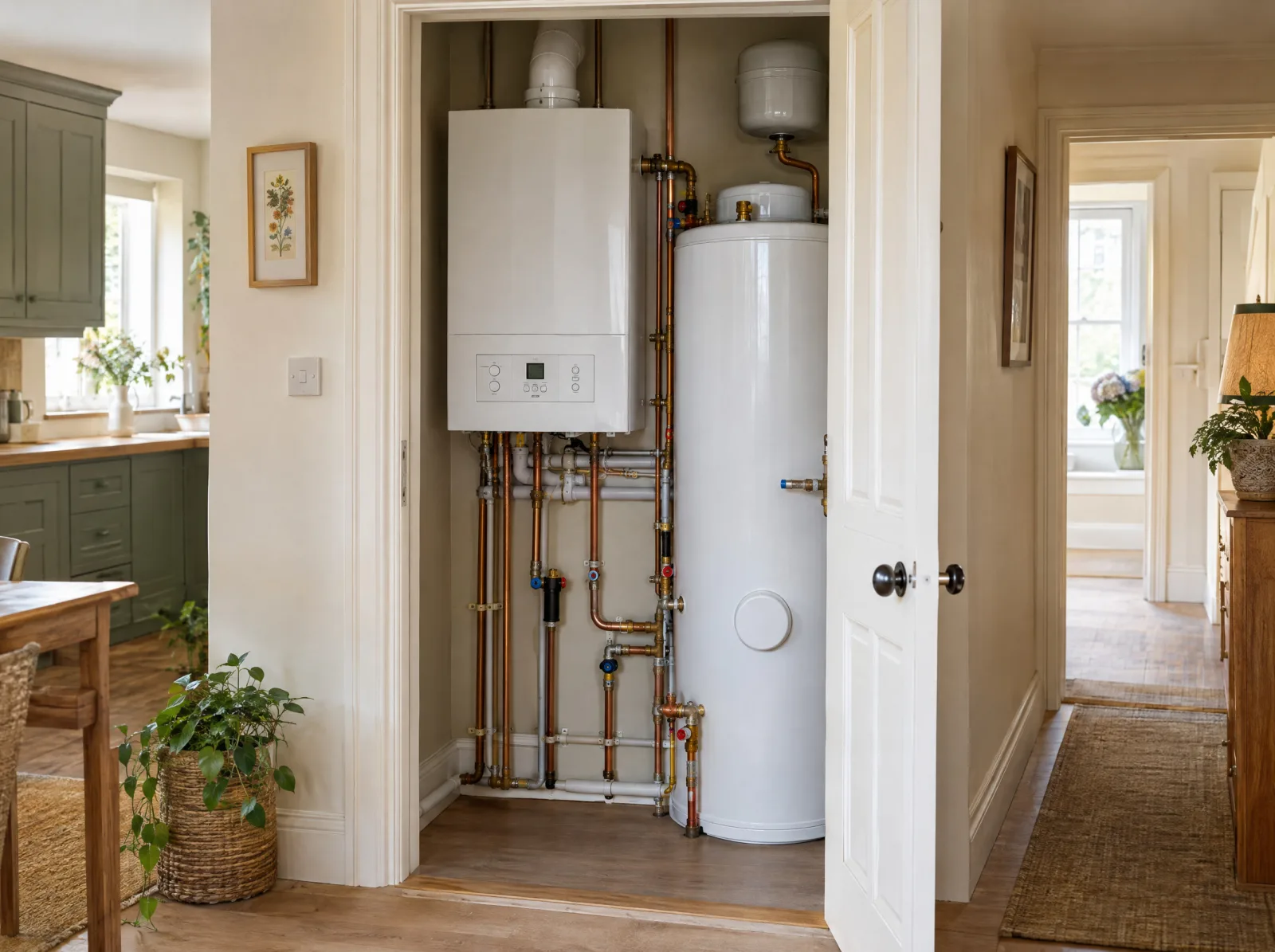
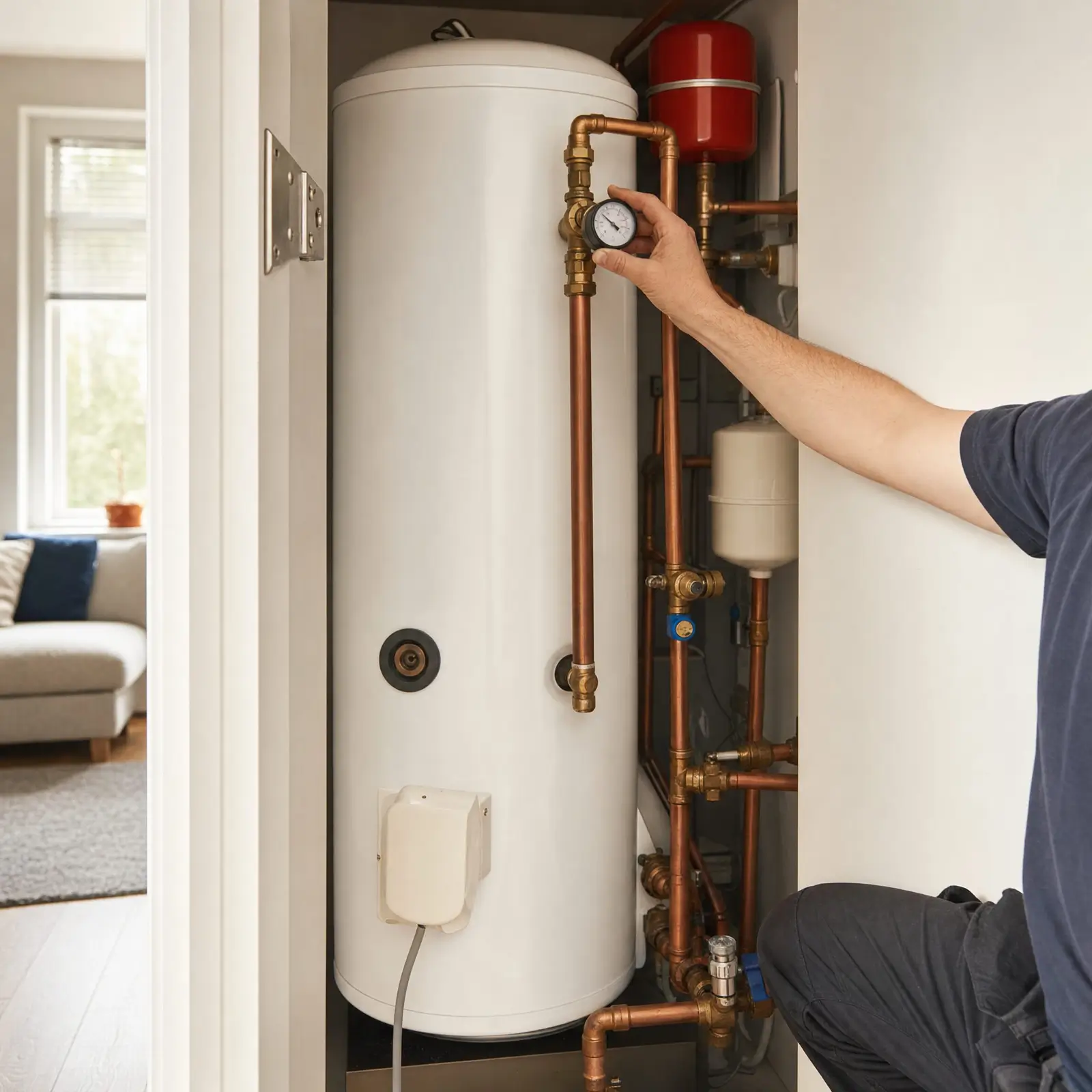
System boilers are compact and energy-efficient (like combi boilers) but have a storage tank (like regular boilers). They can deliver a constant supply of hot water to your taps, even when they’re running simultaneously.
£1,250 to £4,000
85 to 92%
15 to 20 years
Average cost
Efficiency
Lifespan
Our market research shows that the average cost of a new boiler replacement (product + installation) can range from £1,200 to £4,500+.
Average cost
It’s not just the type of boiler you choose that affects price, but everything from the model and size to the complexity of the job.
Across conventional, combi, and system boilers, there are a range of models to choose from at different price points. Budget-friendly models run from £600 to £1,100, standard mid-range models from £1,100 to £2,000, and premium models from £2,000 to £3,500+, excluding installation.
The more heating and hot water your household uses on a daily basis, the higher your kW output will need to be. Large households with lots of radiators, taps and showers may need a 35 to 40kW combi boiler. A small household with one bathroom and fewer than 10 radiators could get away with a 25kW combi boiler.
A like-for-like replacement is less labour-intensive than switching from, for example, a conventional boiler to a system boiler. And if you want to move your boiler’s location (e.g., from your loft to your kitchen), that will also drive up installation costs.
The best boilers come with smart, energy-efficient technologies like smart thermostats, programmers, and thermostatic radiator controls. This increases the initial cost but lowers energy waste, saving you money every month and shortening your payback period.
Moving between gas, oil, electric or biomass brings its own installation requirements. Changing fuel is always more involved than staying with what you already have.
London and the south east and south west run higher than the rest of the UK, mostly on labour rates rather than on the price of the boiler itself.
Winter is when boilers fail and when everyone wants one fitted. Demand pushes prices up and waiting times out, so replacing before the cold arrives usually costs less.

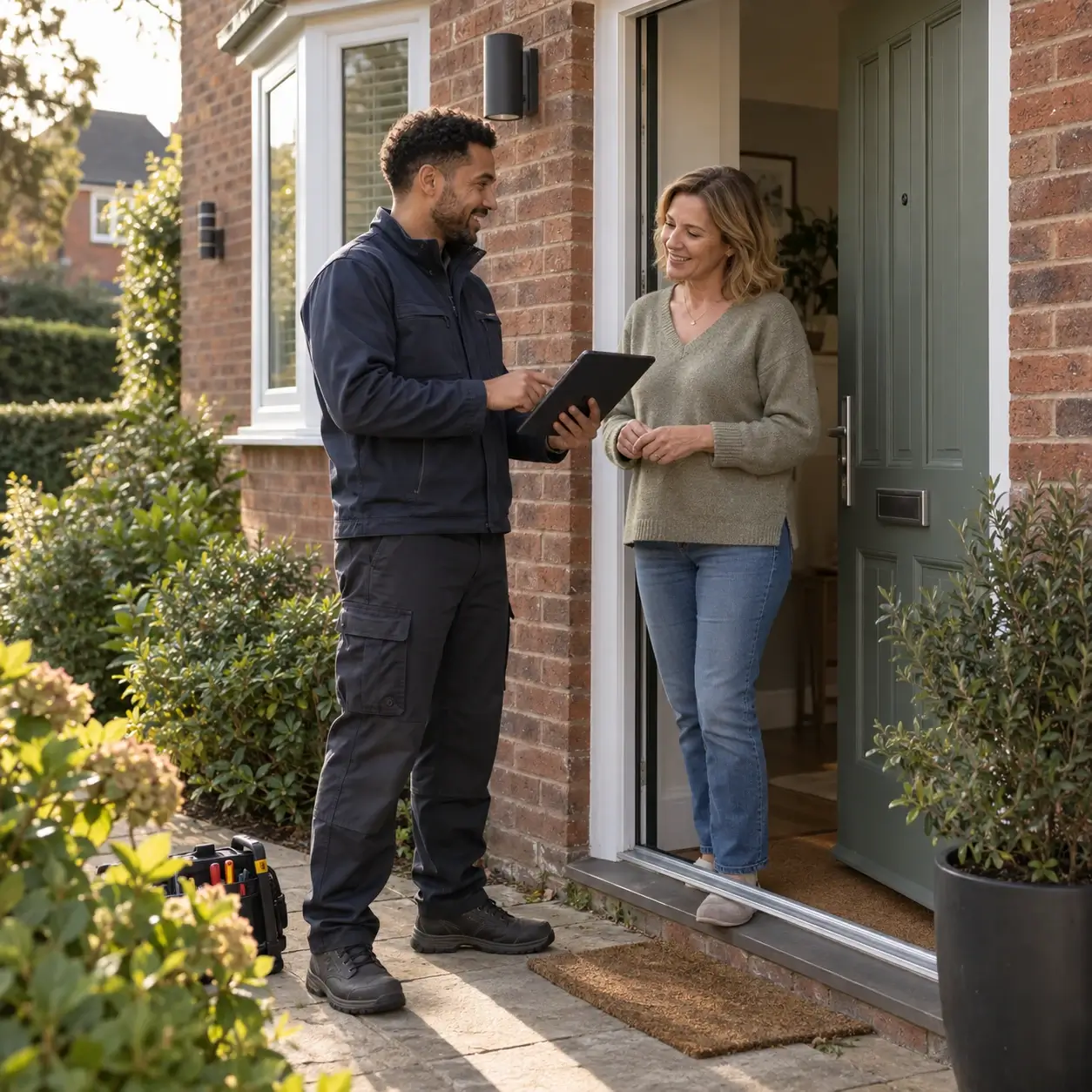

Every installer in our network is vetted to ensure they hold recognised certifications for the fuel type they work with including gas, oil and renewable energy. Only receive quotes from engineers who are Gas Safe registered and have proven credentials for the highest standards of quality, workmanship and compliance.
Gas boiler installs meet strict UK safety and quality regulations
By law, gas boiler companies must be on the Gas Safe Register. And, every engineer in the company must have an up-to-date gas safety competence certificate. Be confident that your installer meets strict legal requirements for health, safety and gas installation standards.
Oil boiler installs meet strict UK safety and quality regulations
The governing body for oil boiler installers is OFTEC. If you want an oil-fired boiler, you can be rest assured that your installer is trained and insured to safely install, service, replace, and repair your oil boiler.
Biomass boiler installs meet strict UK safety and quality regulations
HETAS governs the technical competence of engineers who install biomass boilers, ensuring that they possess specialised expertise and safety knowledge to the highest industry standards.
Quality installations
The Microgeneration Certification Scheme (MCS) sets quality assurance benchmarks for solar PV installers in the UK. Our installers use MCS-approved solar systems and follow strict standards for technical, design, performance, and health and safety.
Trusted electrical safety standards
A National Association of Professional Inspectors and Testers (NAPIT) membership indicates that renewable energy installers follow strict high standards of electrical safety and compliance.
Compliant business practices
TrustMark-accredited installers have been verified for compliance and trading standards ensuring the utmost financial protection for buyers. Be sure that the installers you talk to follow ethical, compliant business practices.
Customer protection
Home Insulation & Energy Systems Quality Assured Contractors Scheme (HIES) provides customer protection for homeowners seeking home energy or renewable energy installations. It ensures that installers offer insurance-backed guarantees, deposit protection, and dispute resolution.
Local installers across the UK
Yes. Ageing non-condensing boilers have low efficiency ratings, high CO2 outputs, are prone to breakdowns, and can even be a health and safety risk. By upgrading to a new, modern boiler, you can potentially reduce energy bills by 20 to 30%, all while keeping your home comfortably warm with less environmental impact.
Typically, it takes 1 to 3 days to install a new boiler. A like-for-like swap could take just a few hours, whereas a complete system and location switch-up could take several days. When you get a quote, the installer will be able to give you an accurate timeframe.
The best boiler for your home will depend on your home’s size, your typical energy use, how many bathrooms you have, and a few other factors. Check out our boiler buying guide to find the perfect fit based on your needs.
Yes. We supply free boiler quotes with no obligation to buy, so you can talk to an installer about your needs with no pressure.
Yes. Anyone working on a gas appliance in the UK must be on the Gas Safe Register by law. Ask to see the engineer's card before work starts, and check the registration on the Gas Safe Register website. Every installer we match you with is Gas Safe registered.
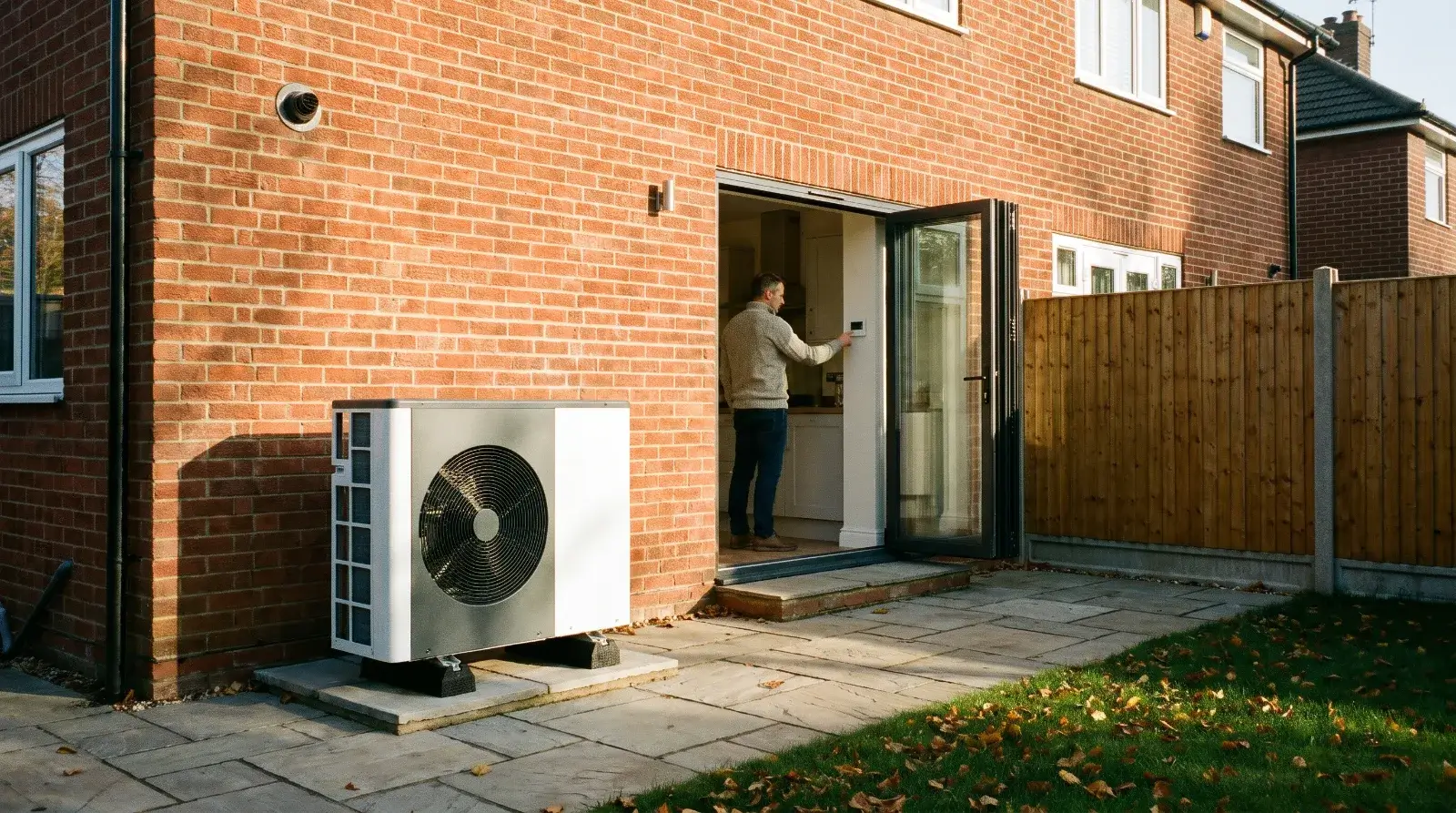
Looking for reliable boiler advice? Browse our collection of expert guides, energy-saving tips and helpful resources to help you choose, install and look after your new boiler with confidence.