Grants and funding

Window and Door Grants and Funding

New windows and doors make a home warmer, quieter and cheaper to run, but the bill is not a small one. Here is what support exists across the four UK nations, who each route reaches, and what to do if none of them reaches you.

All four nations checked
Checked against official sources
No cost to you
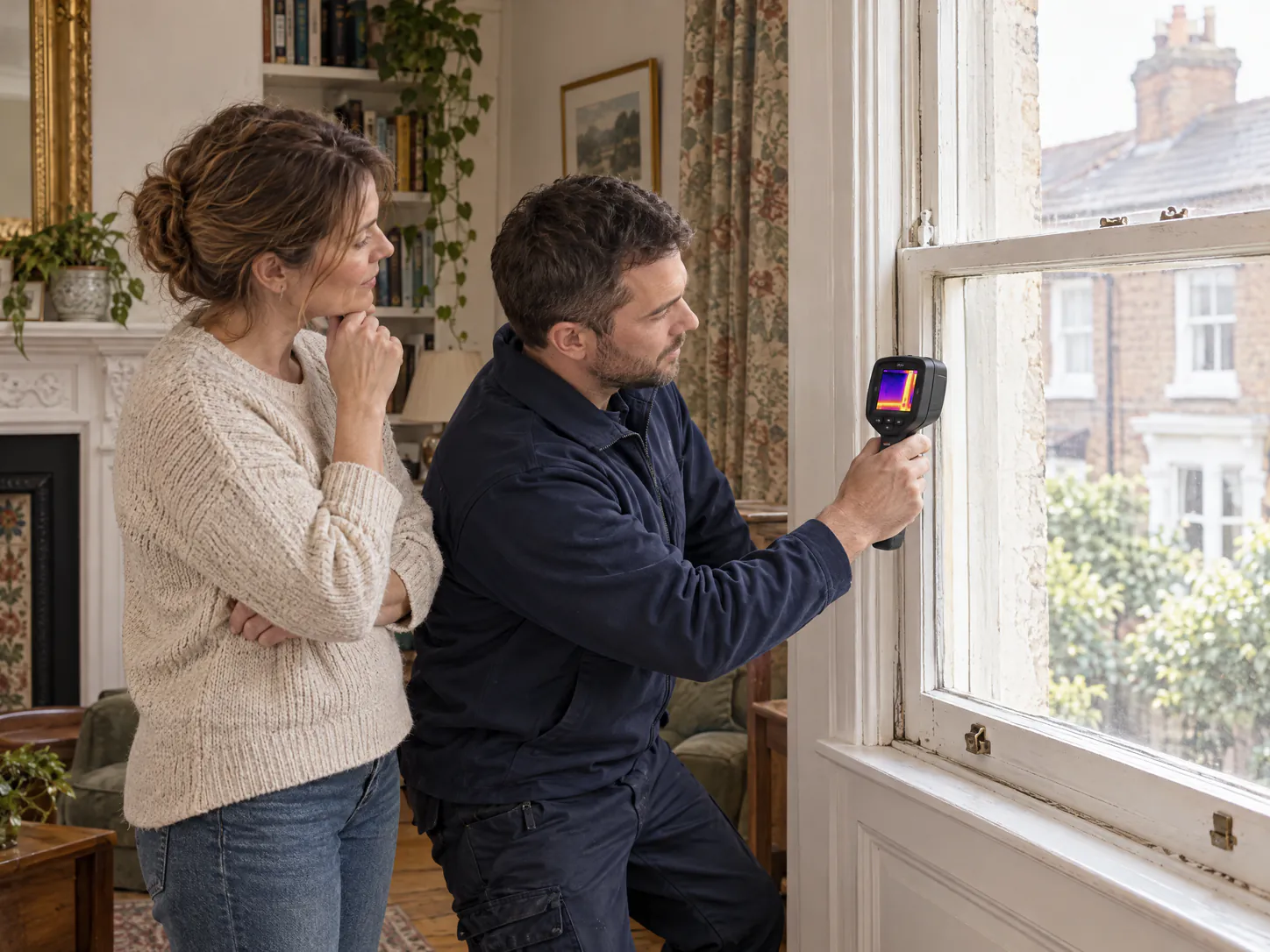
Assessor checking an old sash window with a thermal camera while the homeowner watches
Support that can help
All four nations

Every scheme on this page is checked against its official source.

Before you start

What is actually available

New windows and doors are among the most popular upgrades UK homeowners make, and among the more expensive. No fund is dedicated to glazing, but several wider home energy-efficiency programmes can pay towards it, usually where an assessor decides that single glazing or a draughty door would undermine the rest of the work. This page sets out what exists and how to check where you stand.

Key facts
  • There is no dedicated double-glazing grant in the UK. Glazing and draught-proofing are funded through wider home energy-efficiency schemes instead.
  • Eligibility usually comes down to your income, the benefits you receive, your home's EPC rating and which nation you live in.
  • Replacement glazing is charged at the standard rate of VAT, because the 0% relief does not cover new windows and doors.
Your options

Check what could help you

Pick where you live and tick what is true for you. The answer lists the schemes that can help there, and marks the ones with no means test.

Step 1 of 2

Where do you live?

Home energy support is run separately in each nation

Step 2 of 2

Which of these are true for you?

Tick as many as apply. Nothing is sent anywhere

You own your home, or rent privately with your landlord's permission

Almost every scheme is limited to owner-occupiers and private tenants. Council and housing association tenants go through their landlord instead.

You are on a means-tested benefit, or under your nation's income threshold

Universal Credit, Pension Credit, Income Support and income-based JSA or ESA all count. In England the income limit is £36,000 a year before tax, set nationally, and in Northern Ireland it is less than £23,000. Wales uses limits that depend on who lives with you, and Scotland uses benefits instead.

Your EPC is D or below, and a survey finds the glazing is the problem

Some schemes go further and specify E, F or G. Glazing is rarely funded on its own, so an assessor usually has to find that it would undermine the insulation or heating work.

Your answer

Pick where you live

The schemes that can help there will show here.

See every scheme in full

Every scheme is checked against its official source. A guide only: each scheme makes its own decision.

Grants, reliefs and payments

What support exists

Each card says where the scheme reaches, what it pays for and when it was last checked against its official source.

Filter by where you live
Grant
Open

Warm Homes: Local Grant

Government funding in England, delivered by your local council, for energy upgrades in lower income homes with an EPC rating of D to G.

What you get

Free energy saving improvements

For solar panels

A home battery is funded only when it is installed alongside solar panels.

For insulation

For boilers

For heating, heat pumps and other low carbon heating only. It does not pay for gas, oil or other fossil fuel boilers.

For windows and doors

Double or triple glazing and energy efficient doors, where your home survey recommends them.

Where it reaches
England
26 September 2026
31 March 2028
1 April 2025
Official site

It can pay for insulation, glazing, solar panels, batteries and heat pumps, and homeowners pay nothing. Private landlords pay half after their first property. It is due to run until March 2028.

Who qualifies

  • You own your home or rent it from a private landlord in England, and it has an EPC rating of D, E, F or G
  • Your household income is usually £36,000 a year or less before tax, or someone in your home gets Universal Credit, Pension Credit, Housing Benefit, Income Support, income-based JSA or income-related ESA
  • If your income is higher, you may still qualify if you live in an eligible postcode area or your income after housing costs is below the limit for your household

What it covers

  • Insulation, draught proofing, heating controls, double or triple glazing and energy efficient doors, where your home survey recommends them
  • Solar panels, and a home battery where it is installed alongside solar
  • Heat pumps and other low carbon heating. It does not pay for gas, oil or other fossil fuel boilers

How to apply

  • Check your eligibility and apply through the GOV.UK service, or call the helpline on 0800 098 7950
  • Your council usually contacts you within 10 working days and arranges a home survey
  • Homeowners and tenants pay nothing for the agreed work. Landlords pay half the cost for each home after their first
Supplier obligation
Closing soon

Energy Company Obligation (ECO4)

An obligation on larger energy suppliers to fund insulation and heating upgrades for lower income and vulnerable households in England, Scotland and Wales.

What you get

For solar panels

Solar panels only where the home is heated by a heat pump or qualifying electric heating, or gets one in the same project.

For insulation

For boilers

Heating upgrades can include repairing or replacing a boiler.

For windows and doors

Replacement glazing and high performance external doors are eligible measures.

Where it reaches
England
Scotland
Wales
26 September 2026
31 December 2026
Official site

It is not a grant: suppliers choose what to fund and you may pay part of the cost. It ends on 31 December 2026 and no replacement obligation is planned.

Who qualifies

  • Someone in your home gets a qualifying benefit, such as Universal Credit, Pension Credit, Child Benefit, Housing Benefit, Income Support, income-based JSA or income-related ESA
  • Or your council refers you through ECO4 Flex, for example with a household income under £31,000 or a health condition made worse by a cold home
  • Homeowners need an EPC rating of D to G. Private tenants need E to G and their landlord’s permission

What it covers

  • Insulation, such as loft, cavity wall and solid wall insulation, plus replacement glazing and high performance external doors
  • Heating upgrades, including repairing or replacing a boiler
  • Solar panels, but only where the home is heated by a heat pump or qualifying electric heating, or gets one in the same project

How to apply

  • Contact any energy supplier taking part in ECO4, even if it is not your own supplier, or ask your council whether it can refer you
  • Suppliers choose what they fund and you may be asked to pay towards the work, so only agree once you have a contract
  • If an installer contacts you out of the blue, check the offer with your council or the supplier they say they represent
Grant
Open

Warmer Homes Scotland

The Scottish Government’s national fuel poverty scheme, delivered by Warmworks.

What you get

Support worth £10,000 or more

For solar panels

For insulation

For boilers

For windows and doors

For windows and doors, it pays for draught-proofing rather than new glazing.

Where it reaches
Scotland
26 September 2026
Official site

If someone at home gets a qualifying benefit, is 75 or over with no working heating, or is terminally ill, you could get improvements worth £10,000 or more, usually free. A survey decides what you get, from insulation to a new boiler, heat pump or solar panels.

Who qualifies

  • You own your home or rent it from a private landlord, it is your main home, and you have lived there for at least six months, unless someone has an SR1, DS1500 or BASRiS terminal illness form
  • Someone in your household gets a qualifying benefit, such as Universal Credit, Pension Credit Guarantee, Council Tax Reduction, Adult Disability Payment or Scottish Child Payment, or is 75 or over with no working heating, or has a DS1500 or BASRiS certificate
  • Your home has a poor energy rating, which Warmworks checks, is in council tax band A to G, is 230 square metres or smaller and meets the tolerable standard

What it covers

  • Wall and loft insulation, and draught-proofing of windows and doors
  • Central heating, such as a new gas boiler, an air source heat pump or electric storage heaters, with clean heating offered first where it suits the home and would not raise bills
  • A home renewables system, which can include solar panels and battery storage, where the survey recommends it. In most cases the Scottish Government meets all the costs

How to apply

  • Check with the self-assessment tool on the Home Energy Scotland website, then call free on 0808 808 2282 or use the contact form
  • If you look eligible, Home Energy Scotland books a home survey and refers you to Warmworks, which delivers the scheme
  • A Warmworks assessor confirms eligibility and recommends the improvements. Private tenants need their landlord’s permission, and work you have already had done cannot be funded
Grant
Open

Home Energy Scotland Grant and Loan

Scottish Government funding for people who own and live in their home, with no need to be on benefits.

What you get

Up to £15,000 as a grant

For solar panels

For solar, only hybrid PV-T panels, as an interest-free loan of up to £5,000. Standard panels and batteries are not funded.

For insulation

For insulation, a grant of up to 75% of the cost, up to £7,500, with the rest available as a loan.

For boilers

For heating, it funds heat pumps. Gas and oil boilers are not covered.

For windows and doors

For windows and doors, it is a loan only: up to £8,000 for glazing and £4,500 for insulated doors.

Where it reaches
Scotland
26 September 2026
Official site

It offers grants for heat pumps and insulation, with extra for rural and island homes, plus an optional interest-free loan. Glazing, insulated doors and hybrid PV-T solar panels are loan only. Standard solar panels and batteries are not funded.

Who qualifies

  • You own your home in Scotland and live in it as your only or main home. Holiday homes, second homes, homes owned by a business and self-builds do not qualify
  • You do not need to be on benefits, but any loan depends on credit and affordability checks
  • Insulation, glazing and doors must be recommended on your Energy Performance Certificate, while heat pumps and other renewables do not need one

What it covers

  • Heat pumps and heat network connections: a grant of up to £7,500, or £9,000 in eligible rural and island areas, plus an optional interest-free loan of up to £7,500 more. Gas and oil boilers are not on the list
  • Insulation: a grant of up to 75% of the cost, up to £7,500 in total or £9,000 in eligible rural and island areas, with the rest available as an interest-free loan
  • Loan only: glazing replacing single glazing, up to £8,000, insulated doors up to £4,500, and hybrid PV-T solar panels up to £5,000. Standard solar panels and batteries are not funded

How to apply

  • Call Home Energy Scotland free on 0808 808 2282, Monday to Friday 8am to 8pm and Saturday 9am to 5pm, or use its contact form
  • An adviser checks your options and emails you a link to the online application, usually within two working days. You will need itemised installer quotes, and an EPC for insulation, glazing or doors
  • Do not start work until you have a written offer. You then have nine months to install and claim, and funding is first come, first served within each financial year
Grant
Open

Warm Homes Nest Scheme

The Welsh Government’s Nest scheme gives free home energy improvements to lower-income homeowners and private renters in Wales whose home has a poor energy rating.

What you get

Free home energy improvements

For solar panels

For insulation

For boilers

A boiler is repaired or replaced mainly where a home has no heating or hot water.

For windows and doors

Windows and doors can be part of a package after a whole-house assessment.

Where it reaches
Wales
26 September 2026
Official site

After a home assessment, a package can include insulation, a heat pump, solar panels, windows and doors, or a boiler repair or replacement. Free energy advice is open to every household.

Who qualifies

  • You own your home or rent it privately in Wales. Council and housing association tenants cannot apply
  • You get a means-tested benefit such as Universal Credit, Pension Credit or income-related Council Tax Reduction, or your household income after mortgage or rent is below the Nest threshold for your household. The threshold is £15,521 a year for a single adult and £23,166 for a couple with no children
  • Your home’s EPC rating is 54 (E) or lower, or 68 (D) or lower if someone at home has an eligible health condition, such as a respiratory, circulatory or mental health condition

What it covers

  • A free package designed after a whole-house assessment. It can include insulation, a heat pump, solar panels, and windows and doors
  • A boiler or electric storage heater repair or replacement, particularly where a home has no heating or hot water
  • Free, impartial energy advice for every household in Wales, whether or not you qualify for improvements

How to apply

  • Call Nest free on 0808 808 2244, Monday to Friday, 9am to 6pm, or request a callback online
  • If you are eligible, an assessor visits to survey your home and recommend a tailored package
  • Have evidence ready: proof of ownership or your landlord’s details, a benefit letter or income details, and proof of any health condition
Grant
Open

Affordable Warmth Scheme

The Housing Executive’s grant for households in Northern Ireland with a gross income under £23,000 who own their home or rent privately.

What you get

Up to £7,500

For solar panels

For insulation

For boilers

It replaces a boiler only if it is at least 15 years old and the householder meets an age or benefit test.

For windows and doors

It replaces single glazed windows only, after insulation and heating.

Where it reaches
Northern Ireland
26 September 2026
Official site

A technical officer decides which insulation, heating and window upgrades your home needs, and grants reach up to £7,500, or £10,000 where solid wall insulation is needed. A new Warm Healthy Homes Fund will replace it, with no start date announced yet.

Who qualifies

  • You live in Northern Ireland and own the home you live in, or rent from a private landlord. Housing Executive and housing association tenants cannot apply
  • Your total household income is less than £23,000 a year before tax
  • For a boiler replacement, the boiler must be at least 15 years old, and the householder must be over 65, have a child receiving Child Benefit or Kinship payments, or get DLA, PIP, Attendance Allowance or Industrial Injuries Benefit

What it covers

  • Insulation first: loft insulation up to 300mm, cavity wall insulation, and draught proofing for doors and windows
  • Then heating: gas or oil central heating in place of solid fuel, LPG or Economy 7, or a boiler replacement that meets the rules. After that, replacing single glazed windows, and solid wall insulation for detached homes
  • Up to £7,500, or £10,000 with solid wall insulation. You should not have to contribute, but a private landlord must pay half the cost

How to apply

  • Contact the NI Energy Advice Service on 0800 111 44 55 or at NIenergyadvice@nihe.gov.uk
  • If you meet the entry rules, you are sent a form. Return it to your local Housing Executive grant office with proof of ownership or tenancy, residence and income
  • A technical officer inspects your home. Do not start work until you have written approval, and expect to finish within three months
All four nations

Where you live changes the answer

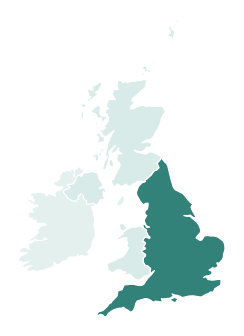
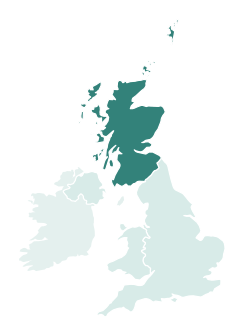
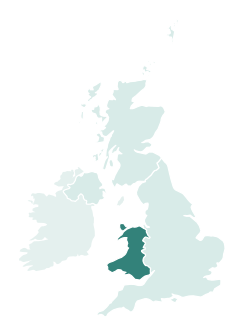
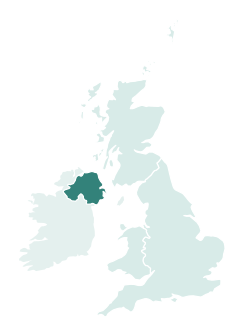
Home energy support is devolved, so the four nations run different schemes.

Scheme
England
Scotland
Wales
Northern Ireland
Warm Homes: Local GrantGrant
AvailableNot available
Not available
Not available
Not available
Energy Company Obligation (ECO4)Supplier obligation
AvailableNot available
Not available
Warmer Homes ScotlandGrant
Not available
AvailableNot available
Not available
Not available
Home Energy Scotland Grant and LoanGrant
Not available
AvailableNot available
Not available
Not available
Warm Homes Nest SchemeGrant
Not available
Not available
AvailableNot available
Not available
Affordable Warmth SchemeGrant
Not available
Not available
Not available
AvailableNot available

Which schemes reach each UK nation. Each scheme above carries the date it was last checked against its official source.

Watch out for

What these schemes do not cover

Some of the most repeated claims about these grants are wrong. These are the ones worth knowing before you apply.

There is no dedicated double-glazing grant. Adverts promising free windows are describing means-tested energy-efficiency schemes that fund glazing only sometimes, as part of a wider package, and only where an assessor agrees it is needed.

The Boiler Upgrade Scheme does not fund windows or doors. It pays towards a heat pump or a biomass boiler, and nothing else.

0% VAT does not apply to replacement glazing. The relief covers insulation, solar, heat pumps and draught-proofing materials, but not new windows and doors, so expect VAT at the standard rate on a glazing quote.

The Green Homes Grant no longer exists. It closed in March 2021 and there is no like-for-like successor, though pages describing it are still online.

A legitimate scheme will never require you to take out finance as a condition of applying. If someone tells you it does, it is not a grant.

An energy adviser going through a letter with an older homeowner at her kitchen table

How to spot a scam

  • Take a moment to stop, think and check whenever someone approaches you about free or funded work, whether by phone, text or at the door.
  • Check a scheme on its official site before you agree to anything. Every scheme on this page links to one.
  • A legitimate scheme will never require you to take out finance as a condition of applying.

Report a scam to Report Fraud on 0300 123 2040, or to Police Scotland on 101. Forward a suspicious text to 7726.

Read the government’s fraud advice
The process

How to apply

The routes differ by scheme, and each scheme above says which applies. These steps are what almost every application asks of you, in the order it asks.

  1. Check your EPC rating. Most schemes specify D or below. You can look yours up free on the government EPC register, and if you have never had one, that is worth sorting first.
  2. Gather your proof of eligibility. Payslips, benefit statements and a rough household income figure. Have them ready before you start rather than halfway through.
  3. Contact the right body for your nation. A local council, an energy supplier, or a national advice line. There is no single central application service.
  4. Have the home assessment. This matters more for glazing than for any other measure. Windows and doors are rarely a headline item, so it is the assessor who decides whether new glazing or draught-proofing goes in alongside the insulation and heating work.
  5. Get quotes either way. Funded or not, comparing quotes from FENSA or Certass registered installers is what decides your final price.
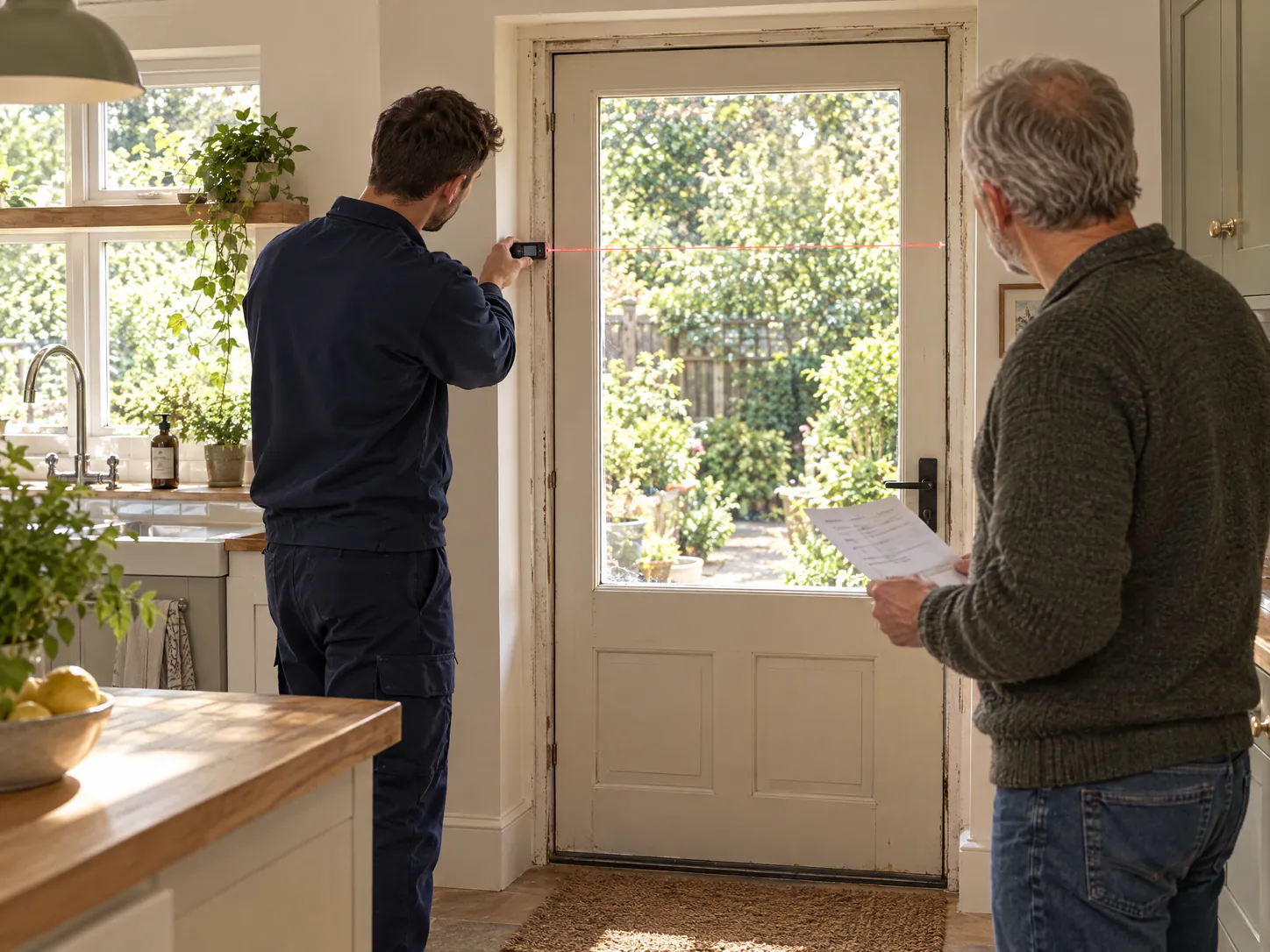
A woman checking her home’s energy rating on a laptop at the kitchen tableHousehold paperwork, a ring binder and reading glasses laid out on a kitchen tableA man on the phone taking notes at a desk by the windowA surveyor measuring a back door while the homeowner looks onThe back of a brick home with new sliding glass doors onto the garden
The common case

If none of these apply to you

Most households will not qualify, and that is normal rather than a dead end. Replacement glazing does not attract the 0% VAT relief that insulation and solar do, so the saving here comes from how you buy: pair the work with insulation, get a free assessment first, and compare quotes from FENSA or Certass registered installers.

A couple planning costs at a dining table with a laptop and a notebook

Other ways to save

Bundle the work with insulation

Doing loft, cavity wall or floor insulation around the same time as new glazing cuts heat loss further and often makes the whole project cheaper per room, even where the two are funded separately.

Pair it with a zero-rated measure

Insulation, solar panels and heat pumps are zero-rated for VAT until 31 March 2027. Replacement glazing is not, but booking qualifying work at the same time brings the cost of the overall project down.

Consider solar alongside glazing

New windows cut what your home loses and panels cut what it buys, so the two compound. Some installers also discount when both jobs are booked together.

Start with a free assessment

Many of the grant routes include an EPC or retrofit assessment. It tells you which upgrade actually saves you the most, so you are not spending on the wrong measure first.

FENSA-approved installers

Replacement glazing has to be signed off under building regulations, and a FENSA or Certass registered installer issues that certificate themselves. Without one you pay a council fee to certify the work later, and a buyer's solicitor will ask for it.

In short

Where that leaves you

There is no dedicated free windows grant right now, but schemes are running across all four nations that can fund glazing and draught-proofing for low-income and vulnerable households, usually as part of a wider upgrade rather than on their own. Rules and availability change often, so confirm eligibility and closing dates directly before you apply.

If a grant is not available to you, the total may still be less than you expect. Read our breakdown of what new windows and doors cost, or let us match you with a FENSA-approved installer for a free, no-obligation quote.

Free, no obligation

See what new windows and doors would cost

Enter your postcode and we will match you with FENSA-approved installers for free, no-obligation quotes.

01

Tell us a few details

Answer a few quick questions about your home, the upgrade you want and your postcode. It takes about two minutes, and it’s free.
02

Match with a local installer

We match you with one local installer, checked for the right accreditation, so you only hear from someone who can do the job properly.
03

Get your quote directly

Receive your quote, ask any questions, then choose it or compare it with other quotes you already have. No pressure, and you stay in control.
https://app.leadform.io/f/windowsanddoors-bxylfo?embed=1
Loading your quote form

We pass your details to one vetted local installer, so they can contact you with a quote. Our privacy policy explains how we use your data.

Free, with no obligation
FENSA-approved installers
Accredited installers, which most schemes require
Installers can tell you which schemes they work with
FAQs

Questions about grants

A homeowner reading on a phone with a cup of tea on a window seat

Still have a question?

Browse every answer in the help centre, grouped by topic.

Can I get grants for insulation?

If you qualify, yes. In England, the Warm Homes: Local Grant pays for the insulation your home survey recommends, and homeowners pay nothing for the agreed work. Scotland, Wales and Northern Ireland run their own schemes, set out on our insulation grants page.

insulation

Can you get a grant for new windows or doors?

There is no dedicated grant, but some wider schemes can pay for glazing and doors as part of a package, such as the Warm Homes: Local Grant in England where your home survey recommends them. Replacement windows and doors are charged at 20% VAT.

windows-doors

Can I get a grant for solar panels?

Some households can. In England, the Warm Homes: Local Grant can fit solar panels at no cost where a home survey recommends them and your household qualifies. Most funded schemes are means-tested, and Northern Ireland has no standalone solar grant.

solar-panels

Is VAT charged on new windows and doors?

Yes, at the standard 20% rate, including double and secondary glazing. Only draught stripping fitted around existing windows and doors is zero-rated, until 31 March 2027.

windows-doors

Does replacing windows need building regulations sign-off?

Yes. Replacement windows and doors have to meet Building Regulations. In practice the work is self-certified by an installer registered with a competent person scheme such as FENSA, who then issues a certificate. Keep that certificate, because a buyer's solicitor will ask for it when you sell.

windows-doors

Do I have to pay a grant back?

No. A grant is not a loan. Under the Warm Homes: Local Grant, homeowners and tenants pay nothing for the work the council agrees with them. Where a scheme offers a loan as well, the loan is paid back.

solar-panels

Can I get a grant if I rent my home?

Often, if you rent privately. The Warm Homes: Local Grant covers privately rented homes in England, with the landlord paying half the cost for each home after their first, and ECO4 needs your landlord’s permission. Council and housing association tenants are usually covered by their landlord’s own programme.

insulation

Can I still get paid for the electricity I export?

Yes, in England, Scotland and Wales. Under the Smart Export Guarantee, suppliers with at least 150,000 domestic customers must offer an export tariff. Each sets its own rate, which must always be above zero, and your system needs an MCS certificate.

solar-panels

Do I need an EPC to apply?

Usually. Most funded schemes look at your Energy Performance Certificate rating, often D or below, and you can look yours up free on the government EPC register. If you have never had one, that is worth sorting first.

insulation

Is there a grant for a new gas boiler?

Not for everyone. The Boiler Upgrade Scheme never pays for a gas, oil or LPG boiler, and the Warm Homes: Local Grant does not fund fossil fuel boilers. Some means-tested schemes can replace a boiler, such as ECO4 until 31 December 2026 and Warmer Homes Scotland.

boilers

Is VAT charged on a new boiler?

Yes. New gas, oil and electric boilers are charged at 20% VAT. Heat pumps and wood-fuelled boilers installed in your home are zero-rated until 31 March 2027, and a grant-funded heating job can carry 5% if you are 60 or over or get certain benefits.

boilers

Can I get a grant for a heat pump?

In England and Wales, the Boiler Upgrade Scheme gives £7,500 towards an air source or ground source heat pump, with no means test. Your MCS certified installer applies for you and takes the grant off your bill.

boilers
No items found.
Read next

Guides that go deeper

Longer reads on applying for support, and on what the work itself involves.

See all guides
Sources

Every scheme on this page was checked against its official source on 26 September 2026. Payouts, eligibility and deadlines change: always check the official website before you apply.

About these schemes

Schemes change often, so check the official site before you apply. Eco Solutions Studio does not run any of these schemes, and does not provide, arrange or broker credit.

Ready to compare quotes for your home?

Compare free, no-obligation quotes from vetted, certified local installers.