
How-to
12 November 2026
Replacement windows and doors could cost you a few hundred pounds each, or several thousand for a large bay window or a bi-fold set. Your own quotes will vary with the number of windows, the frame material and the glazing specified.
The average cost of a single new double-glazed window is around £1,000 supplied and installed, with a typical range of £500 to £1,800 per window.
£500 to £1,800 per window
20 to 30 years
£85 a year
A quote is driven by how many windows you need and what the frames are made of, so this takes two answers. Every figure is a published range, not a personalised quote.
This sets how many windows you are pricing
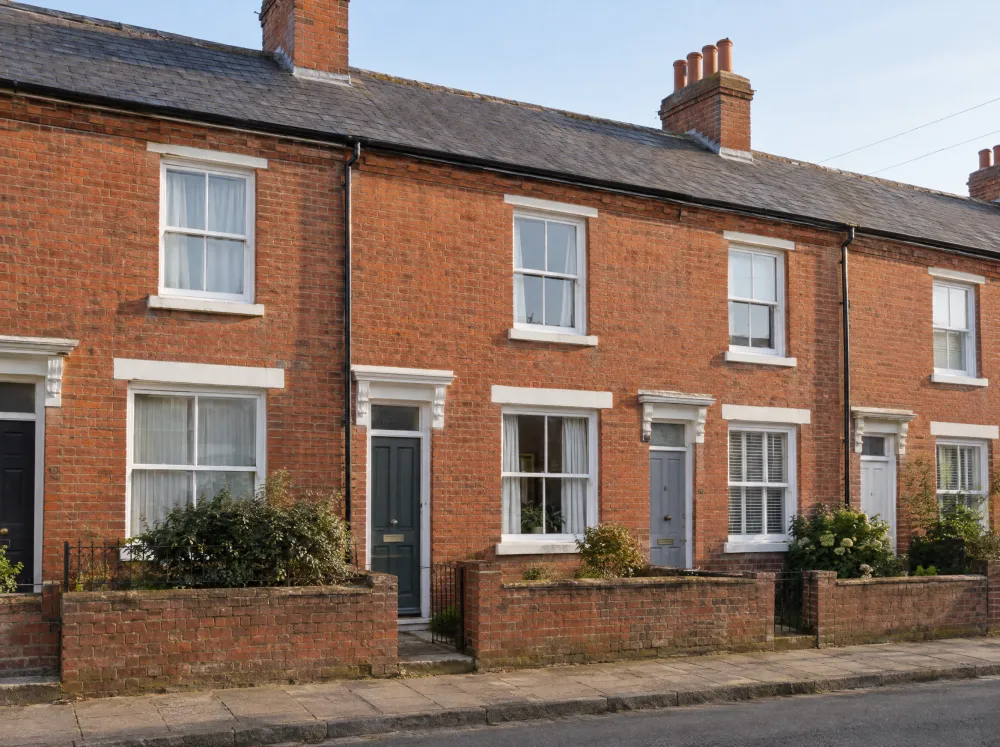
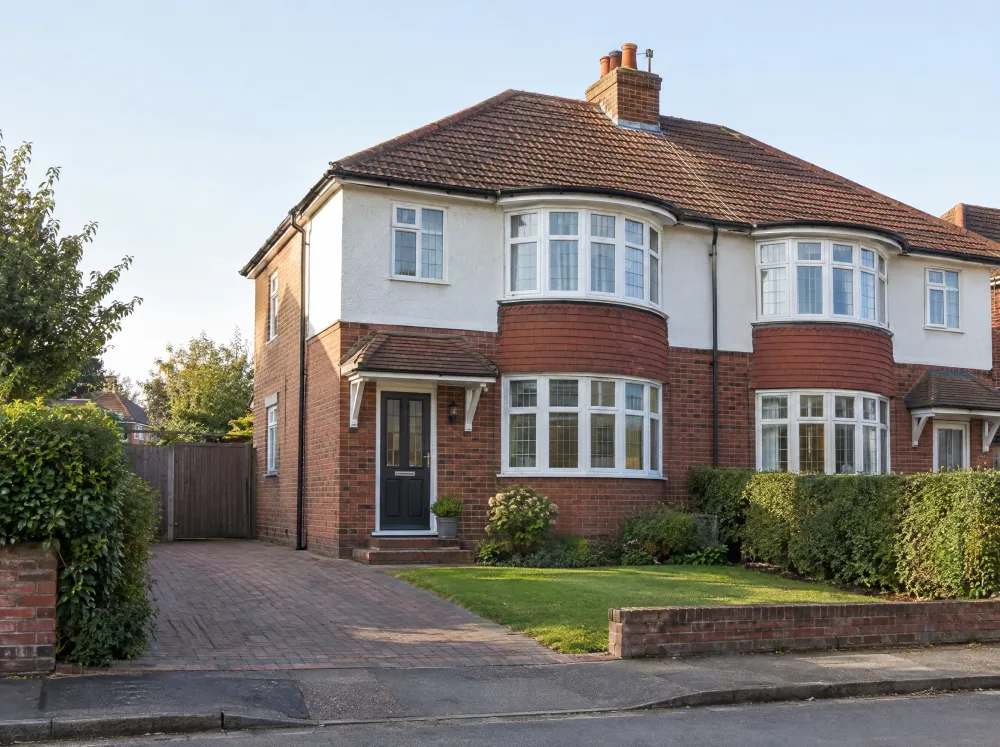
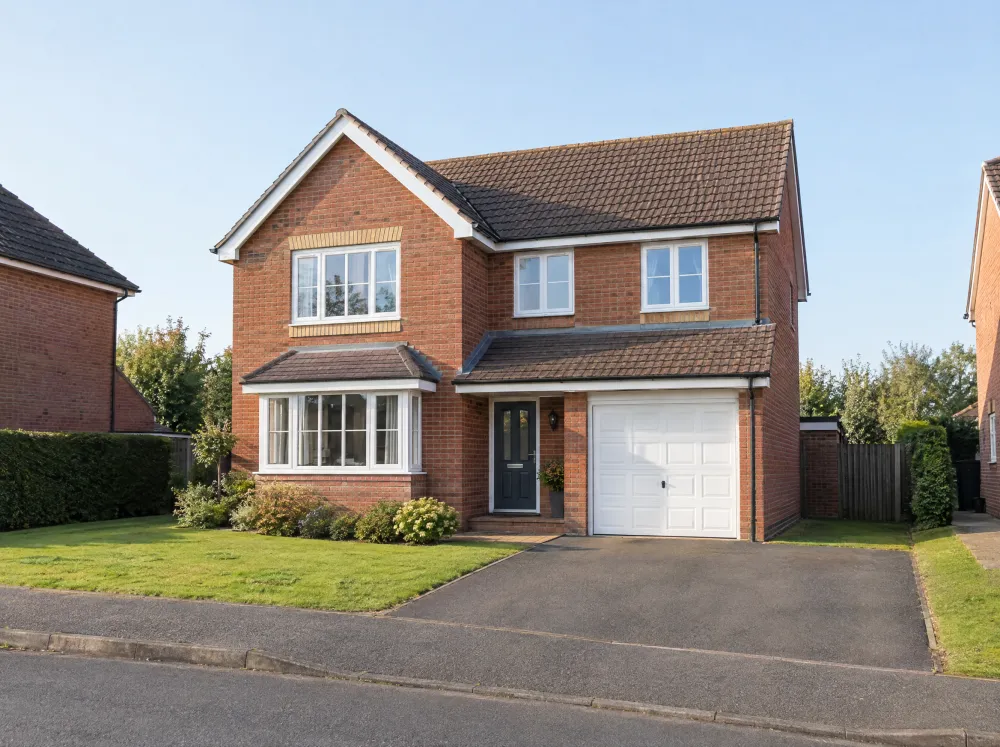
The per-window and per-door prices follow
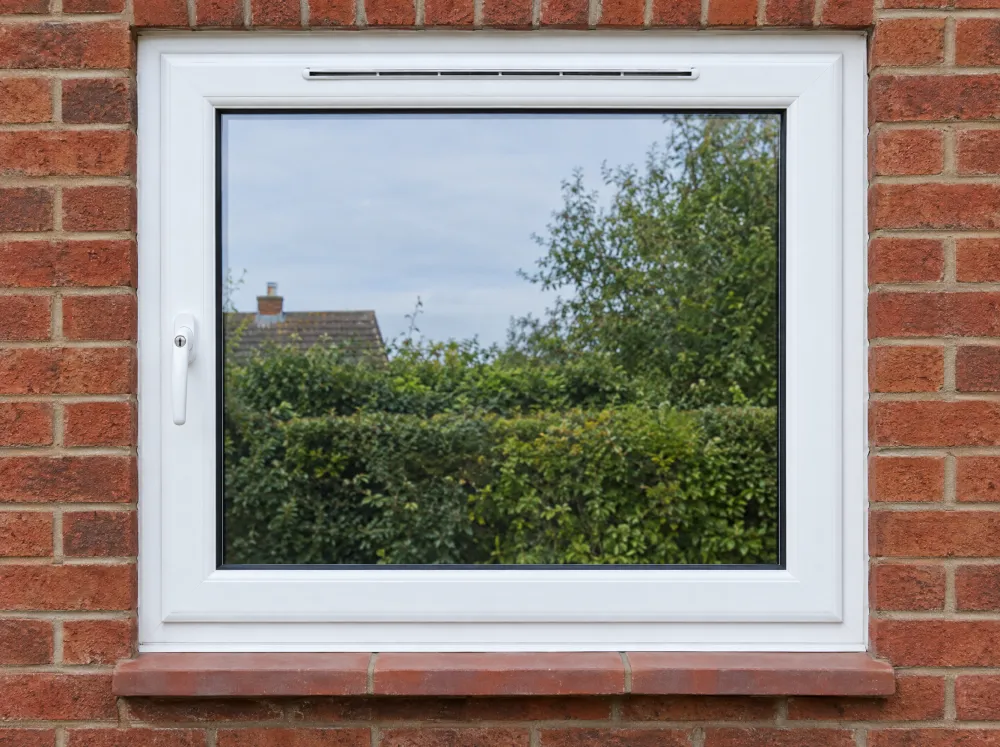
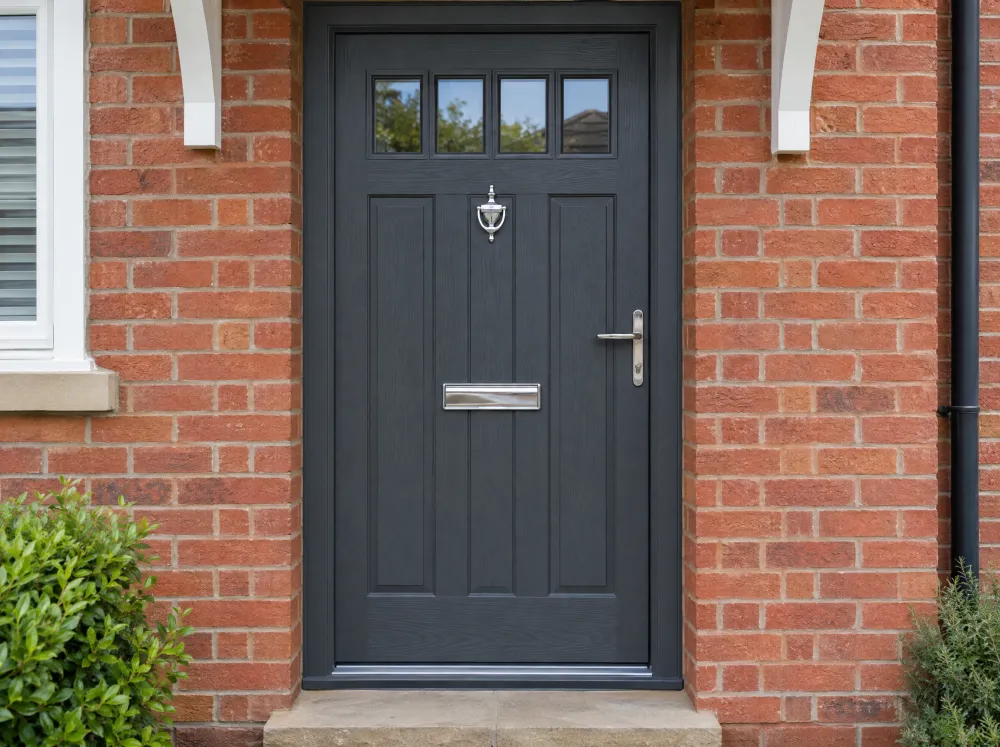
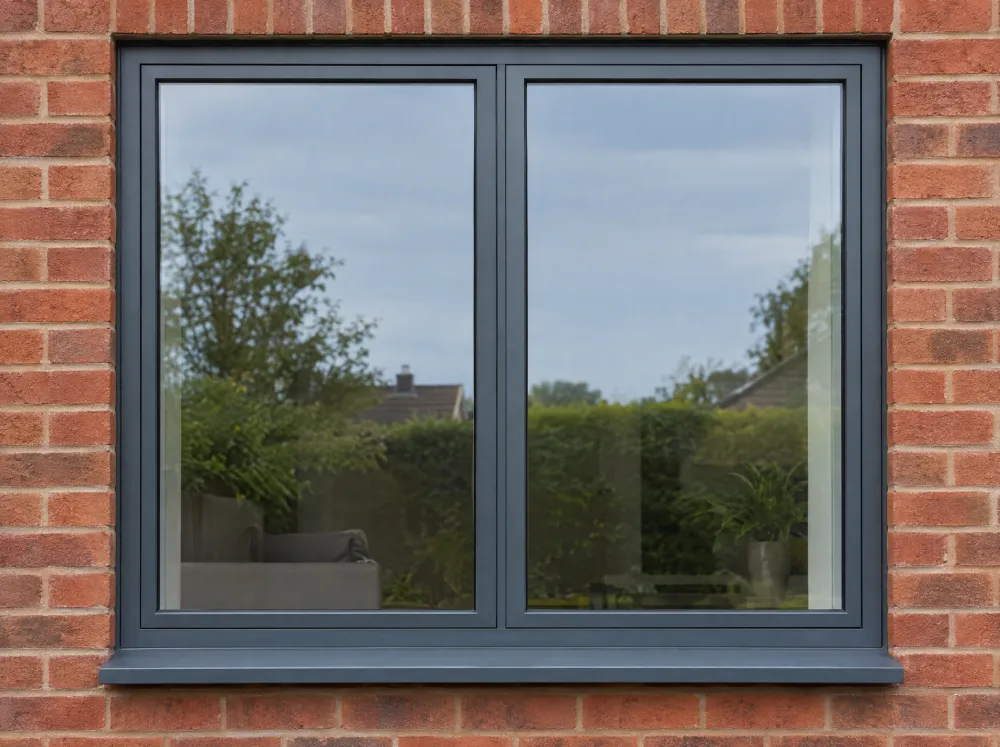
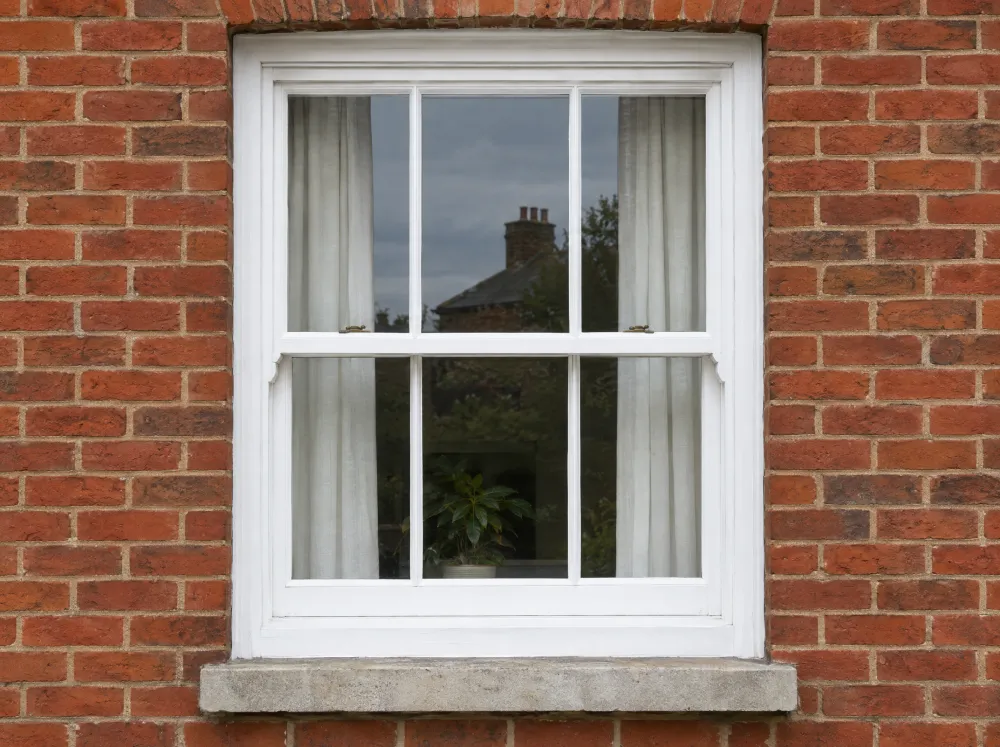
The same price, sliced different ways. Pick a view to see where your home sits.
Two identical homes can be quoted differently. These are the things that account for most of the gap.
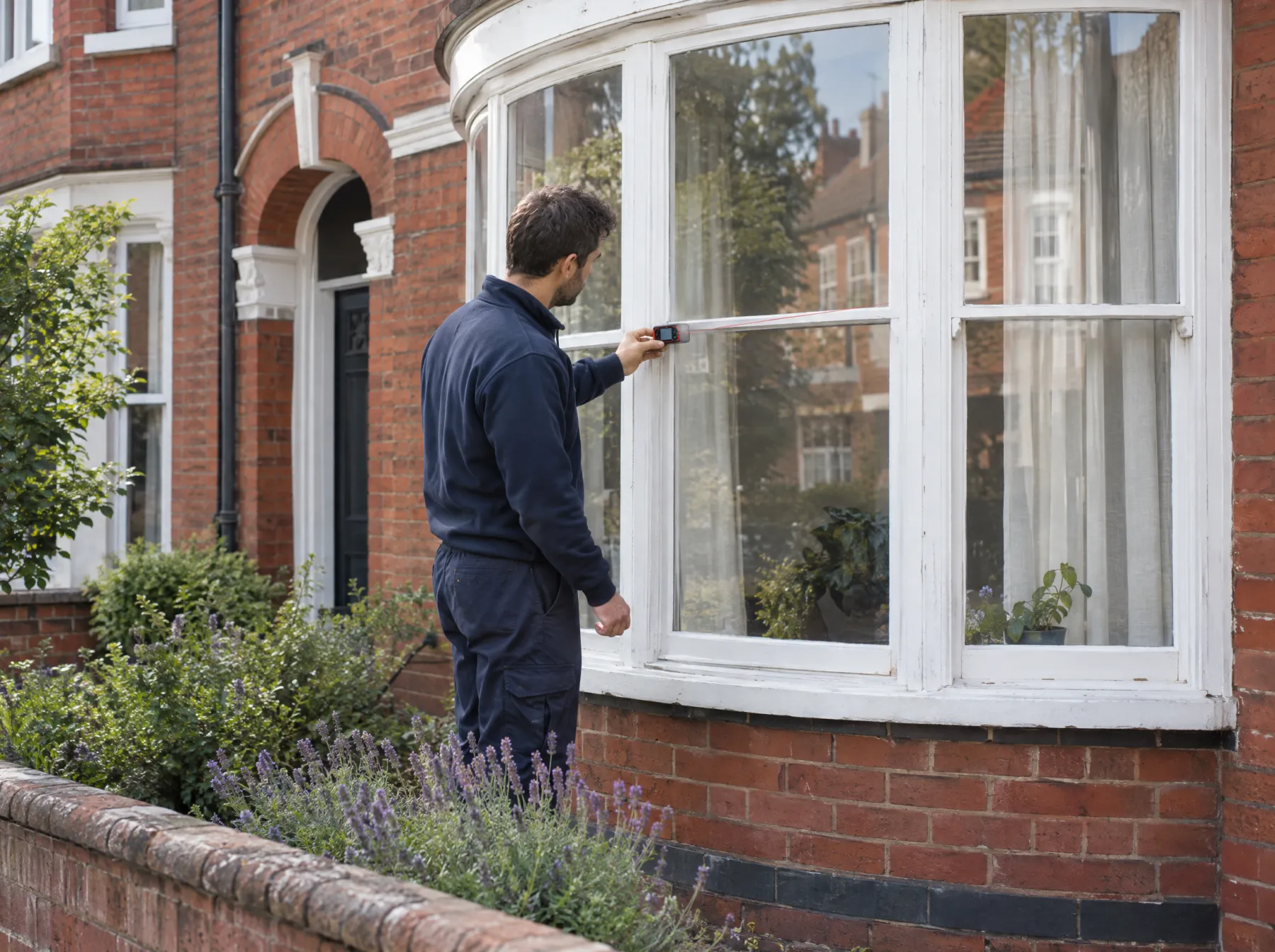
Are you looking for a simple design or a statement piece? A simple casement window will cost much less than a bay or sliding sash window.
The same goes for doors. A standard uPVC door is cheaper than a uPVC French door or bi-fold door. The style you fall in love with will have the biggest effect on cost.
If you want enhanced energy efficiency, soundproofing, and security, you’ll want to buy double- or triple-glazed windows and doors. They come in at approximately double the cost of single-glazing. That’s before you add optional upgrades like E-coating or acoustic glazing.
It’s simple: the bigger your home, the more windows (and potentially doors) you will probably need replacing. This means more materials and a longer install timeframe, which will increase the price.
Coloured finishes. Multi-locks. Decorative glazing designs or bespoke handles. The finer touches might increase the price, but they’re what make your new doors and windows extra special.
uPVC, composite, aluminium or timber. The material sets your baseline price before style, size and finish come into it, and it decides how much upkeep you are signing up for over the next twenty years.
Upper-floor windows may need scaffolding. Listed buildings and conservation areas restrict what you are allowed to fit, which can rule out the cheaper materials altogether.
Labour rates vary around the country, and prices for the same specification vary between installers in the same town. Glazing is a market where that spread is unusually wide, so comparing quotes matters.
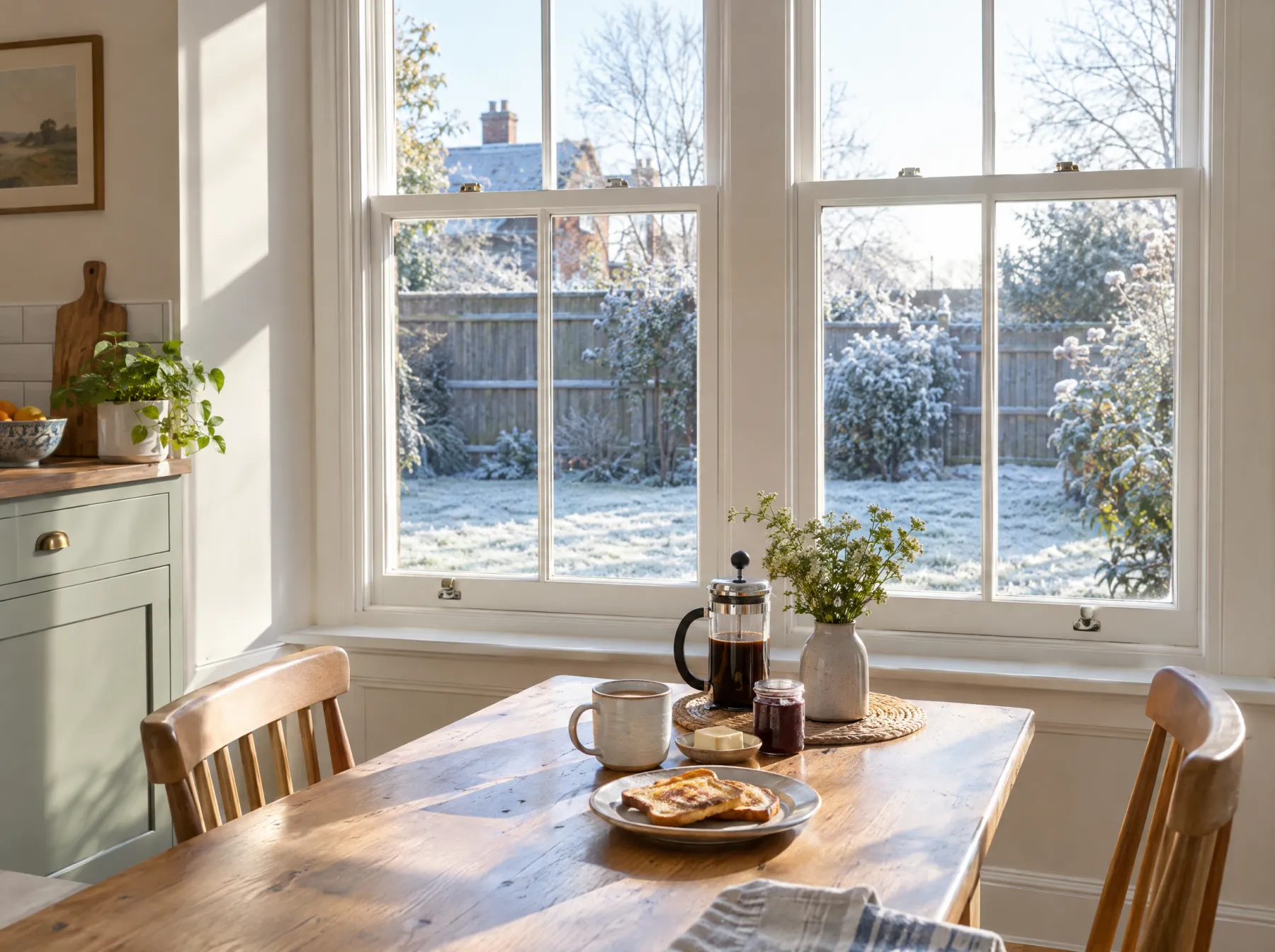
20 to 30 years
Replacing single glazing with A-rated double glazing saves a typical semi-detached home about £85 a year on energy bills in Great Britain, and £140 in Northern Ireland (Energy Saving Trust). That makes the payback a long one, and we know the immediate benefits (lower energy bills, staying warm in winter and a more comfortable, beautiful home) are the real draws.
Quotes are easiest to compare when you know which items are inside the price. These are the norms across the installers we work with.
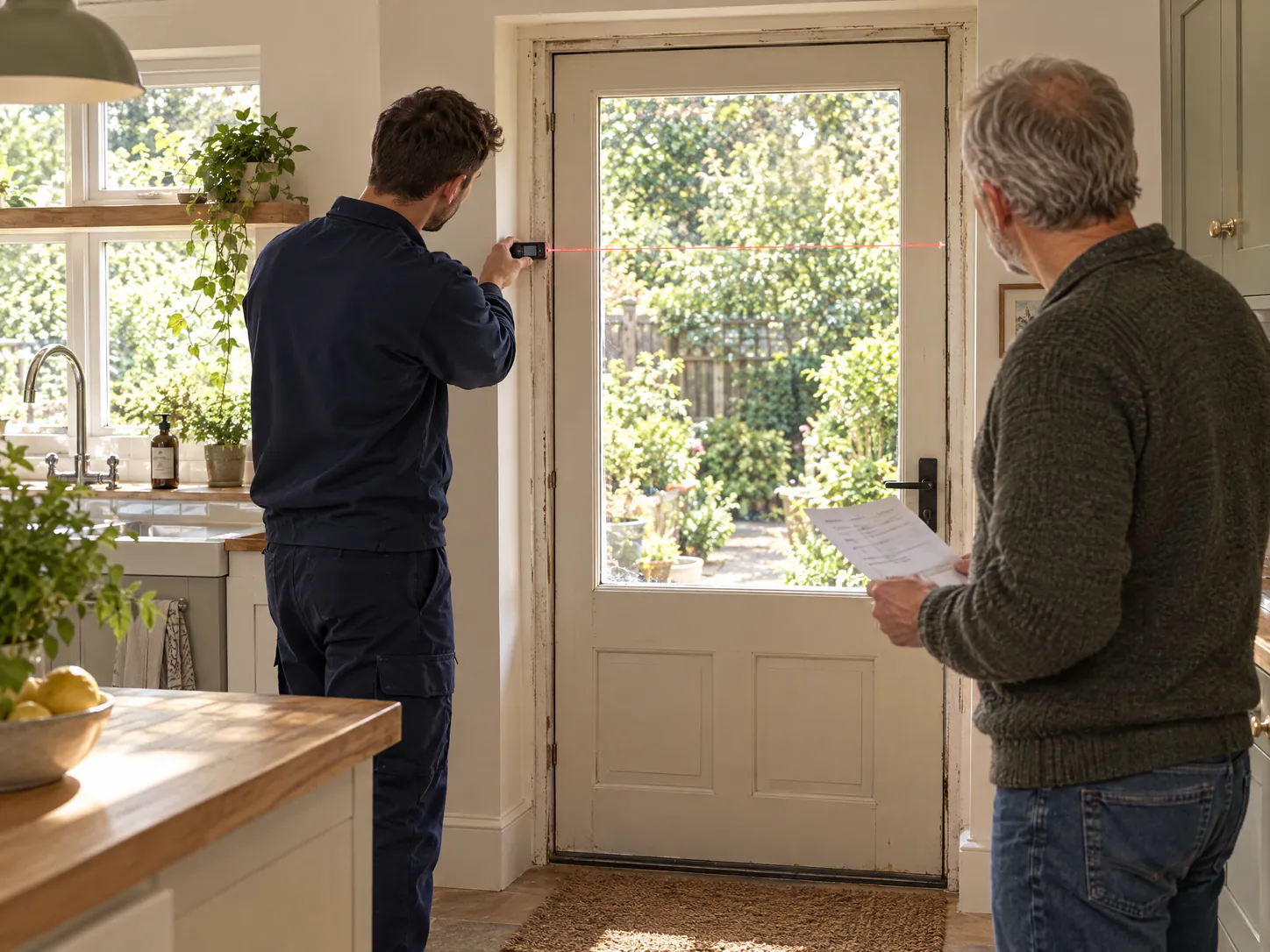
Enter your postcode and we will match you with FENSA-approved installers for free, no-obligation quotes.
We pass your details to one vetted local installer, so they can contact you with a quote. Our privacy policy explains how we use your data.
Yes, at the standard 20% rate, including double and secondary glazing. Only draught stripping fitted around existing windows and doors is zero-rated, until 31 March 2027.
That depends. Are you looking for internal or external doors? Do you want energy efficiency and savings, or are durability and security more important? There are lots of different types of doors that you can compare to discover your perfect match.
Yes. We supply you with a 100% free window quote or door quote from a vetted, trusted installer that meets our quality requirements. There’s no obligation to accept a quote, either.
Longer reads on the things that move your price, and what to check before you accept a quote.
Every figure on this page is a published range, not a personalised quote.

What each frame material typically costs, per window and per external door.
How the most popular window styles compare on price, supplied and installed.
Casement windows are the nation's favourite for a reason: simple, versatile, and hinged to open like a door. They are the cheapest style to manufacture and fit, typically £500 to £1,250 per window, and they suit almost any property type.
Tilt and turn windows are popular in modern and continental-style homes. They either tilt open at the top for ventilation or swing fully inward for cleaning, and that flexibility carries a modest premium at £600 to £1,400.
Sash windows are beloved by period properties and conservation officers alike. They slide vertically rather than swinging open, and the traditional mechanism plus a trickier installation push prices up to £700 to £1,500.
Bay windows project outward from the wall in three or more panels, which means more glass, more frame, and often some structural support underneath. Expect £1,100 to £4,000 for a full bay, depending on size and the number of panels.
What each type of external door typically costs, supplied and installed.
Front doors do a lot of heavy lifting: security, insulation and kerb appeal all in one. The average is around £600 to £775, though the material moves it a long way in either direction.
French doors are twin doors opening outward or inward from the centre, and a popular way to connect a kitchen or living room to the garden. Expect £950 to £1,175 depending on size, material and glazing.
Sliding patio doors are the space-saving alternative to French doors, gliding along a track rather than swinging open. Costs run from £450 to £1,800, with larger or triple-track designs at the top end.
Bi-fold doors concertina open in multiple panels to create a wide, uninterrupted opening onto the garden. They are among the more premium options, from £2,500 for a compact set up to £6,000 or more for wide, high-specification configurations.
How the main frame materials differ on price and character, priced for a casement window.
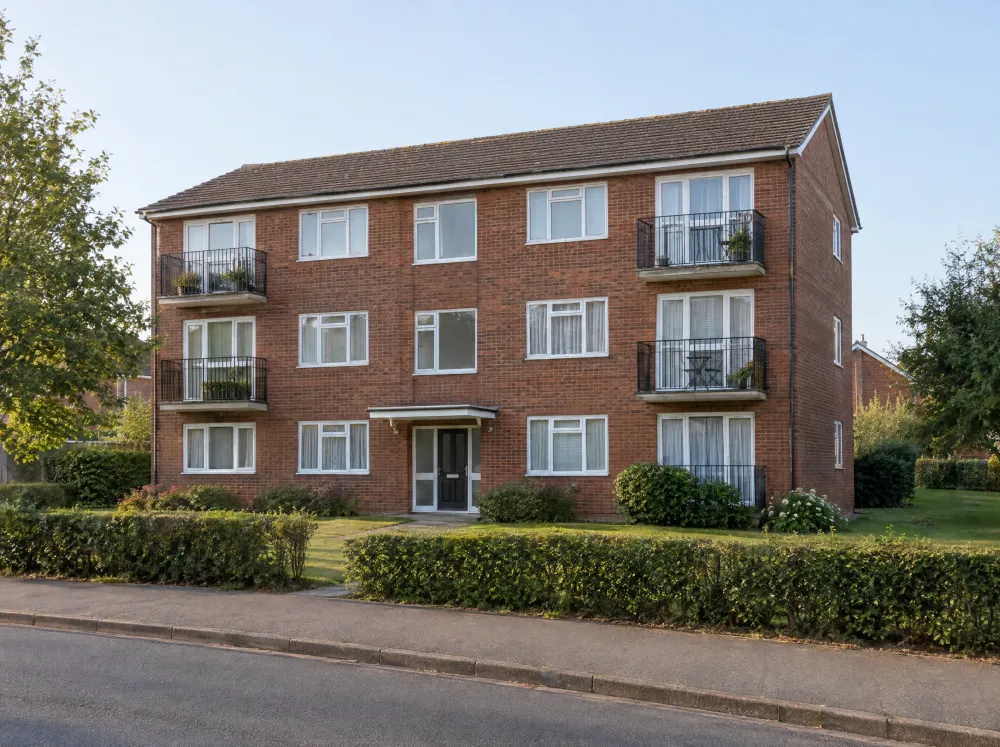
Roughly what a whole-house window replacement comes to, by property type.
If a full house replacement feels daunting, many homeowners phase the work over a couple of years instead. Just bear in mind that you may pay a little more overall than tackling it in one go, because each visit carries its own labour and access cost.
Supplied and fitted ranges, to give a sense of scale before you arrange a survey.
The average cost of a single new double-glazed window, and the typical window replacement cost, is around £1,000 supplied and installed, with a typical range of £500 to £1,800 per window. At the extremes you could pay as little as £350, or as much as £4,500, depending on the material, style and size you choose. A uPVC casement sits at the cheap end; a large timber bay window runs into several thousand pounds.
A new front or back door typically costs £600 to £1,800 fully installed, again depending on material and style. Bigger door sets, wide sliding patio doors, or multi-panel bi-folds, run considerably higher, sometimes reaching £3,000 to £5,000 or more on larger openings.
Double glazing is the standard for most UK homes. Triple glazing is becoming more common, particularly on new builds, north-facing rooms and homes on busy or noisy roads.
Triple glazing costs roughly 10 to 20% more than double glazing. It does deliver better thermal performance and more noise reduction, but the improvement over good modern double glazing is fairly modest, so the extra is worth weighing against what you actually want it for. A room that is cold has a different answer from a room that is noisy.
Some of the upgrades that matter most have nothing to do with the number of panes. Low-emissivity coatings, acoustic glass and argon-filled units each change performance without adding a third sheet of glass. Ask an installer what each one would change for your property rather than specifying the highest option everywhere.
Plain white uPVC is the cheapest option going, and it is far from the only one. Woodgrain foils in oak, rosewood or golden oak, anthracite grey and other heritage colours, and dual-colour frames that keep a white interior behind a bold exterior are all common. Bespoke colour matching is usually charged as a flat premium on top.
All of them cost more than standard white, because the foiling, spraying or lamination is extra material and extra labour rather than simply a different price list.
Smaller extras add up quickly too:
None of these are essential, but it is worth deciding early which ones matter to you. They are far easier to budget for upfront than to add halfway through a quote.
Beyond the headline price of the units themselves, a few costs catch homeowners off guard:
A reputable installer should flag all of this before any work starts rather than after. That is exactly why we only connect homeowners with vetted installers who carry out a free survey and give you a clear, itemised quote from the outset.
There is less support available for glazing than for insulation or solar, so most of the saving comes from how you buy rather than from funding.
Grants do exist. Government, councils and suppliers sometimes cover part or all of the cost of glazing and draught-proofing for low-income and vulnerable households. Eligibility varies a good deal, so it is covered properly in our guide to grants for windows and doors.
Replacing old single glazing with efficient A-rated double glazing saves a typical semi-detached home about £85 a year on energy bills in Great Britain, and £140 in Northern Ireland, according to Energy Saving Trust estimates.
Calculated purely on those bill savings, new double glazing takes 15 to 20 years or more to pay for itself, and longer again if you are upgrading from windows that were already reasonably efficient. That is a genuinely long payback, and it is worth being straight about it: if the only reason you are replacing windows is the energy saving, the numbers rarely justify it on their own.
Replacing genuinely old, single-glazed or worn-out windows pays back faster than that, because the savings are much bigger from the start. It is also worth knowing that uPVC has the shortest average lifespan of the frame materials at around 25 years, so on most houses the investment pays off a good while before anything needs replacing again.
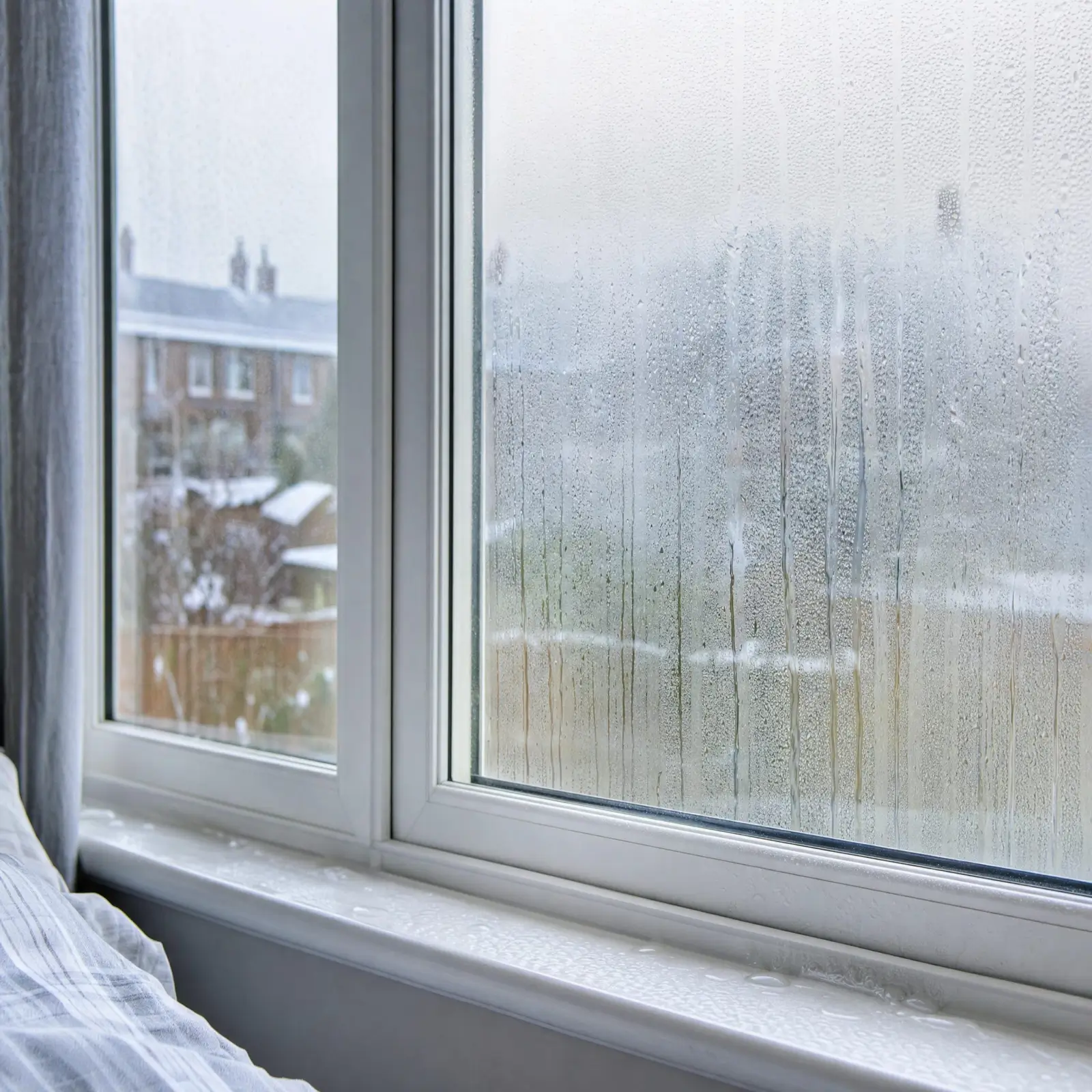
Most people replace windows and doors for reasons the payback figure does not capture. Draughts and cold spots near the glass disappear. Rooms get quieter, which matters more on a busy road than any bill saving. Condensation between the panes of a failed unit stops. Modern locking systems meet current security standards that older hardware predates. And the units stop being the thing you apologise for when someone visits.
Comfort, quiet, security and a better EPC rating all arrive sooner than the energy saving alone suggests. The saving is real, and it compounds if energy prices rise, but treat it as one benefit among several rather than the whole case.
Ongoing maintenance varies far more by material than by style, and it is the part of the cost easiest to leave out when comparing quotes.
uPVC also has the shortest average lifespan of the materials at around 25 years, so the lowest upkeep and the earliest replacement tend to arrive together.
Before you commit, it is worth thinking through what you want the work to do:
The easiest way to compare like for like is to get a free quote from a vetted installer, so you are looking at real prices for your own home rather than national averages.