
Installed costs

How much do solar panels cost?

Most homes fall inside a fairly narrow range, and the size of the system matters more than anything else. The figures below are installed costs for a typical property. What you are quoted will depend on your roof, your access and the equipment specified, so treat these as a starting point rather than a price.
Takes about 60 seconds
Free, and no obligation
Vetted, certified local installers
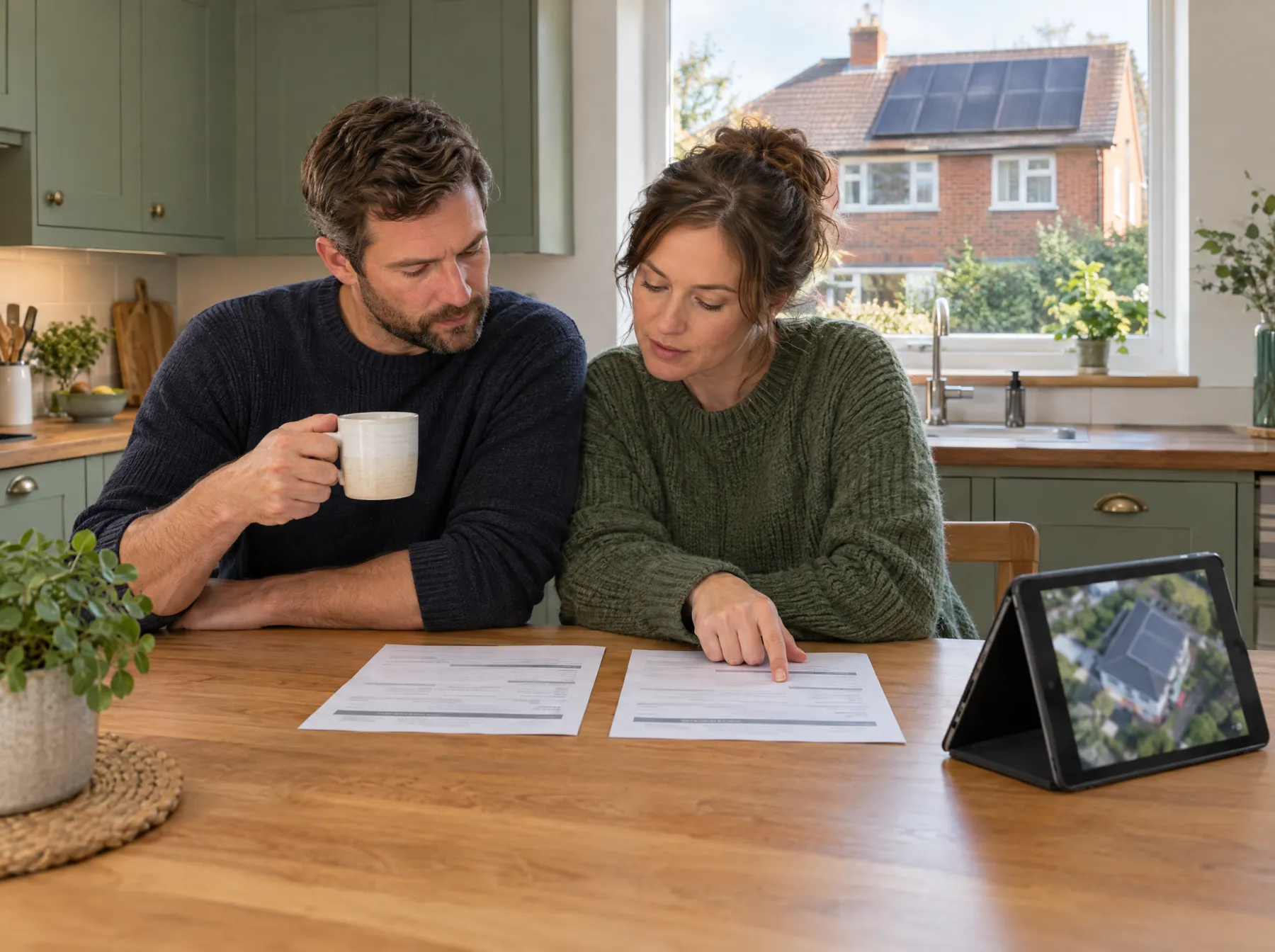
A couple comparing two printed solar quotes at their kitchen table, with solar panels on the house next door
Typical installed cost
around £7,600

The Energy Saving Trust puts a typical 4.5kWp home system at around £7,600. Smaller systems start at about £5,000, and larger ones can cost £13,000 or more.

Typical cost, installed

£5,000 to £13,000

Typical payback

9 to 12 years

Off your energy bills

up to 75%

Your price

How much do solar panels cost for my home?

Pick the closest match to your home. Every figure is the published range for that property size, not a personalised quote.

Pick your home

How big is your home?

The figures update as you pick

1 to 2 bedrooms
Flat or small house
3 bedrooms
Terraced or semi
4 bedrooms
Large semi
5 bedrooms
Large detached
Typical installed cost

Installed cost by home size

Pick one

Which is closest to you?

The figures update as you pick

Typical cost

Cost by option

Compare

Compare the price by type, size and more

The same price, sliced different ways. Pick a view to see where your home sits.

What changes the number

What moves the price up or down

Two identical homes can be quoted differently. These are the things that account for most of the gap.
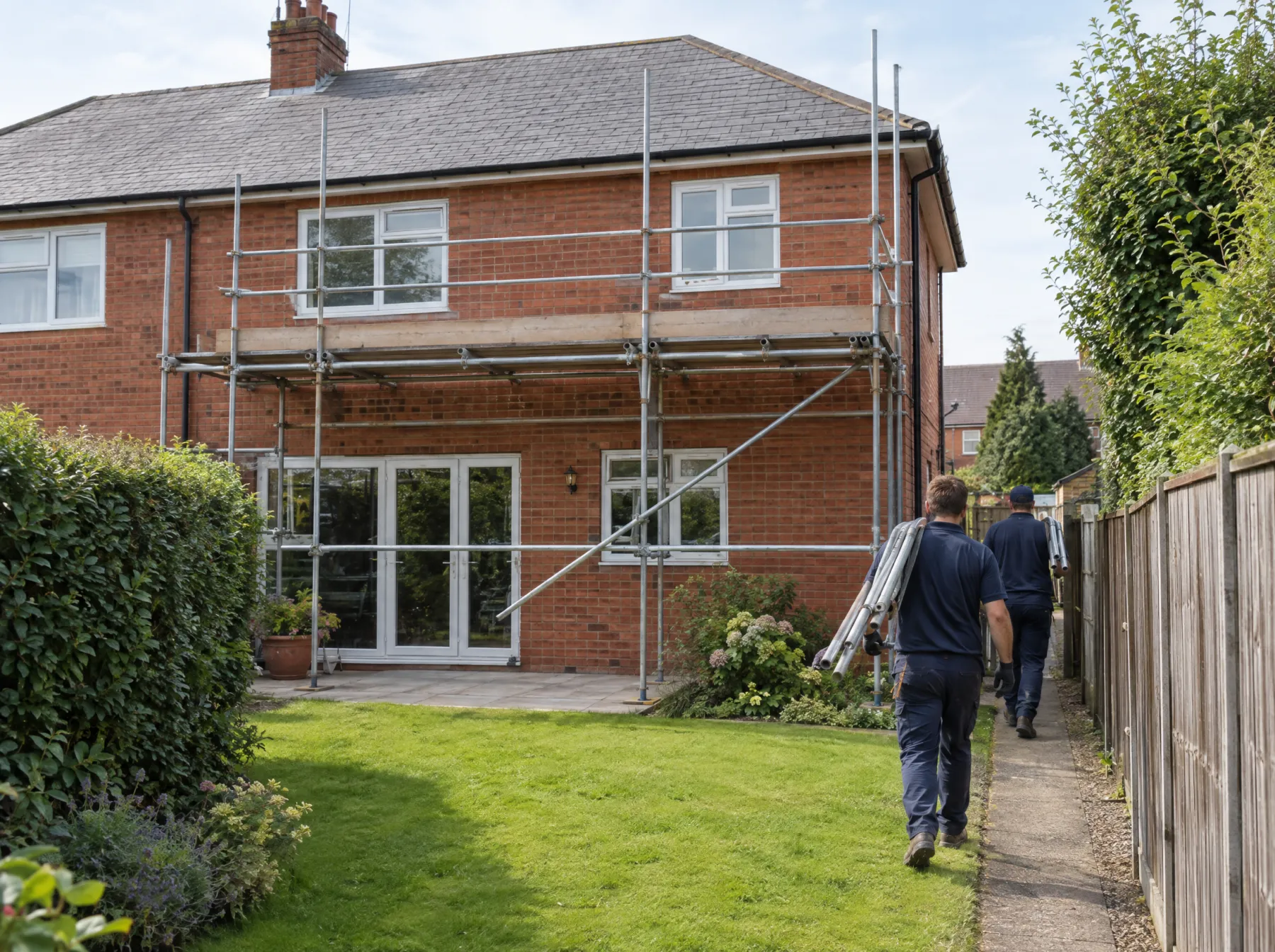
Scaffolding going up at the back of a red-brick semi-detached house
1

Roof space

The smaller your roof space, the fewer solar panels you’ll need.

2

Your electricity use

High-energy households generally require higher-wattage systems, which cost more.

3

Solar battery needs

If you want to add a solar battery, it will typically cost you between £1,500 and £10,000 with the average cost landing around £4,600.

4

The size of your home

Bigger homes usually need bigger systems. The most common domestic sizes are 3.5kW, 4kW and 6kW, and the system size moves the price more than any other single factor.

5

Roof access and scaffolding

Scaffolding is priced on how hard your roof is to reach safely. A straightforward two-storey semi costs less to access than a tall terrace on a narrow street.

6

The condition of your roof

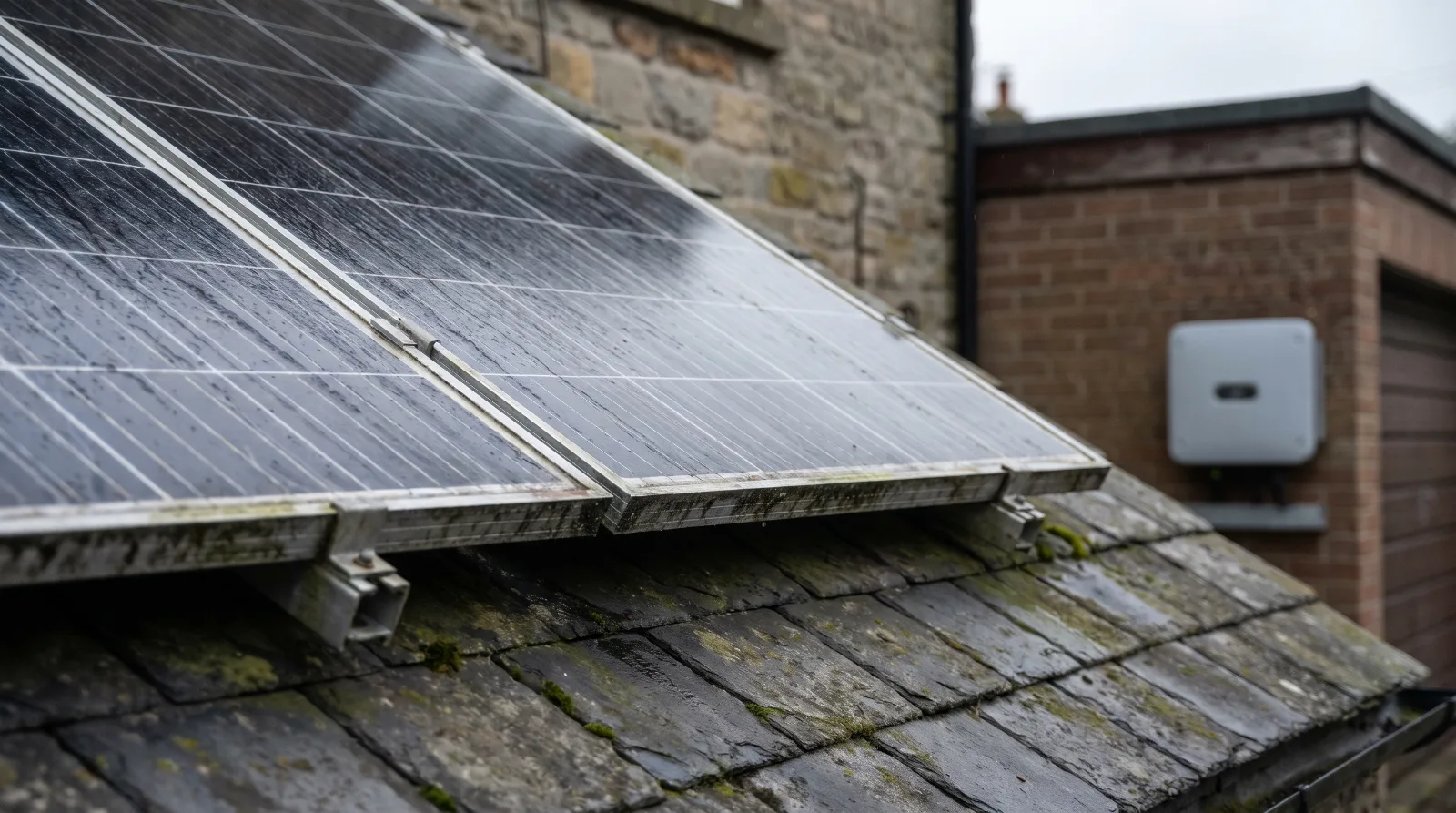
Panels are expected to stay up for decades, so worn tiles or felt are usually repaired before installation. That work is quoted separately from the system itself.

7

Electrical work and network approval

An older consumer unit sometimes needs upgrading before a system can be connected. Your installer notifies the network operator, and larger systems need approval first.

8

Panel and inverter specification

Higher-efficiency panels cost more each but need less roof. The inverter type also changes both the price and how well the system copes with partial shade.
Go deeper

The detail behind the price

Savings and payback

What you get back and how long it takes

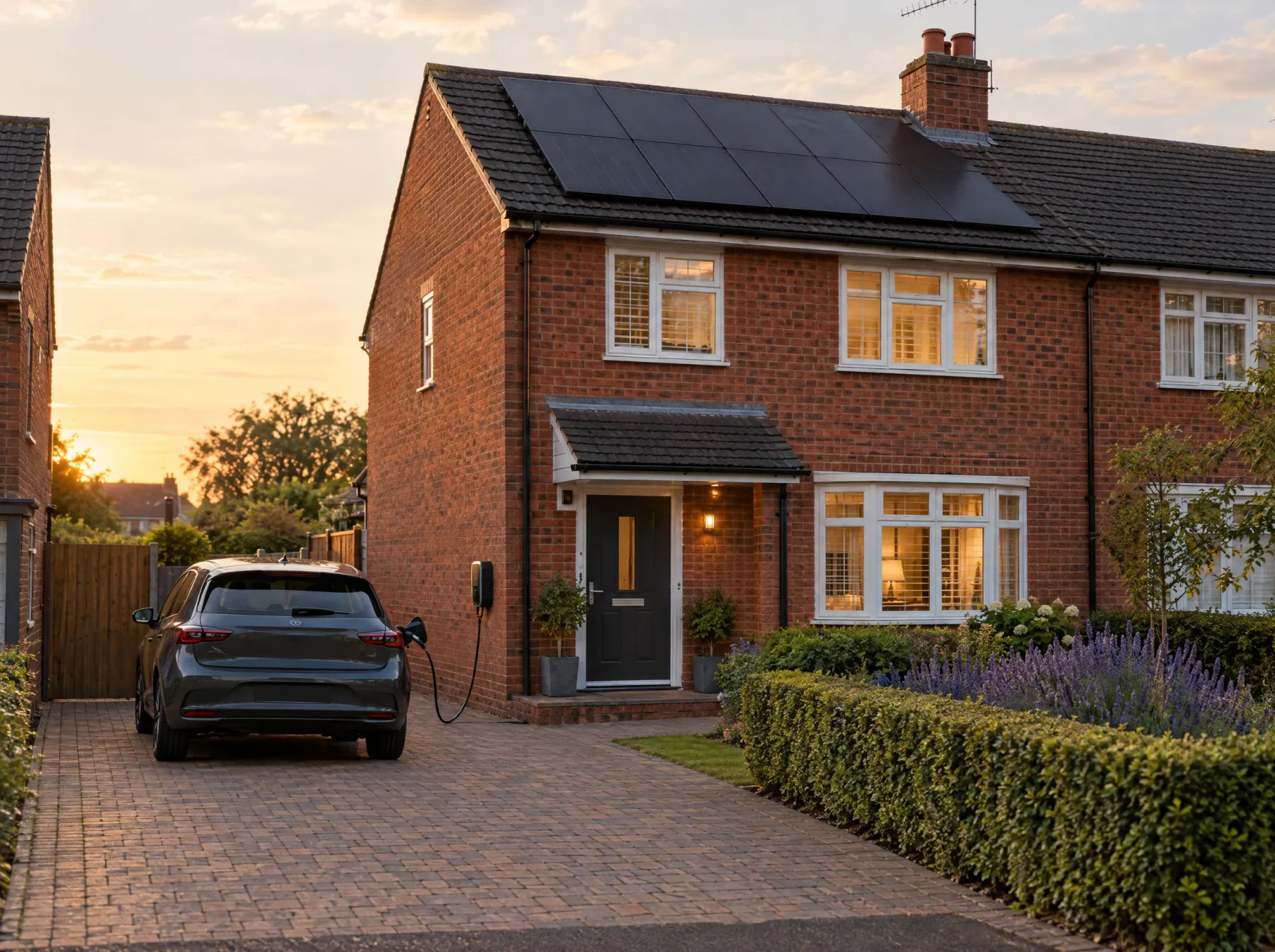
An electric car charging on the driveway of a red-brick semi with black solar panels at sunset
Typical payback

9 to 12 years

Solar panels typically pay for themselves in 9 to 12 years when you are paid for the electricity you export, and can cut energy bills by up to 75% a year.

Bringing it down

Ways to pay less

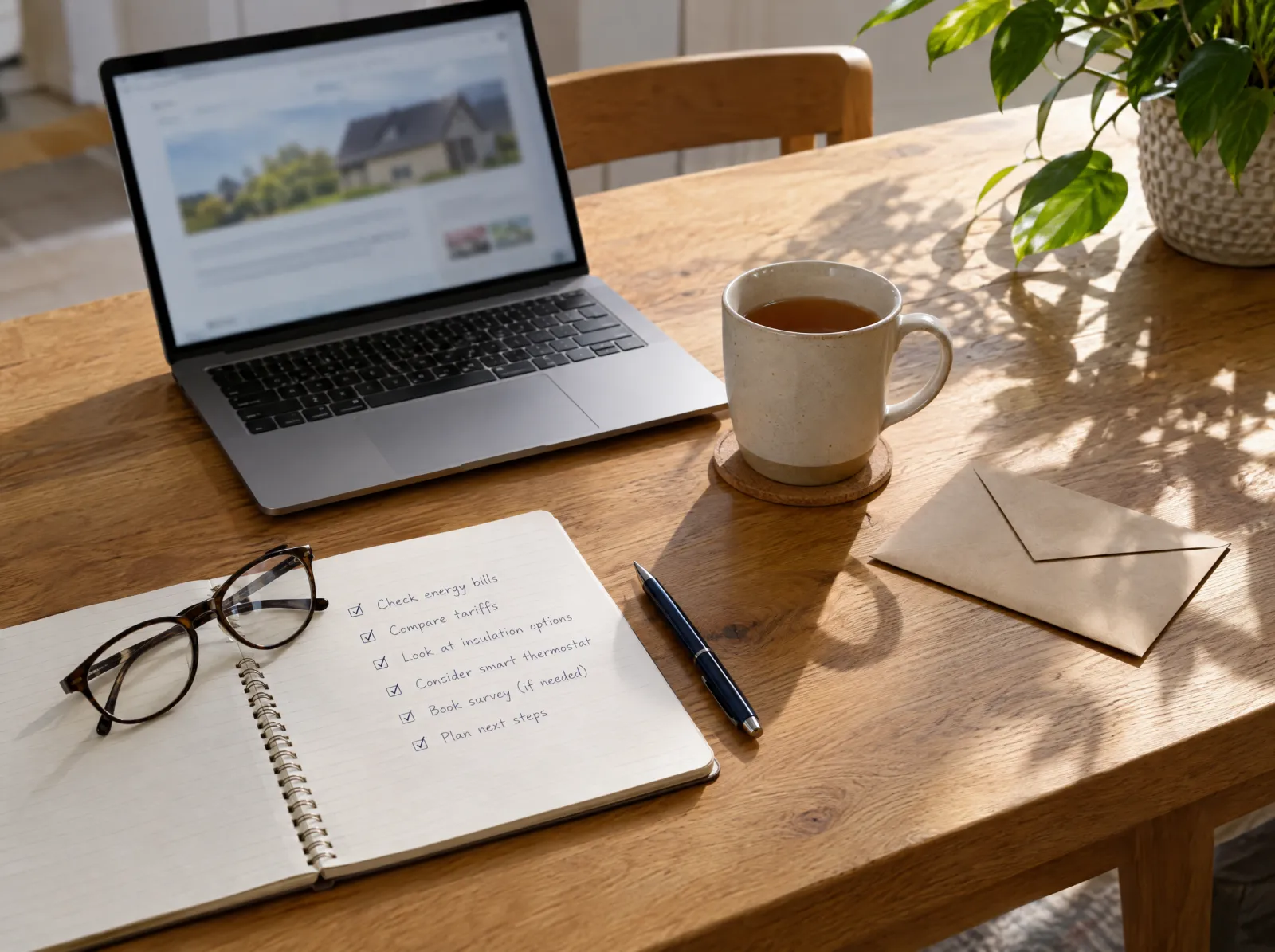
A notebook with a ticked to-do list, reading glasses and an open laptop on a kitchen table in morning light
Grants and schemes

Could support cover part of the cost?

Some households qualify for help with the cost of a home energy upgrade. What is available depends on where you live and your circumstances, and the schemes change.

Before you compare quotes

What a quote covers and what it does not

Quotes are easiest to compare when you know which items are inside the price. These are the norms across the installers we work with.
Normally included

Inside the price

  • A site survey and roof assessment before any work starts
  • System design, and the panel and inverter specification
  • Supply of panels, mounting rails and the inverter
  • Scaffolding for standard access
  • Installation, testing and commissioning
  • Your MCS certificate, which you need to claim export payments
  • Notifying your network operator
Usually separate

Quoted on top

  • Roof repairs: from £100 to £200 for a small tile repair, and upwards of £3,000 for structural work
  • Upgrading an older consumer unit, or rewiring: £400 to £600 for the consumer unit
  • A battery: unless it is itemised on your quote
  • Non-standard scaffolding: for restricted or difficult access, above the £300 to £1,000 a standard install includes
  • Removing trees or obstructions: to reduce shading
  • Making good decorative finishes: where cables enter the building
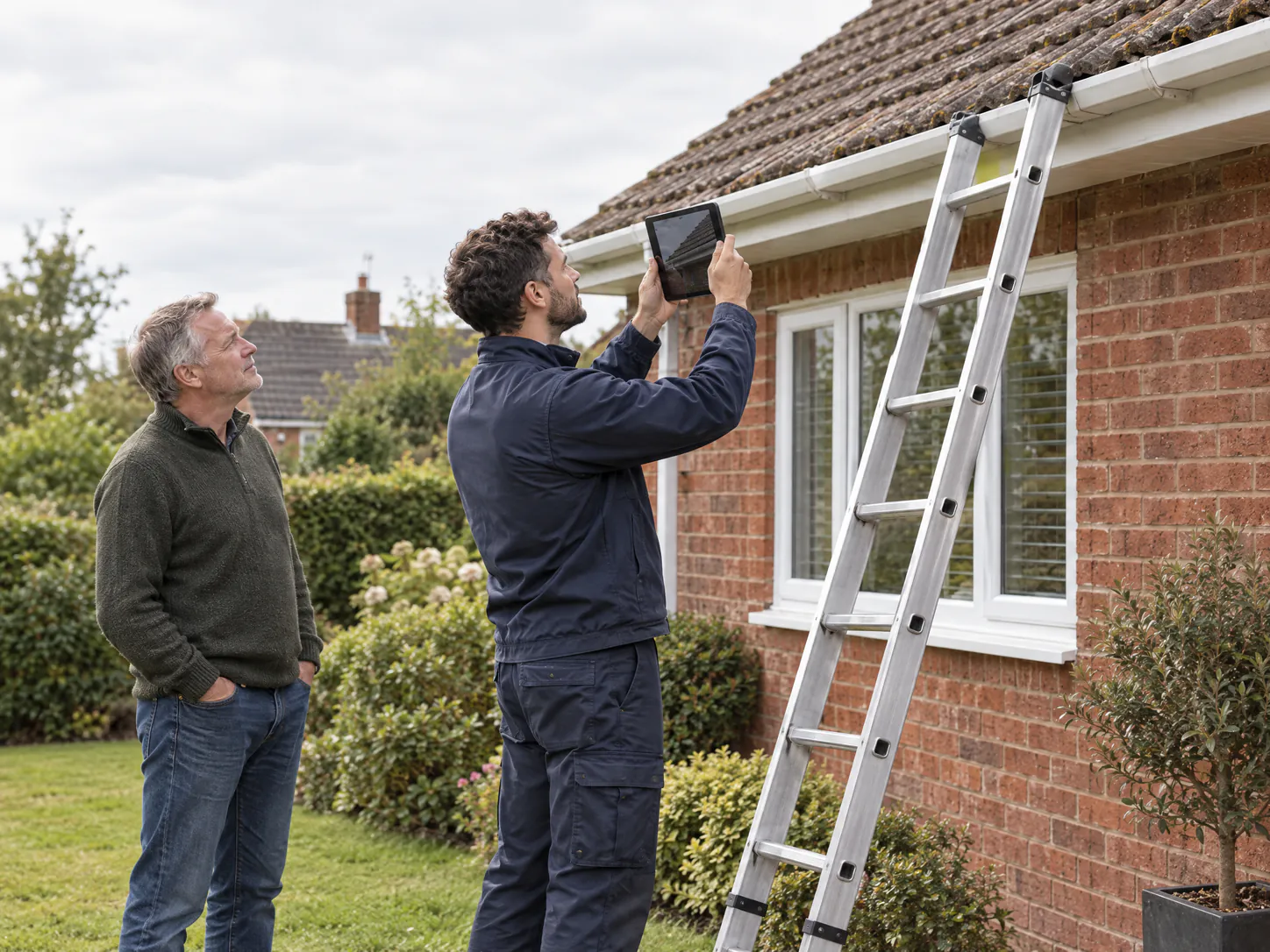
Surveyor checking a roof with a tablet while the homeowner looks on
Free, no obligation

See what solar would cost on your roof

Enter your postcode and we will match you with MCS-certified installers for free, no-obligation quotes.
Typical installed cost
around £7,600
01

Tell us a few details

Answer a few quick questions about your home, the upgrade you want and your postcode. It takes about two minutes, and it’s free.
02

Match with a local installer

We match you with one local installer, checked for the right accreditation, so you only hear from someone who can do the job properly.
03

Get your quote directly

Receive your quote, ask any questions, then choose it or compare it with other quotes you already have. No pressure, and you stay in control.
Loading your quote form

We pass your details to one vetted local installer, so they can contact you with a quote. Our privacy policy explains how we use your data.

Free, no-obligation quote
MCS-certified installers
Responses within minutes
UK-wide coverage
FAQs

Questions about cost

A homeowner reading on a phone with a cup of tea on a window seat

Still have a question?

Browse every answer in the help centre, grouped by topic.

Can I still get paid for the electricity I export?

Yes, in England, Scotland and Wales. Under the Smart Export Guarantee, suppliers with at least 150,000 domestic customers must offer an export tariff. Each sets its own rate, which must always be above zero, and your system needs an MCS certificate.

Do I have to pay a grant back?

No. A grant is not a loan. Under the Warm Homes: Local Grant, homeowners and tenants pay nothing for the work the council agrees with them. Where a scheme offers a loan as well, the loan is paid back.

Is getting solar quotes free?

Yes. It doesn't cost you anything to enquire, and there's no obligation to accept a quote or book an install.

Read next

Guides that go deeper

Longer reads on the things that move your price, and what to check before you accept a quote.

See all guides
Last reviewed
18 August 2026
About these figures

Every figure on this page is a published range, not a personalised quote.

Ready to compare quotes for your home?

Compare free, no-obligation quotes from vetted, certified local installers.

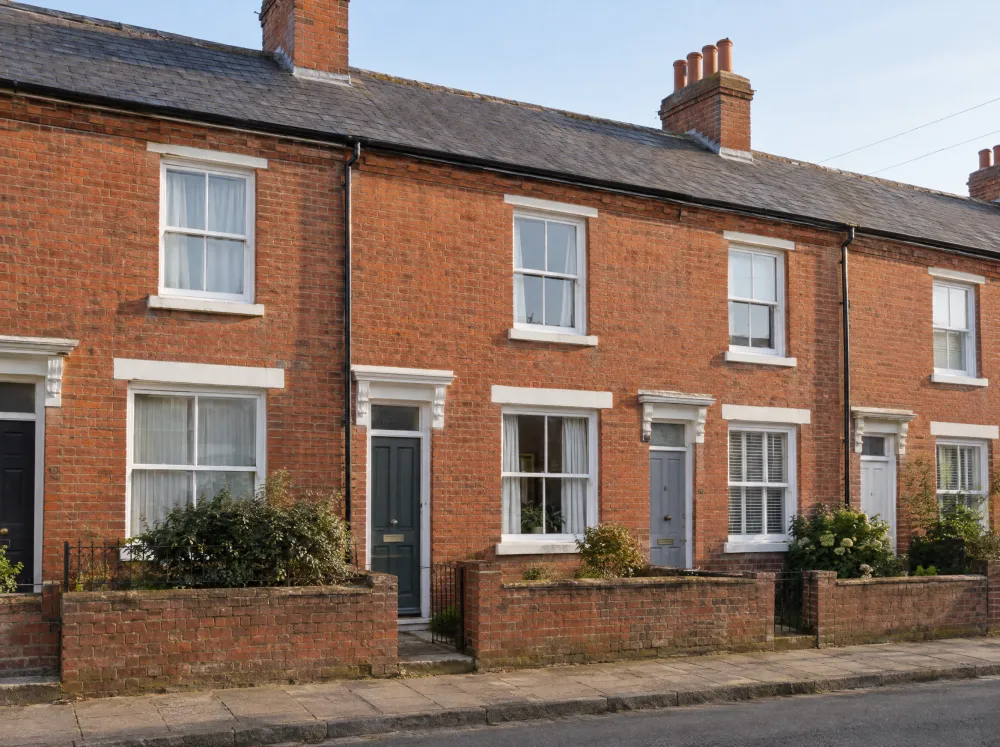
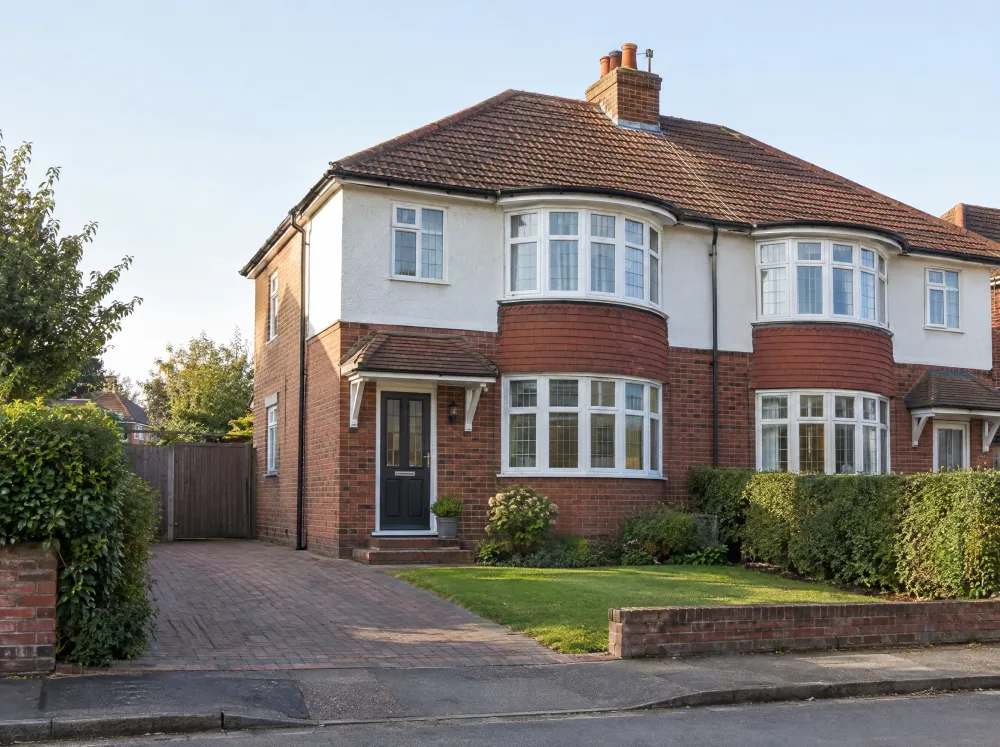
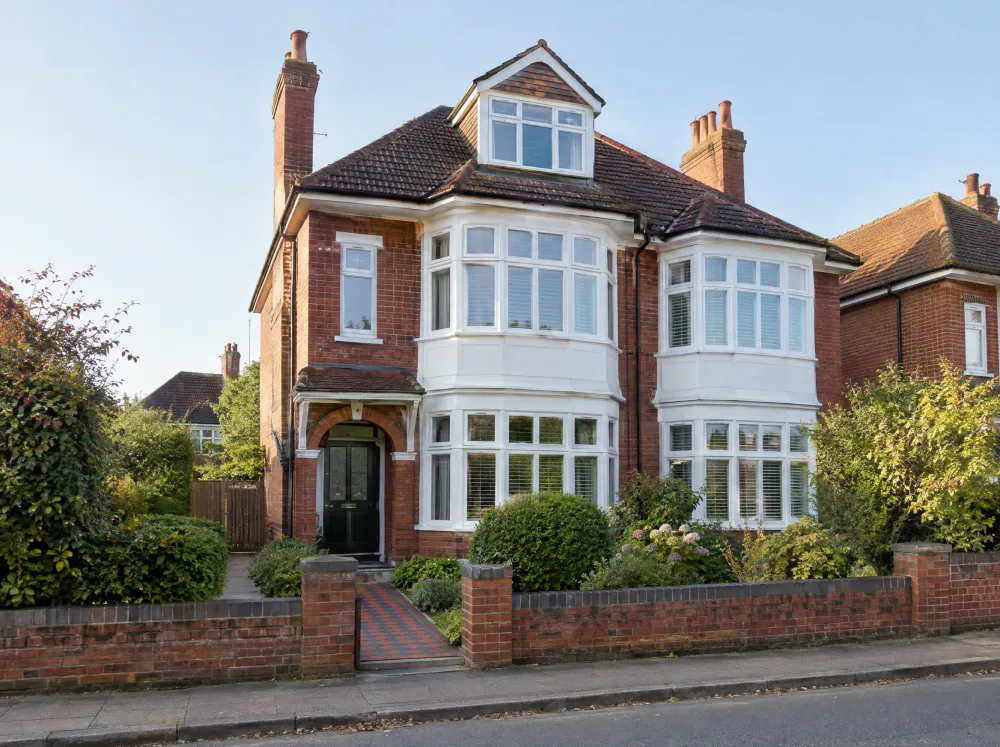
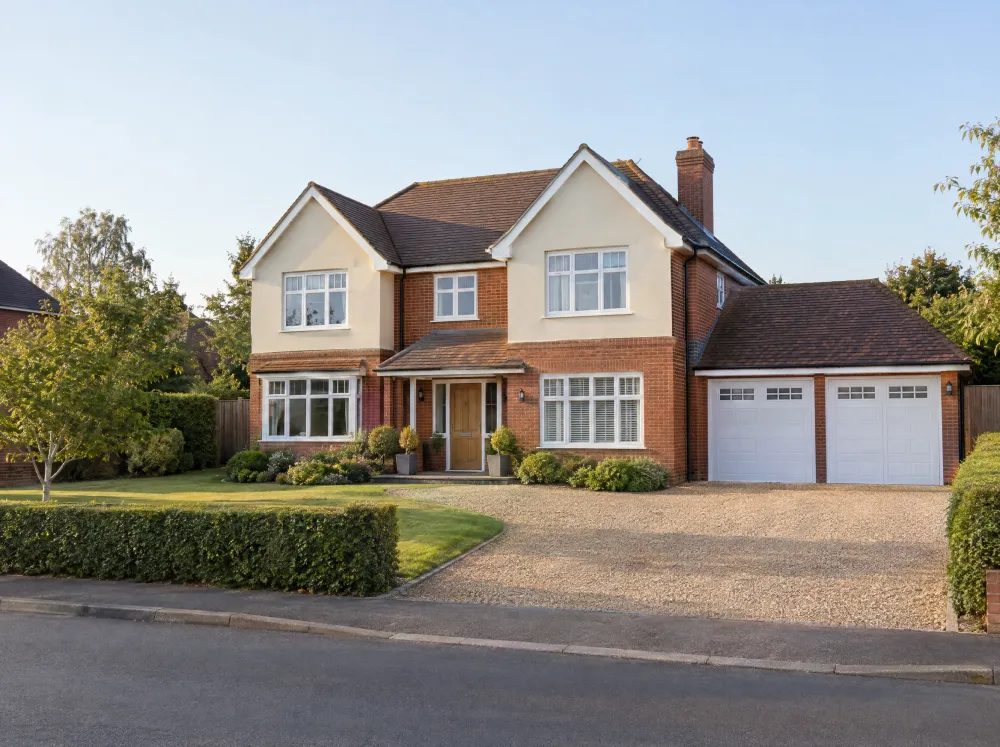
Average cost of solar panels by house size

Unsurprisingly, the bigger your house, the bigger the price tag. Property size drives roof area, panel count and electricity use together.

solar-cost-by-house-size
2
House size Typical system size Panels needed Average cost range 1 to 2 bedroom home / flat 2 to 3.5kW 4 to 8 £5,000 to £6,500 3 bedroom home (terraced or semi-detached) 3.5 to 4kW 7 to 12 £6,000 to £8,000 4 bedroom home (large semi-detached) 4 to 6kW 10 to 14 £9,000 to £11,500 5 bedroom home (large detached) 6kW+ 15+ £11,000 to £14,000+

1 to 2 bedrooms. Flats and smaller houses usually, though not always, use less electricity. Fewer panels and a smaller system will do, which brings the cost down to around £6,000.

3 bedrooms, the typical UK household. Costs run from £6,000 to £8,000, and most homeowners pay just over £7,000 according to the MCS Dashboard. That holds across terraced and semi-detached homes of this size.

4 bedrooms. Large terraced and semi-detached homes generally need more energy, putting a system between £9,000 and £11,500.

5 bedrooms. Above £11,000, and beyond £14,000 for the largest, driven by higher energy needs and more roof to work with. Cost per kW tends to fall as system size rises, so the economics improve even as the total goes up.

Prices vary depending on electricity use, roof size, location and other factors. For an accurate, tailored price, get a quote from an installer.
Department for Energy Security and Net Zero with the Microgeneration Certification Scheme, median cost of solar panels per kW, plus market research. Checked August 2026.
10
What it costs

Estimated savings by house size

Before the other factors that affect price, here is what making the switch typically saves a household of each size.

solar-savings-by-house-size
2
House size Annual electricity generation Estimated annual savings Estimated maximum savings after 10 years 1 to 2 bedroom home / flat 1,600 kWh £400 to £550 £5,500 3 bedroom home (terraced or semi-detached) 2,500 kWh £650 to £750 £7,500 4 bedroom home (large semi-detached) 3,800 kWh £800 to £950 £9,500 5 bedroom home (large detached) 4,300 kWh £950 to £1,100 £11,000

Those are averages, and four things move a household away from them.

Where you live. Maximum savings reach around £930 a year in London and about £810 in Manchester, with Scotland at £740, Wales at £810 and Northern Ireland at £570. Sunlight hours account for some of that; electricity prices account for the rest.

Whether you use the Smart Export Guarantee. This is the single largest variable, and it is covered in its own section below.

Your electricity tariff. Export rates, standing charges and unit prices all differ between suppliers, and they act directly on what you save. It is worth shopping around rather than staying put by default.

Whether you add a battery. Storage lets you use your own generation in the evening, when electricity costs most. It usually cuts bills further, but it raises the upfront cost and lengthens payback.

Generation figures from Ofgem's latest Typical Domestic Consumption Values. Savings are ballpark figures from internal and market research, based on homeowners using the Smart Export Guarantee. Checked August 2026.
20
What it costs

Solar panel costs by type

Panels come in three main types, and each carries a different price per panel as well as a different efficiency.

solar-cost-by-panel-type
3
Type of solar panel What they are Average cost per panel Monocrystalline High-efficiency panels, suitable for most household needs and roof types £400 to £500 Polycrystalline Lower-efficiency panels, historically more budget-friendly, suited to larger roofs £350 to £450 Thin-film Slim, flexible panels, best suited to mobile homes and curved roofs £250 to £350
Type affects cost, savings and payback together, so it is worth settling before you compare quotes.
Ballpark estimates based on market research and industry data. Checked August 2026.
30
Cost by …
Panel type

Solar battery storage costs by capacity

Storage lets you keep the energy your panels generate during the day and use it in the evening, when electricity costs most. The MCS Dashboard puts the average battery at £8,521.19, though that figure is skewed by large units: most households need something considerably smaller.

solar-battery-cost-by-capacity
2
Battery Typical installed cost Any home battery £1,500 to £10,000 5kWh battery Around £4,600 Tesla Powerwall 3 (13.5kWh) £8,500 to £12,000

Batteries also come in two chemistries. Lithium-ion units cost around £4,000 and lead-acid around £2,000. Lithium-ion has better discharge rates and a longer life, which generally justifies the difference over the 25 to 40 year life of the panels it sits behind.

Adding storage increases your upfront cost and lengthens payback, so weigh it against how much of your generation you currently export.
Energy Saving Trust, battery storage (updated 6 October 2026). Tesla Powerwall 3 range from UK installer quotes. Checked 13 November 2026.
40
Cost by …
Battery

Solar panel costs by nation

Costs do vary by nation, although not too significantly. Northern Ireland has the lowest average and England the highest.

solar-cost-by-nation
2
Nation Average cost of installation England £8,799.62 Scotland £8,431.16 Wales £7,897.46 Northern Ireland £7,791.75
MCS Dashboard, January to July 2026. Figures reflect all sizes of installation, so costs may be lower for smaller, straightforward setups and higher for complex installs.
50
Cost by …
Nation

Solar panel costs by English region

Across England there is notable variation. Costs in the South run higher on demand, access and labour, and fall across the North East and Midlands.

solar-cost-by-english-region
2
Region Average cost of installation London £8,284.60 South East £9,605.82 South West £9,619.45 North West £8,570.66 North East £6,990.52 West Midlands £8,437.84 East Midlands £8,784.92 Yorkshire and The Humber £8,421.68 East of England £8,678.35
MCS Dashboard, January to July 2026. Figures reflect all sizes of installation, so costs may be lower for smaller, straightforward setups and higher for complex installs.
60
Cost by …
Region

Solar panel costs by energy use

The bigger the system you need, the higher the cost. The average UK household uses 2,500kWh of electricity a year.

solar-cost-by-energy-use
2
Annual energy usage Solar panel size Average solar panel cost Low (1,600kWh) 3.5kW £5,000 to £6,500 Medium (2,500kWh) 4kW £6,000 to £9,500 High (3,800kWh) 6kW £9,000 to £13,000
Ballpark averages from market research. Household consumption figure from Ofgem. Checked August 2026.
70
Cost by …
Energy use

What solar panels cost to run

Panels are refreshingly low maintenance, but they are not zero maintenance. Three costs recur over a system's life.

solar-running-costs
3
Item How often Typical cost Panel cleaning Annually, optional £20 to £200 Inverter replacement Every 10 to 15 years About £800 System inspection Every 1 to 2 years, optional £100 to £200
Overall this comes to roughly £120 to £400 a year, with the inverter replacement landing once at about the halfway point of the system's life.
Energy Saving Trust for cleaning and maintenance, plus general market research. Checked August 2026.
120
Savings and payback

How much do solar thermal systems cost?

Unlike solar photovoltaic (PV) panels, solar thermal systems capture energy from the sun to heat water.

Solar thermal costs: A typical solar thermal system costs around £5,300, including installation. However, prices can range from £3,000 to £10,000 depending on your manufacturer, model, hot water usage, and other factors.

35
Cost by …
Solar thermal

How can I reduce solar panel costs?

Good news: the headline quote rarely factors in the financial support available for homeowners. So, for some, the cost of solar panels could be a lot cheaper.

  • 0% VAT on solar panels, batteries, and installation, available until 31 March 2027.
  • In England, the Warm Homes: Local Grant pays the full cost of agreed upgrades, including solar panels, for households that qualify. Councils can spend an average of up to £16,600 per home on energy upgrades such as solar, and a further £16,600 on low-carbon heating such as a heat pump.
  • Regional grants, such as the Home Energy Scotland Grant and the Warm Homes Nest Scheme in Wales also offer financial coverage, subject to eligibility.
  • Group buying schemes are available in some areas, allowing homeowners to buy in bulk and lower the cost by up to 30% through economies of scale.
  • Shopping around: Prices for similar specs can vary from installer to installer, even in the same area. We always suggest getting a free MCS-certified installer quote from local experts and weighing up your options.

Read more about solar panel grants and schemes.

90
Bringing it down

Can the Smart Export Guarantee save me money?

We’ve mentioned SEG a few times, so let’s quickly explain how it can help you reap back your costs.

The Smart Export Guarantee (SEG) is a scheme that pays you back for the electricity that you don’t use yourself (surplus energy). You generate the energy, sell it back to the grid, and potentially recoup an extra £600 in energy bill savings (if you were living in London, staying home all day).

Export rates depend on your energy supplier and tariff, and range from about 4p to 25p per kWh. And you don’t have to stick with your existing supplier. You can (and should) shop around to find the best export rates.

100
Savings and payback

How long do solar panels take to pay for themselves?

Most UK homeowners can expect payback somewhere between 9 and 12 years, according to the Energy Saving Trust (July 2026 prices, with export payments). It varies depending on the type of solar panel you choose, as well as SEG use, electricity usage, location, and whether you’ve added a battery.

For example, if you stay home all day, you’re using more of the energy you generate. So, you’ll pay back your investment faster.

But then, a household that’s away most of the day, but installs a solar battery, could achieve the same payback periods if they use their stored energy during the evening.

Adding a solar battery has a big impact on payback periods. It adds a significant chunk to your initial cost, making payback longer. But, it usually improves your overall lifetime savings, especially if you’re on a smart time-of-use tariff.

The key thing is that solar panels have an average lifespan of 25 to 40 years. So, even if it takes 12 years to pay off, that could still mean 18 years of pure savings if your solar panel was to last 30 years.

110
Savings and payback

Solar panel checklist: key things to consider before you buy

Now you know the costs, here are some other key things to consider to make sure that you get the best price along with the highest quality install:

System size: Have a rough idea of what system size you might need based on your electricity usage as well as your roof’s size and budget. Our guide to how many solar panels you need walks you through it.

Energy goals: Are you seeking lower energy bills? Energy independence? EV/heat pump charging? This will affect the type of system you buy and how much you pay.

Battery needs: Think about your daily usage patterns and whether you’d benefit from stored energy. Our solar battery storage guide covers battery costs and sizes.

Installer certifications: Always check whether your installers are MCS-certified, as it’s essential for SEG and most grants. We can supply you with a free solar quote from an MCS-certified installer.

Warranties: Installers should offer product warranties (10 to 25 years) and performance warranties (typically 25 years). Lengths can vary, so it’s worth comparing across quotes.

130
Before you buy