Explainer
17 November 2026
Thinking about installing solar? We’re here to help with guides, research, and real-world solutions to get you the right solar system for your wants and needs. Start your journey to a greener future with us!
£5,000 to £13,000
9 to 12 years
up to 75%
55 to 75%
16%
0.7 tonnes
Future-proof
5 to 15 points
SEG
Choosing the right solar panel is all about understanding what works best for your unique needs: your budget, your home, and your goals. Whether you want to maximise energy independence or reduce your energy bills long-term, there’s a solution that fits.
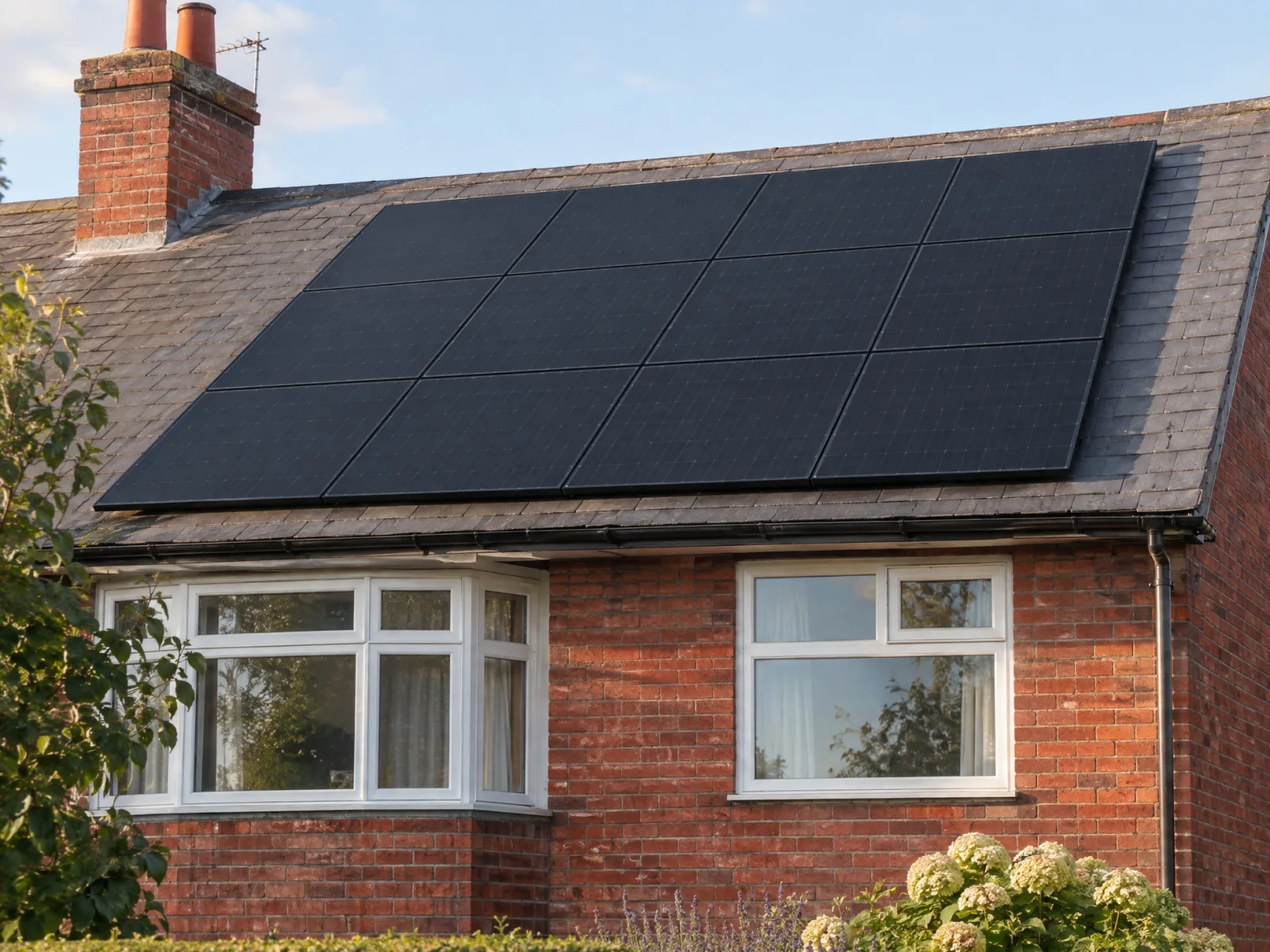
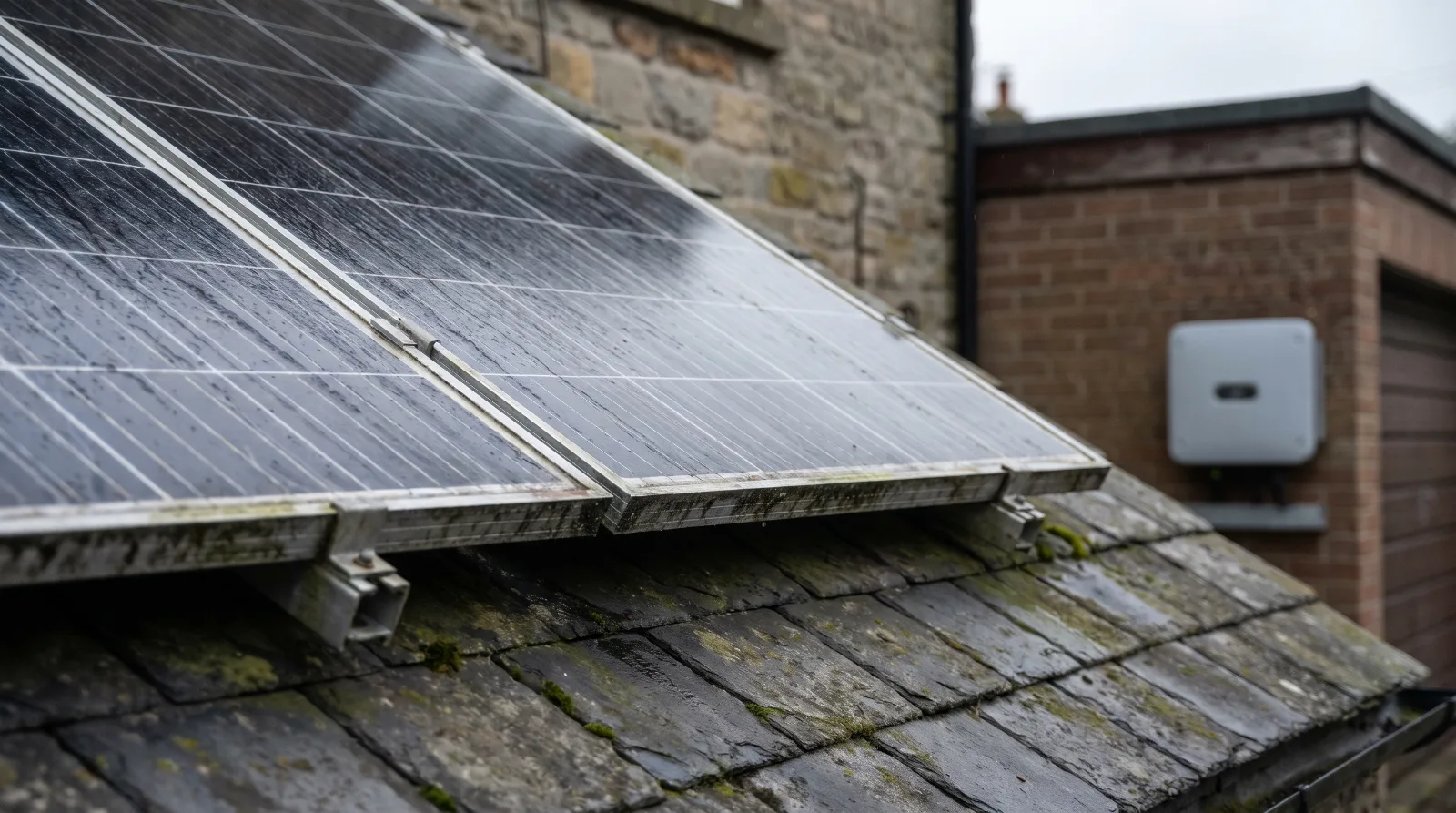
With efficiency ratings of 18 to 24%, monocrystalline solar panels have the highest energy efficiency and the longest lifespan. Reduce reliance on the grid and achieve maximum long-term savings.
£400 to £500
18 to 24%
30 to 40 years
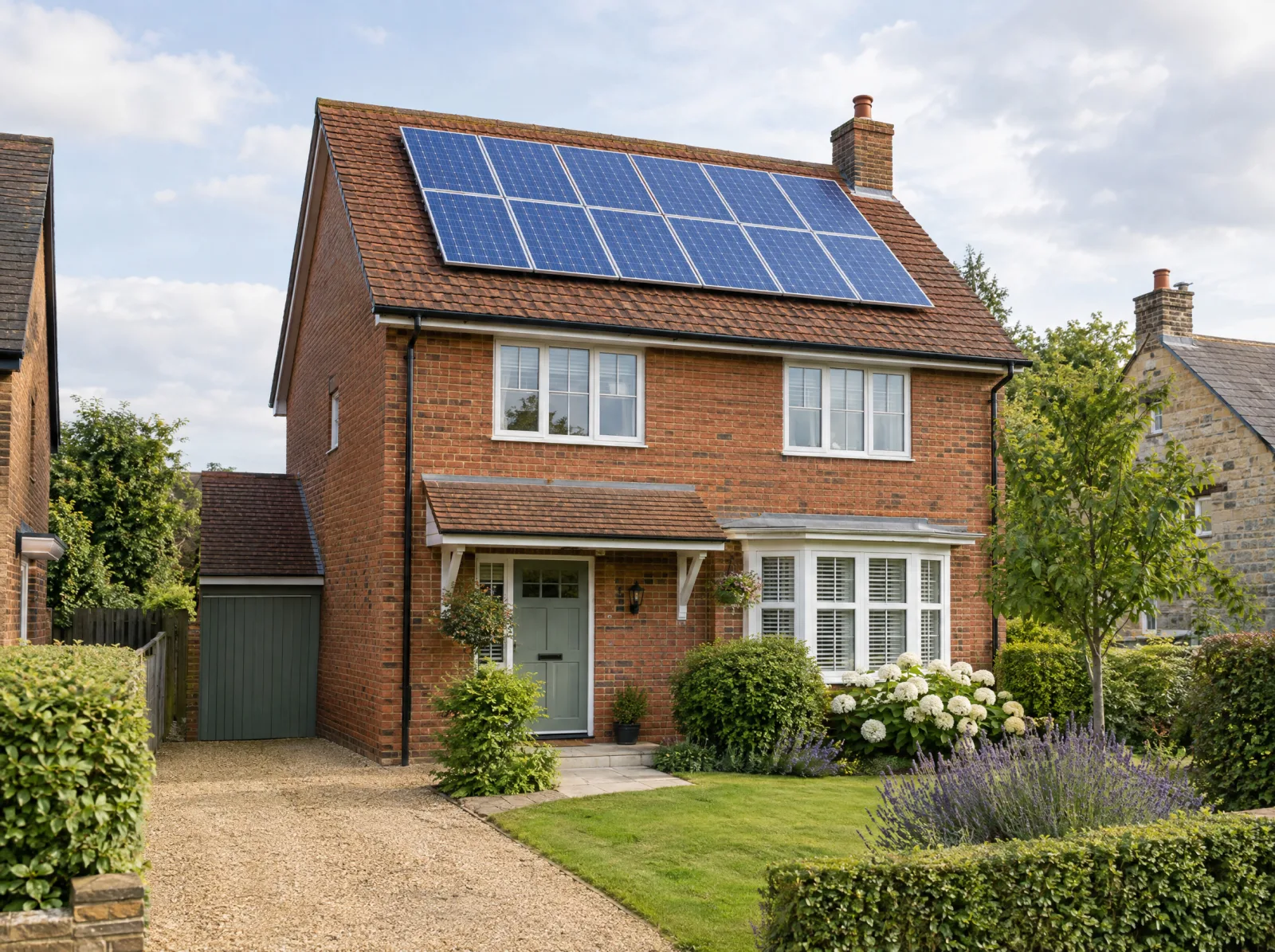
Looking for an affordable solar panel with the lowest environmental impact? Polycrystalline panels have lower installation prices and CO2 emissions than monocrystalline panels. Generate renewable energy at a lower upfront cost.
£350 to £450
13 to 16%
25 to 30 years
Cost per panel
Efficiency
Lifespan
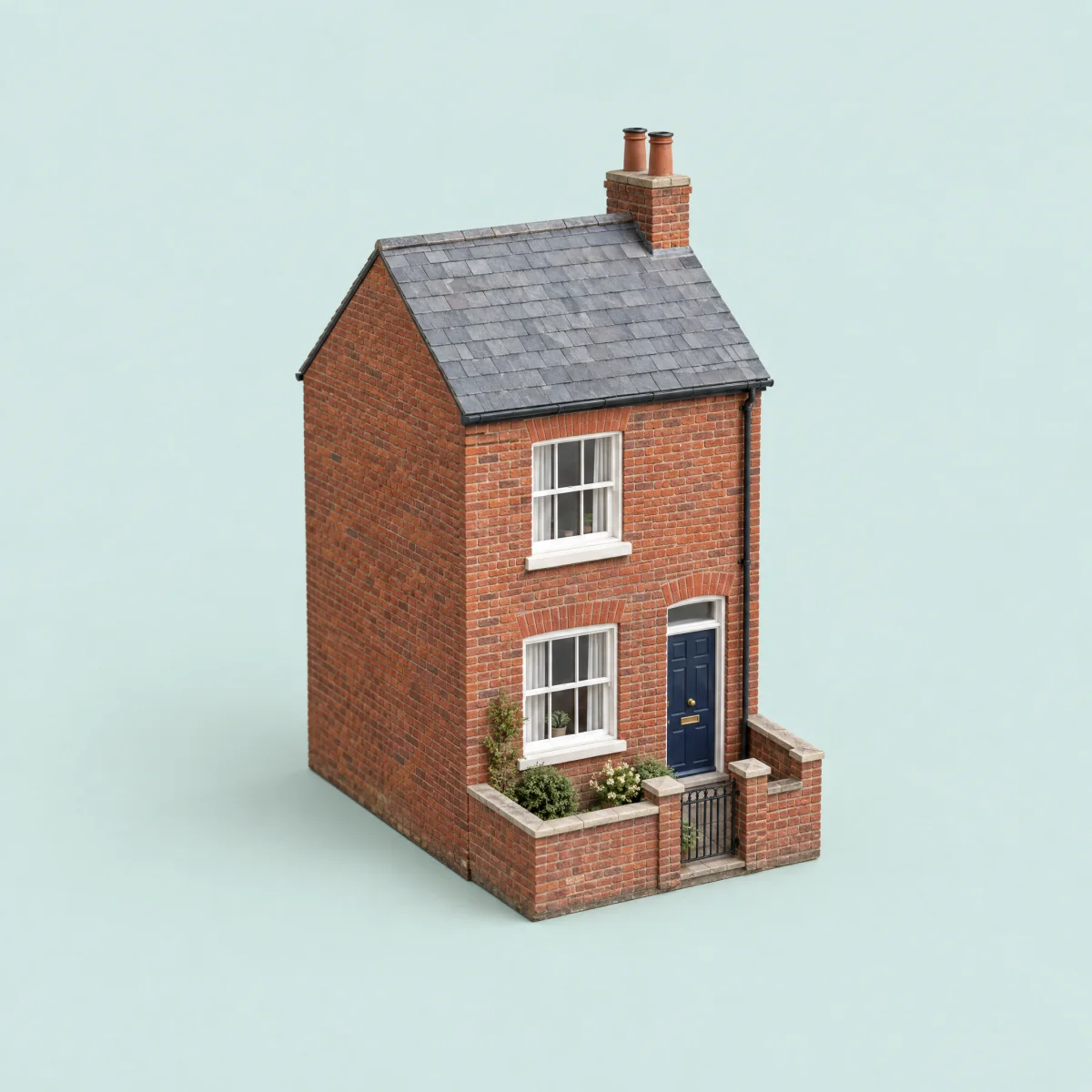
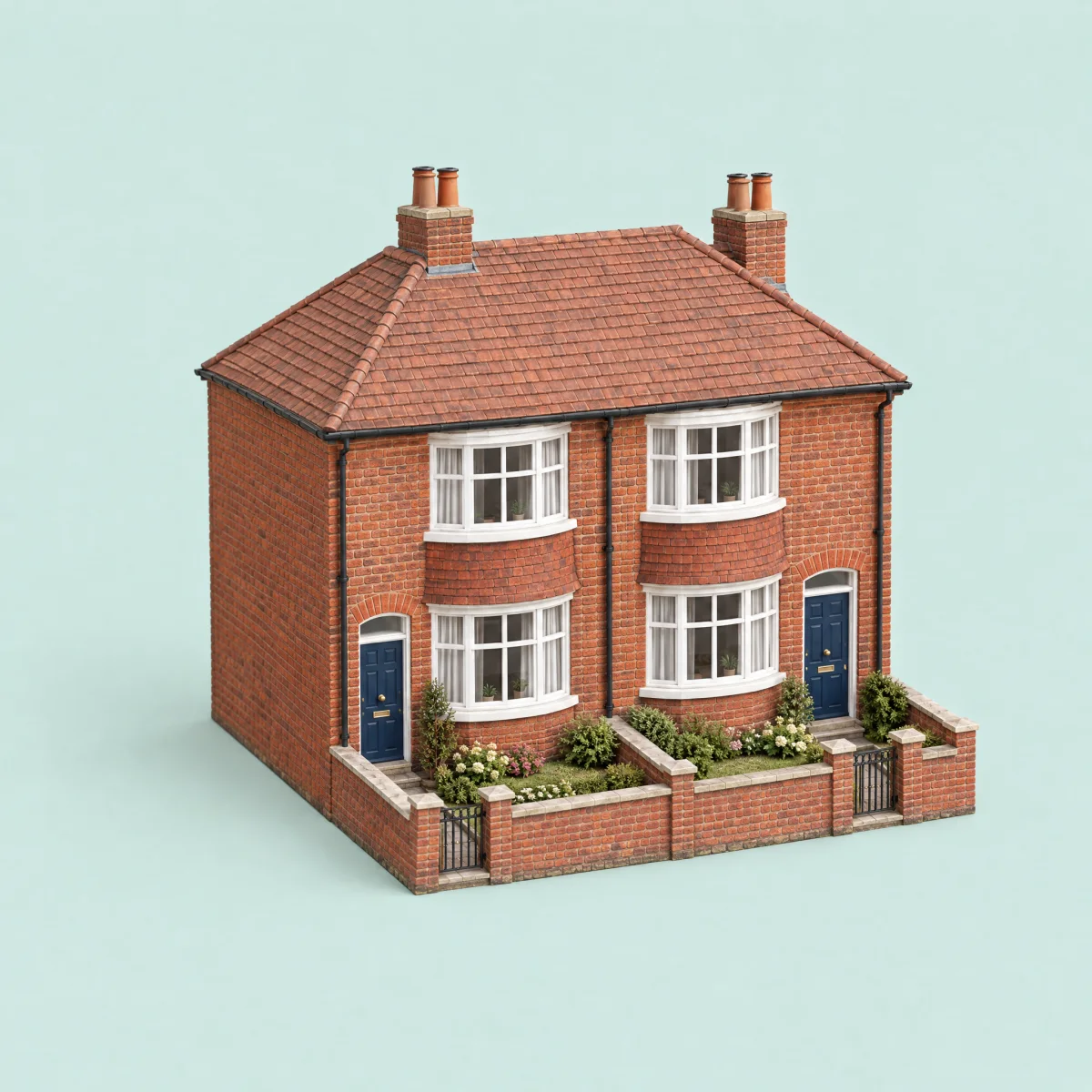
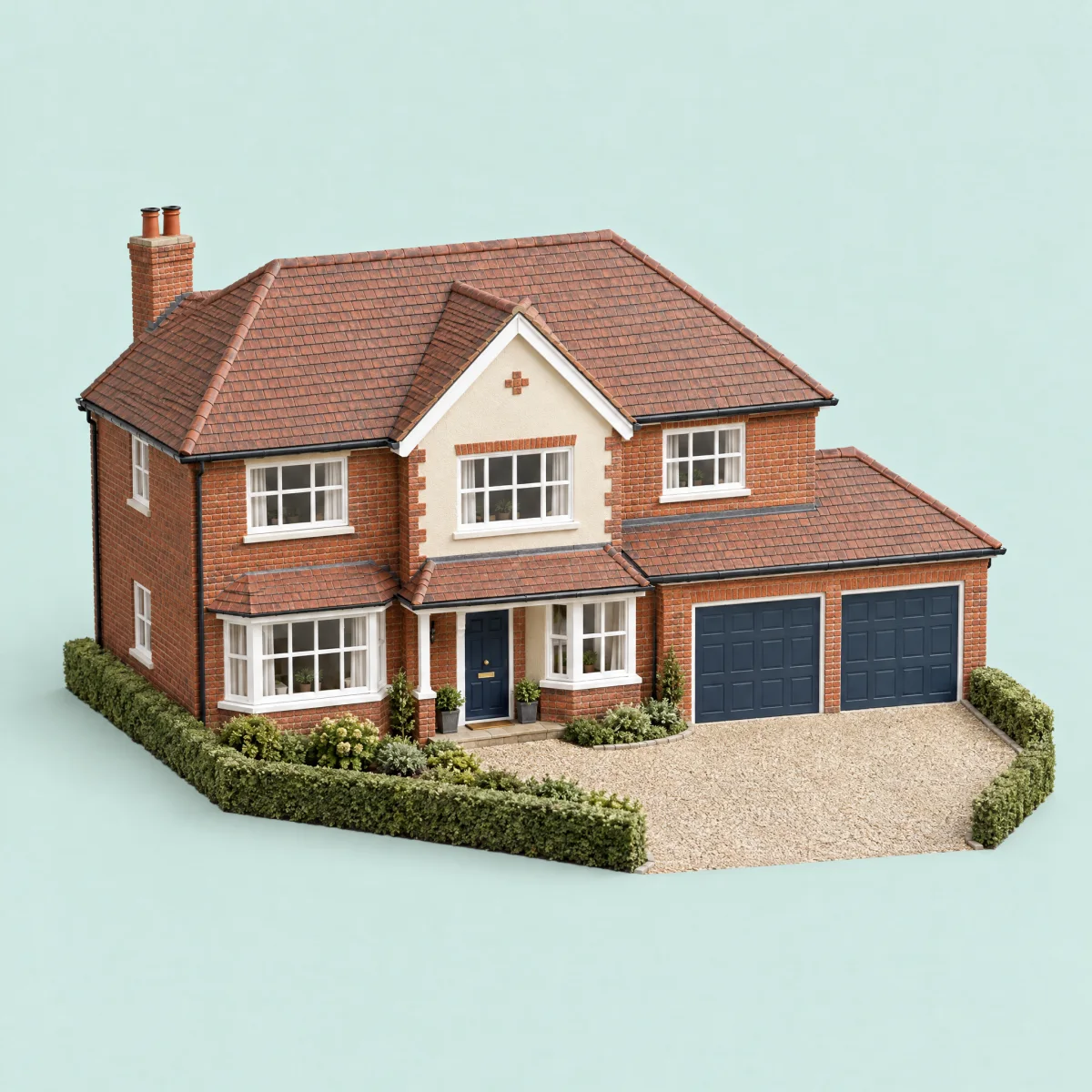
The Energy Saving Trust puts a typical 4.5kWp home system at around £7,600. Smaller systems start at about £5,000, and larger ones can cost £13,000 or more.
Cost per panel
The size of your home sets the system size. These are the other things that move the number up or down.
The smaller your roof space, the fewer solar panels you’ll need.
High-energy households generally require higher-wattage systems, which cost more.
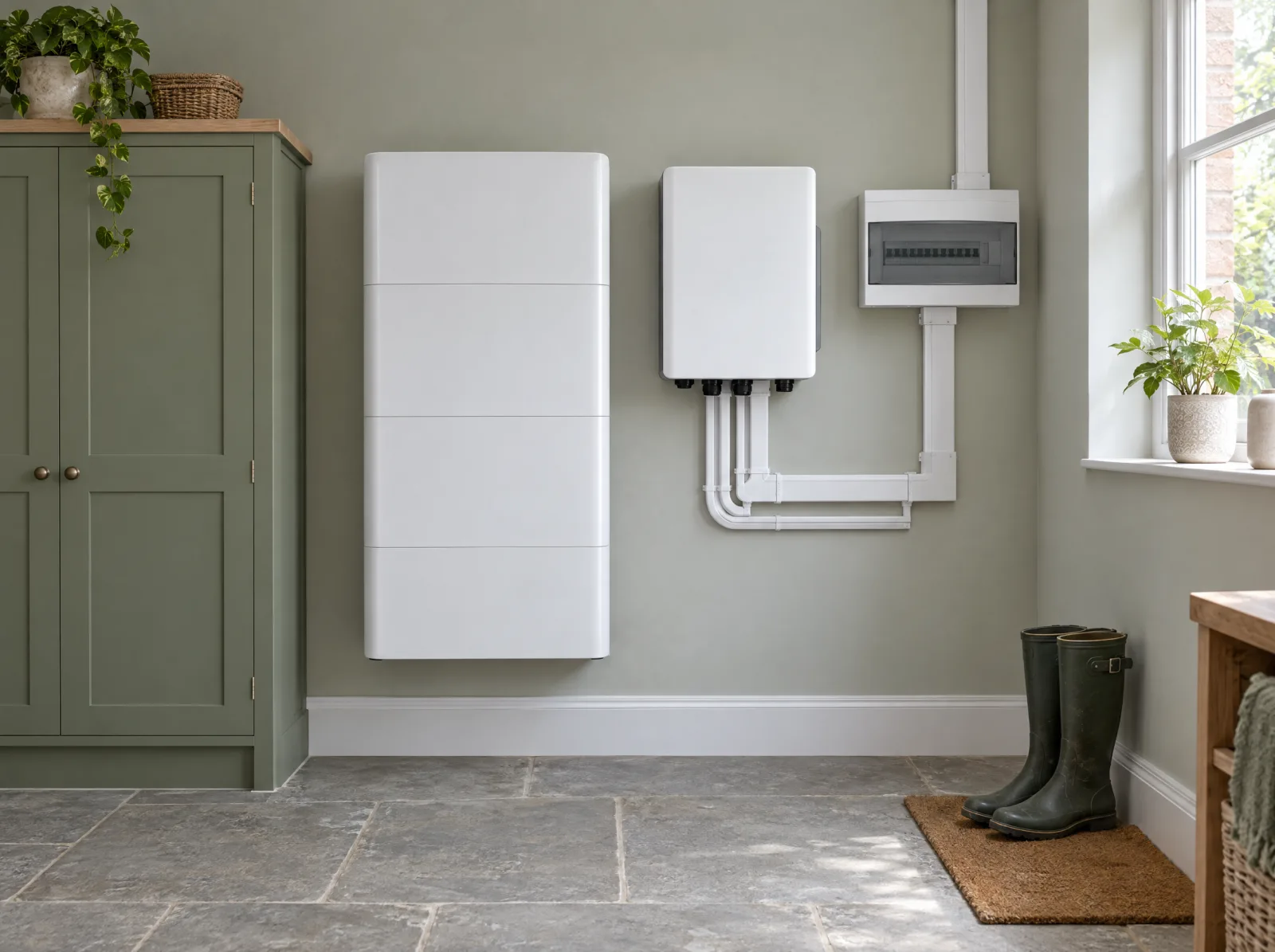
If you want to add a solar battery, it will typically cost you between £1,500 and £10,000 with the average cost landing around £4,600.
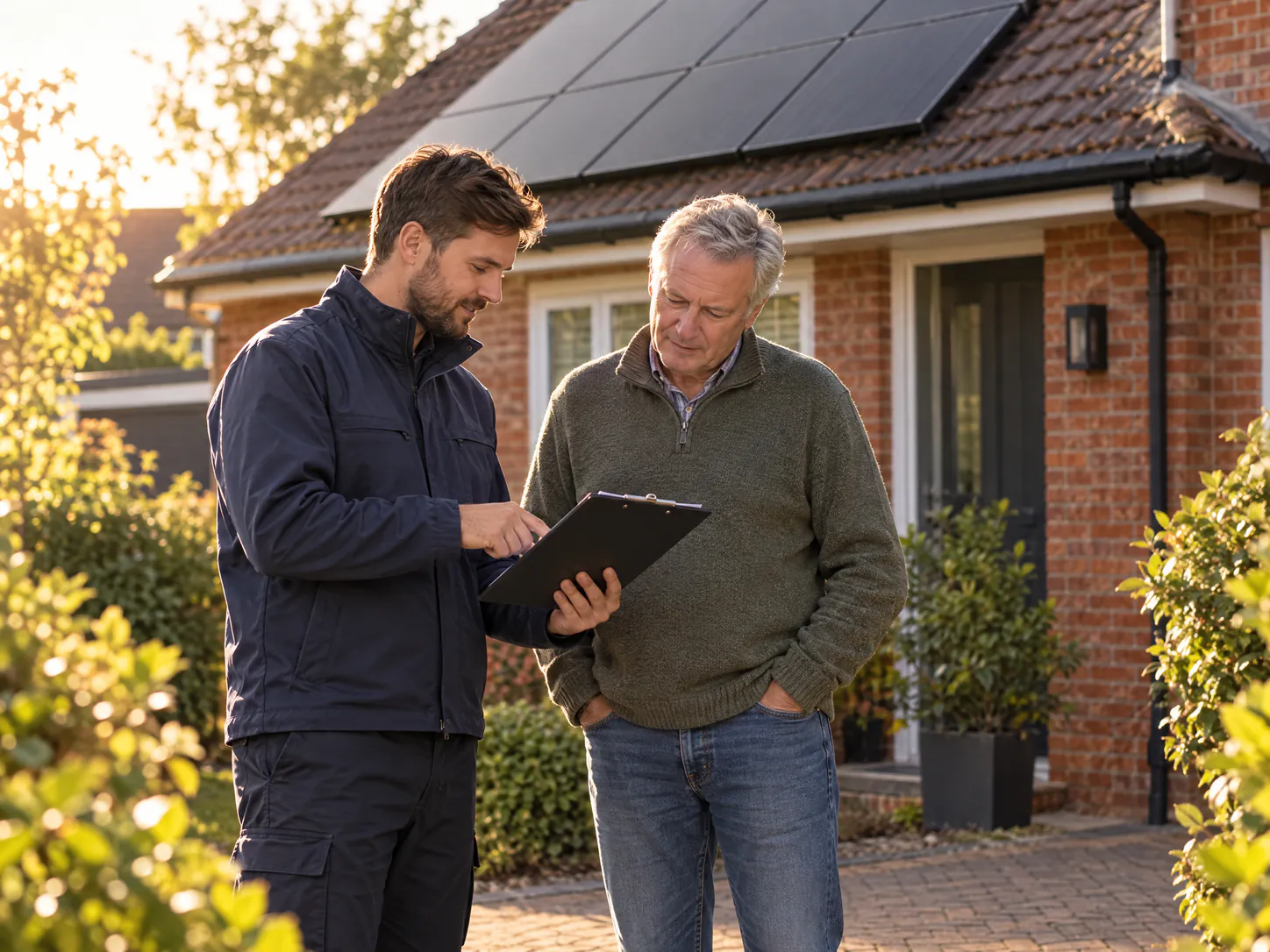
Every installer in our network is carefully vetted for industry standard compliance, holds the required certifications, and is committed to delivering the high level of customer service you’d expect. Be confident that your installs are carried out safely and professionally.
Quality installations
The Microgeneration Certification Scheme (MCS) sets quality assurance benchmarks for solar PV installers in the UK. Our installers use MCS-approved solar systems and follow strict standards for technical, design, performance, and health and safety.
Trusted electrical safety standards
A National Association of Professional Inspectors and Testers (NAPIT) membership indicates that renewable energy installers follow strict high standards of electrical safety and compliance.
Compliant business practices
TrustMark-accredited installers have been verified for compliance and trading standards ensuring the utmost financial protection for buyers. Be sure that the installers you talk to follow ethical, compliant business practices.
Customer protection
Home Insulation & Energy Systems Quality Assured Contractors Scheme (HIES) provides customer protection for homeowners seeking home energy or renewable energy installations. It ensures that installers offer insurance-backed guarantees, deposit protection, and dispute resolution.
Accurate & factual figures
The Energy Performance Validation Scheme validates that any estimates or figures given by solar installers are correct, so you’ll never be over-promised and under-delivered.
Local installers across the UK
Yes. Solar panels are a reliable way to cut energy bills, carbon emissions and reliance on the grid, leading to long-term savings and a positive environmental impact. Many homeowners cut energy costs by 55 to 75% a year, and the Energy Saving Trust estimates that a typical system pays for itself in about 9 to 12 years, depending on where you live, when you are paid for the electricity you export.
A typical solar panel system will last, on average, 25 years, though monocrystalline solar panels can last up to 40 years. After this, they start to degrade.
Let's debunk this myth: yes! Solar panels generate energy from daylight, which means any visible light hitting the panels will be converted into electricity. While you'll get more output on a bright, sunny day, your solar panels will be generating energy on cloudy (and even rainy) days, too.
In most cases, no, you don't need planning permission to install solar panels on a residential property. However, there are a few exceptions, such as if you live in a listed building, conservation area, or flat.
Some households can. In England, the Warm Homes: Local Grant can fit solar panels at no cost where a home survey recommends them and your household qualifies. Most funded schemes are means-tested, and Northern Ireland has no standalone solar grant.
Yes. It doesn't cost you anything to enquire, and there's no obligation to accept a quote or book an install.
Whether you’re just starting to explore solar or are ready to install, we help you make the right decision at every step of your journey.