Buying guides
12 November 2026
Want to stay warmer during the winter while still saving money on energy bills? We help you choose the right type of insulation for your loft, walls, and floors at the best price. Explore insulation types, costs, grants, and more to help you decide, and get a free quote when you’re ready to install.
£550 to £20,000
2 to 40 years
up to £500 a year

Up to £500 a year
35 to 45% less CO2
Warmer and cooler
A, B or C
Less damp and mould
Are you looking to insulate your entire house, or just a specific area? From lofts to ground floors and the walls in between, there’s an insulation solution that’s just right for you.
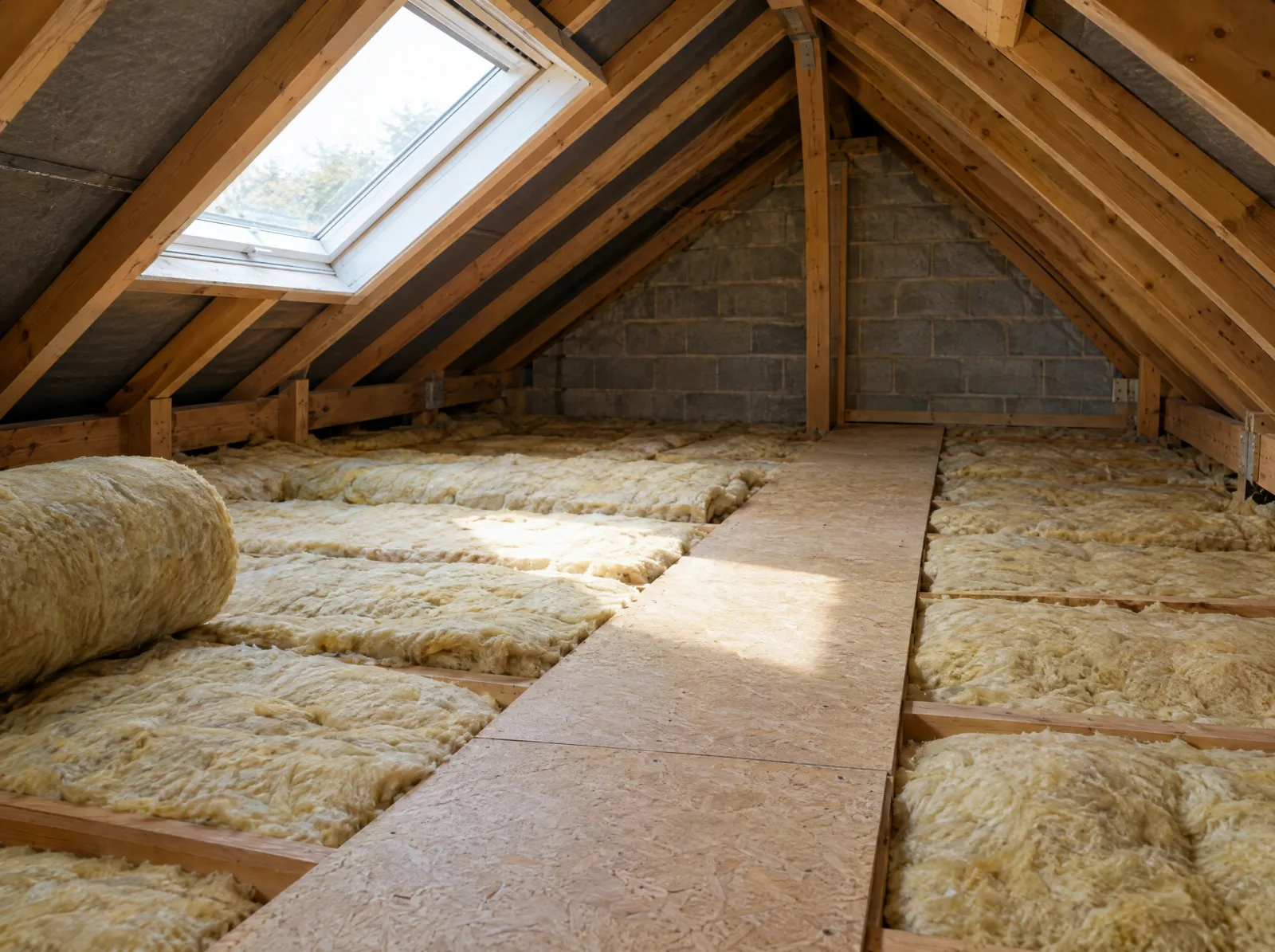
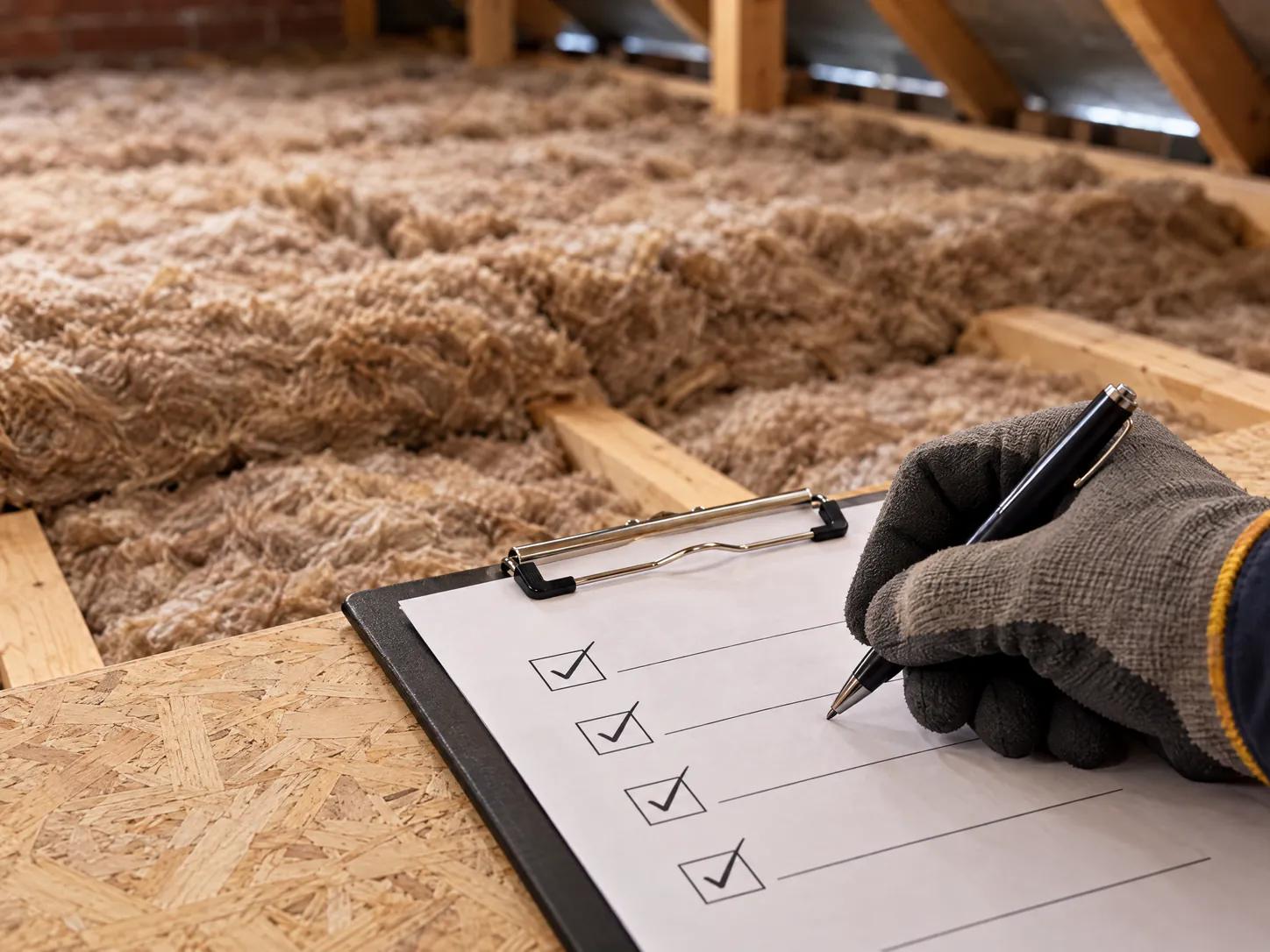
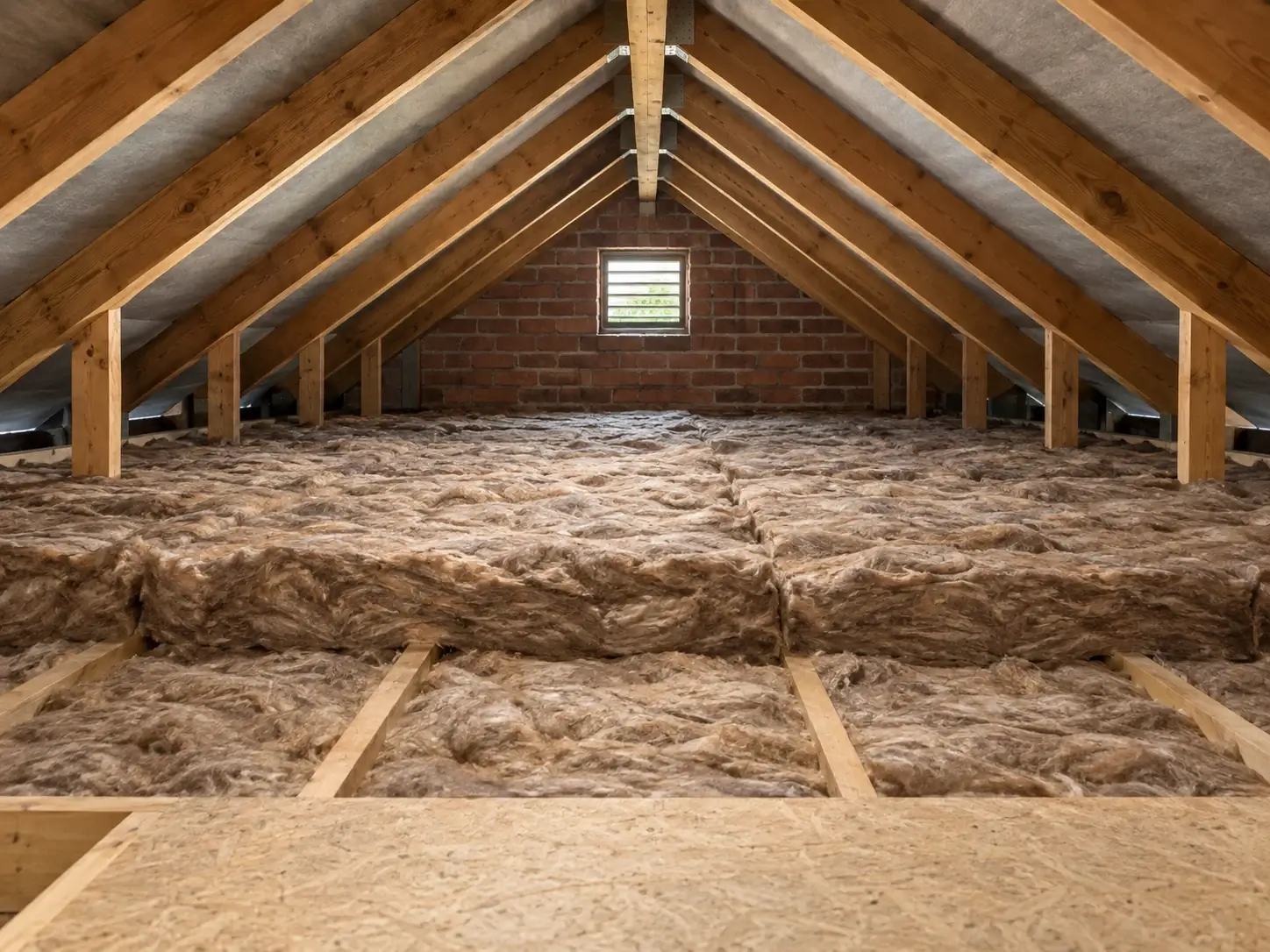
Whether you use your loft as a living space or simply for storage, insulating your roof and loft areas helps to keep heat where it belongs. Keep loft conversions warm during winter and cool during summer or prevent heat from escaping into unused loft spaces.
£650 to £1,200
25%
2 years
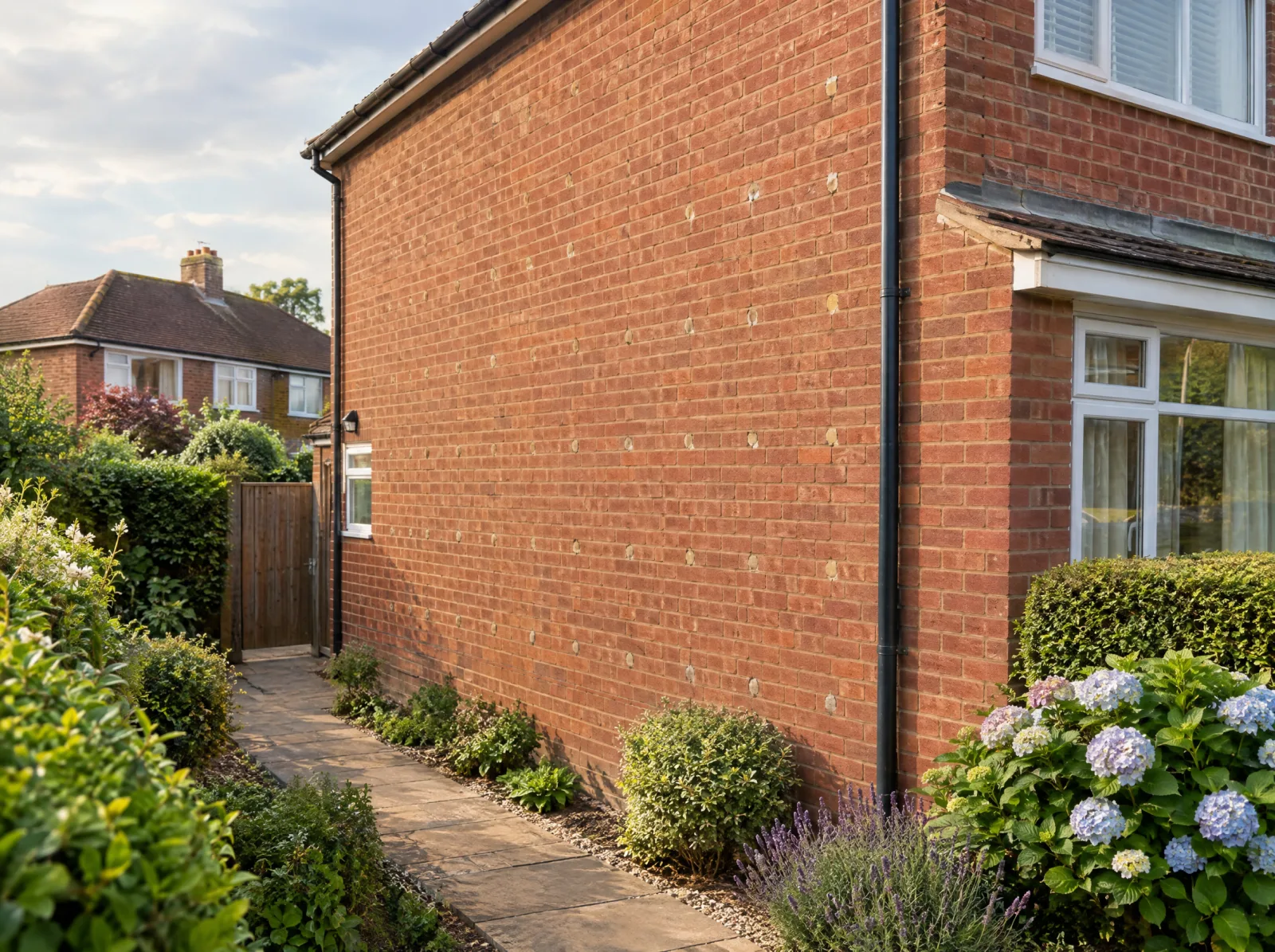
Looking for high energy savings and efficiency at an affordable cost? Cavity wall insulation creates a thermal barrier between your inner and outer walls. This prevents 35% of heat from escaping, keeping your house warm and your energy costs down.
£1,000 to £2,200
35%
5 years
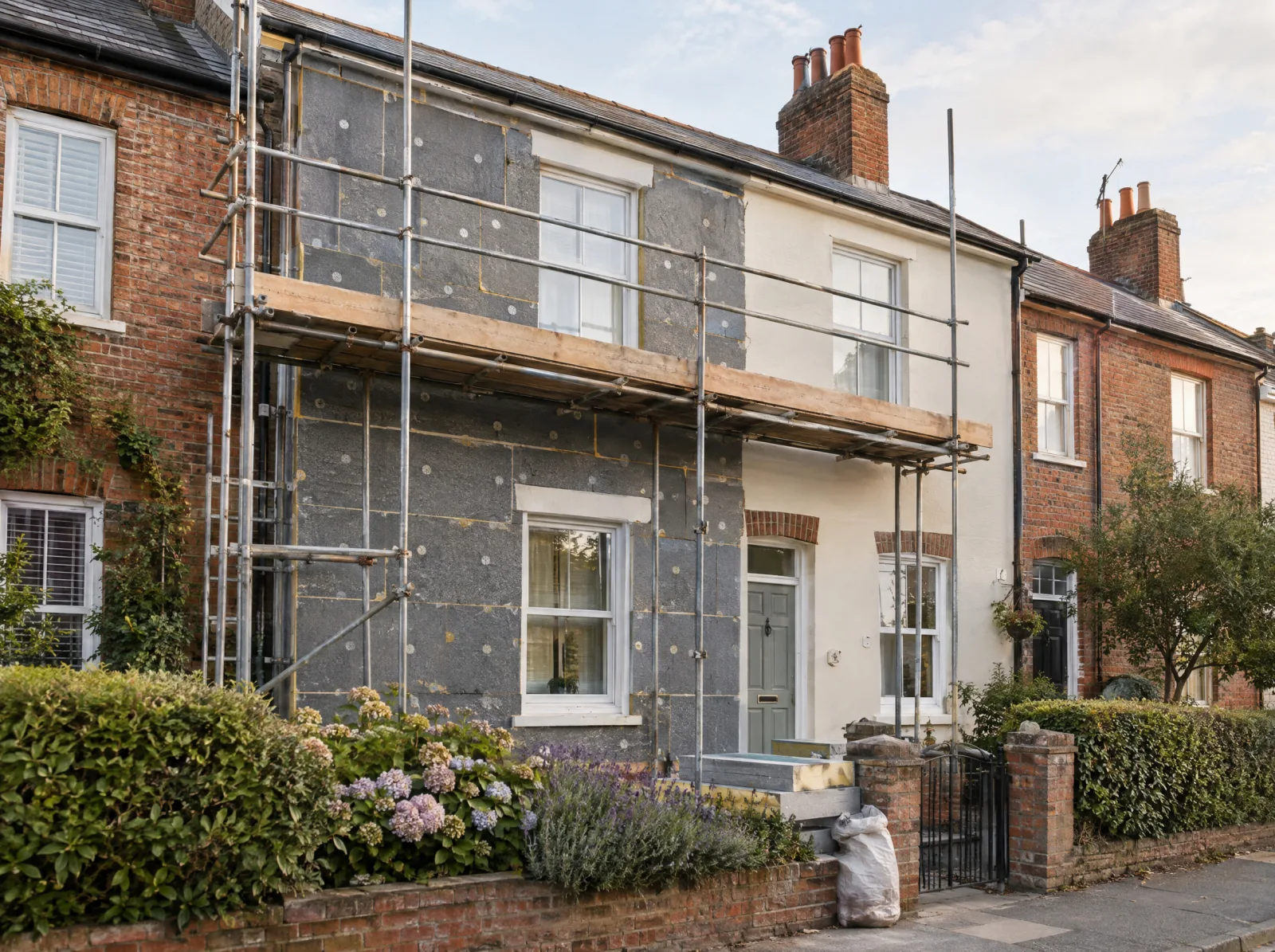
Was your home built pre-1920? Most older homes have solid walls, which leak around 45% of the heat you generate. Apply solid wall insulation internally or externally to significantly increase energy efficiency and cut your energy bills by as much as £500 a year in a detached home (Energy Saving Trust, July 2026 prices). Internal work runs from £4,000 to £12,000 and pays back in 15 to 25 years; external work runs from £10,000 to £20,000 and pays back in 25 to 40 years.
£4,000 to £20,000
35 to 45%
15 to 40 years
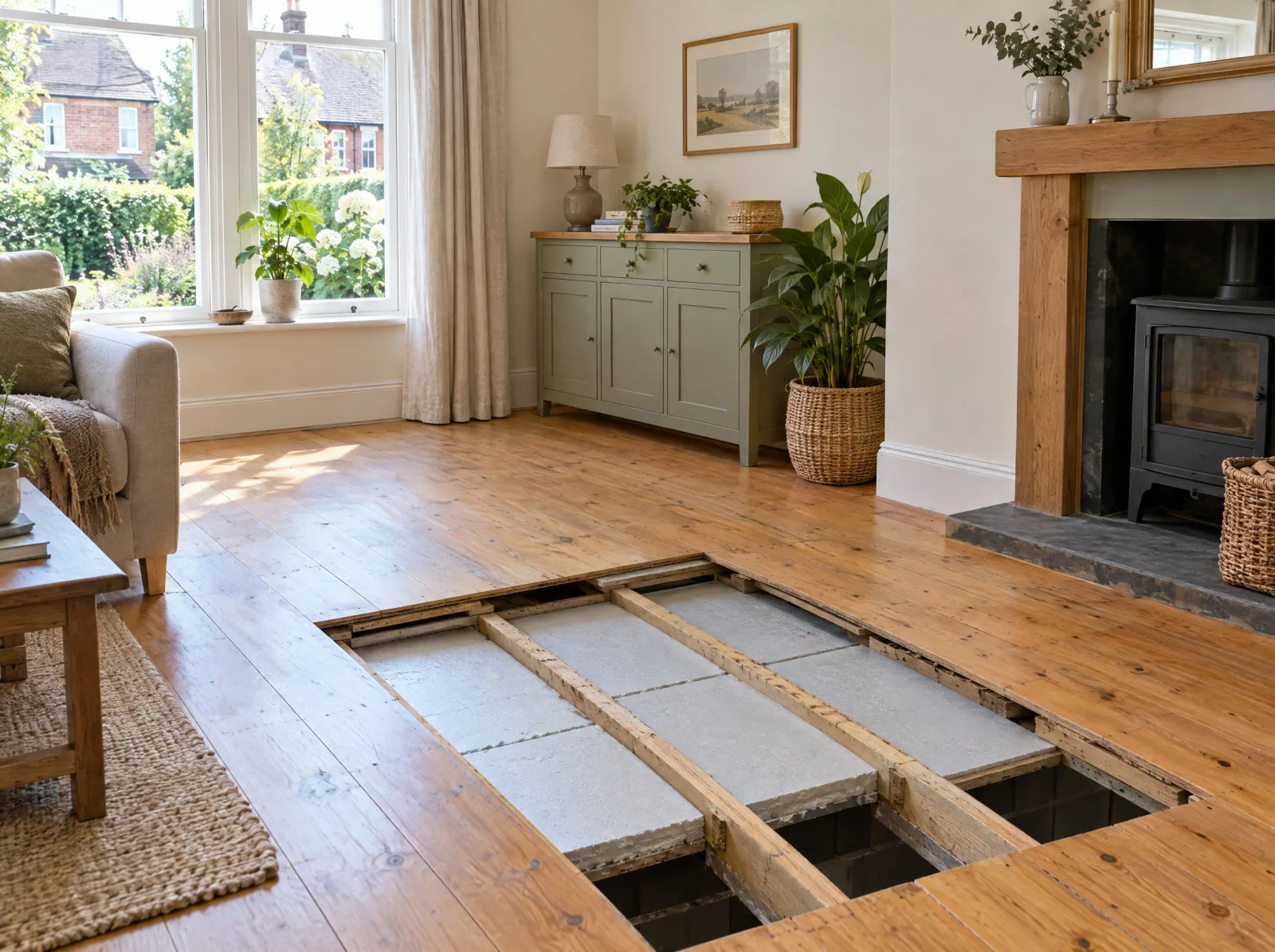
If you have cold floors, it means heat is leaking through your floorboards and costing you money. Underfloor insulation keeps your feet, and your home, toasty through the colder months, reducing energy bills and paying back your investment within 10 years.
£550 to £1,100
15%
10 years
Average cost
Estimated heat loss
Payback
Home insulation prices vary depending on the size of your property, the materials used, and where you live. We help break down insulation costs to find you the best deal.
Average cost
The type of insulation you want isn’t the only thing affecting costs.
Insulating a small bungalow is cheaper than insulating a large, detached house. For cavity wall insulation, a bungalow runs £800 to £1,000, a terraced home £900 to £1,200, a semi-detached £1,200 to £1,800 and a detached house £1,800 to £2,500.
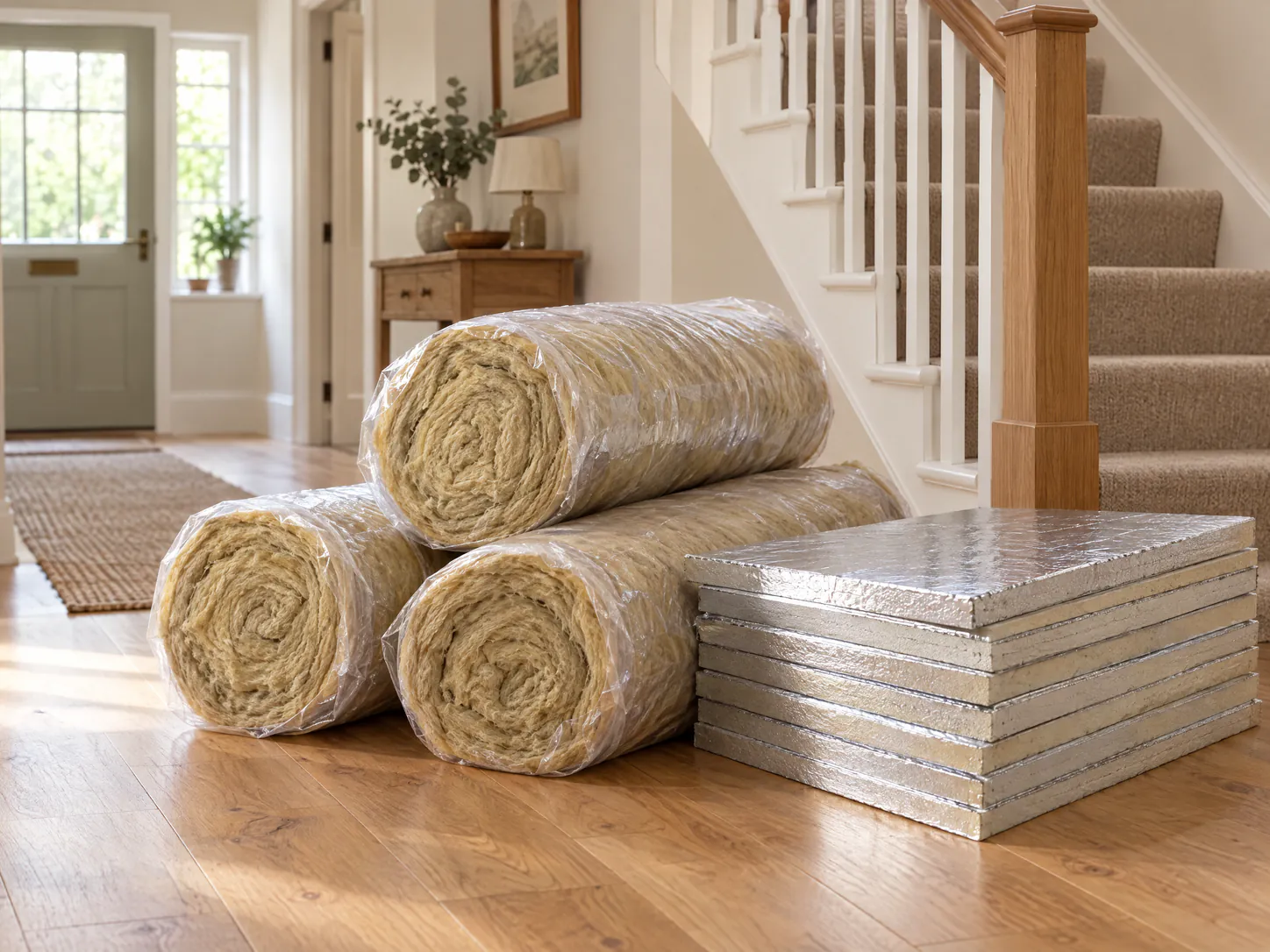
From fibreglass and mineral wool to rigid foam boards, there are plenty of affordable and premium insulation materials to choose from depending on the area you’re insulating.
Is your loft accessible? Do you want a full insulation retrofit, a top-up, or a replacement? The complexity of the job will affect your final price.
London and the south east run higher than the rest of Great Britain. Northern Ireland differs in both directions, costing more for loft and less for cavity wall.
Damp, cracked render, failing gutters and non-standard construction all have to be dealt with before insulation goes in, and that work is quoted separately.

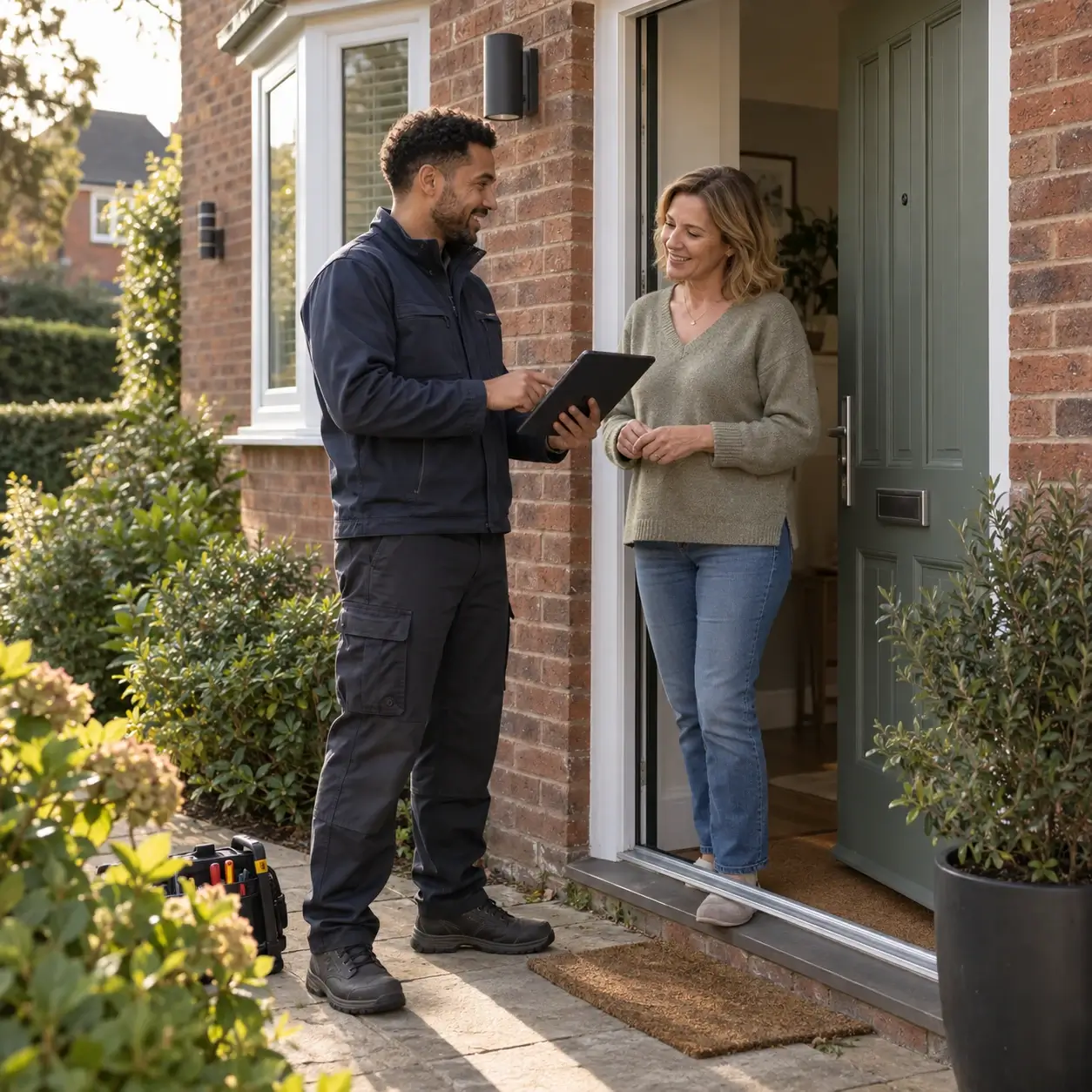
Our installers hold recognised industry certifications and accreditations that demonstrate their commitment to carrying out professional, safe, and high-quality jobs. Here are just a few of the credentials our installers have:
Strict quality compliance
We verify that installers are members of at least one of the following organisations: The National Insulation Association, The Cavity Insulation Guarantee Agency, and The British Urethane Foam Contractors Association. All ensure that installers maintain strict quality and compliance.
Compliant business practices
TrustMark-accredited installers have been verified for compliance and trading standards ensuring the utmost financial protection for buyers. Be sure that the installers you talk to follow ethical, compliant business practices.
Customer protection
Home Insulation & Energy Systems Quality Assured Contractors Scheme (HIES) provides customer protection for homeowners seeking home energy or renewable energy installations. It ensures that installers offer insurance-backed guarantees, deposit protection, and dispute resolution.
Quality, safety and compliance
If you are using a grant, be assured that your installers are PAS-certified. This means that they follow the exceptionally high standards of quality, safety, and compliance under industry and government guidelines, laid out by the BSI.
Local installers across the UK
Absolutely. Insulation is specifically designed to regulate the temperature of your home. This means your home retains more heat when the temperature drops, saving you hundreds of pounds on energy per year (all while keeping you nice and warm). Plus, payback starts at as little as 2 years for loft insulation.
Most homes are suitable for loft, floor, and wall insulation. However, the exact type of insulation you can have depends on your property's age, condition, accessibility, and other factors. Use our insulation guides to help you choose the best type of insulation for you.
If you qualify, yes. In England, the Warm Homes: Local Grant pays for the insulation your home survey recommends, and homeowners pay nothing for the agreed work. Scotland, Wales and Northern Ireland run their own schemes, set out on our insulation grants page.
Yes, completely. Any quote you receive is free to get, with a no-obligation-to-buy guarantee.
Correctly specified and correctly installed insulation should not. Problems arise when a home is made more airtight without anyone considering how it ventilates. Installers working to the TrustMark framework are required to assess ventilation as part of the job, which is one of the reasons we only match you with registered installers.
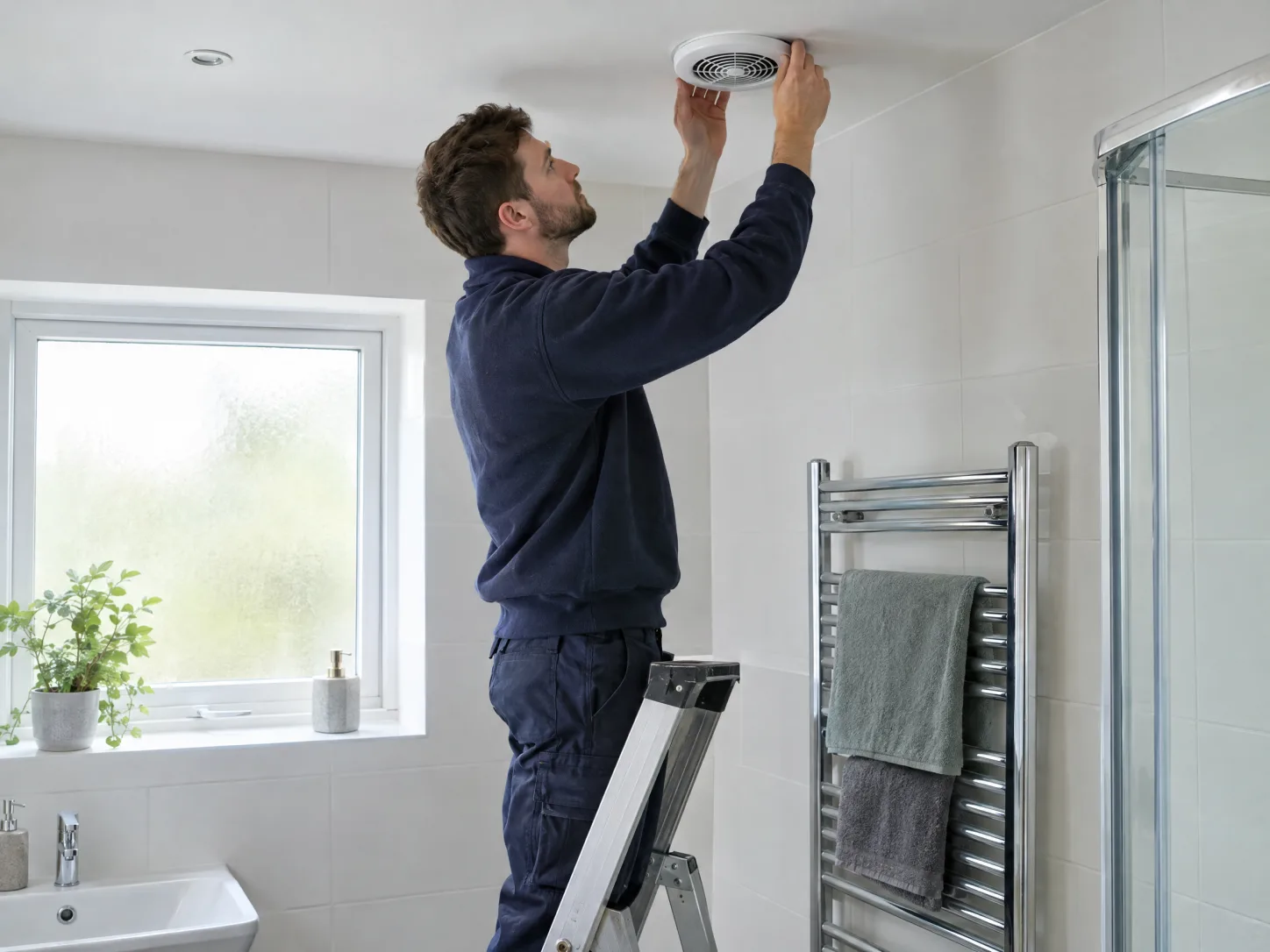
Whether you’re still deciding where to insulate first or have your type picked and are ready to purchase, we offer guides, advice and tips to help you every step of the way.