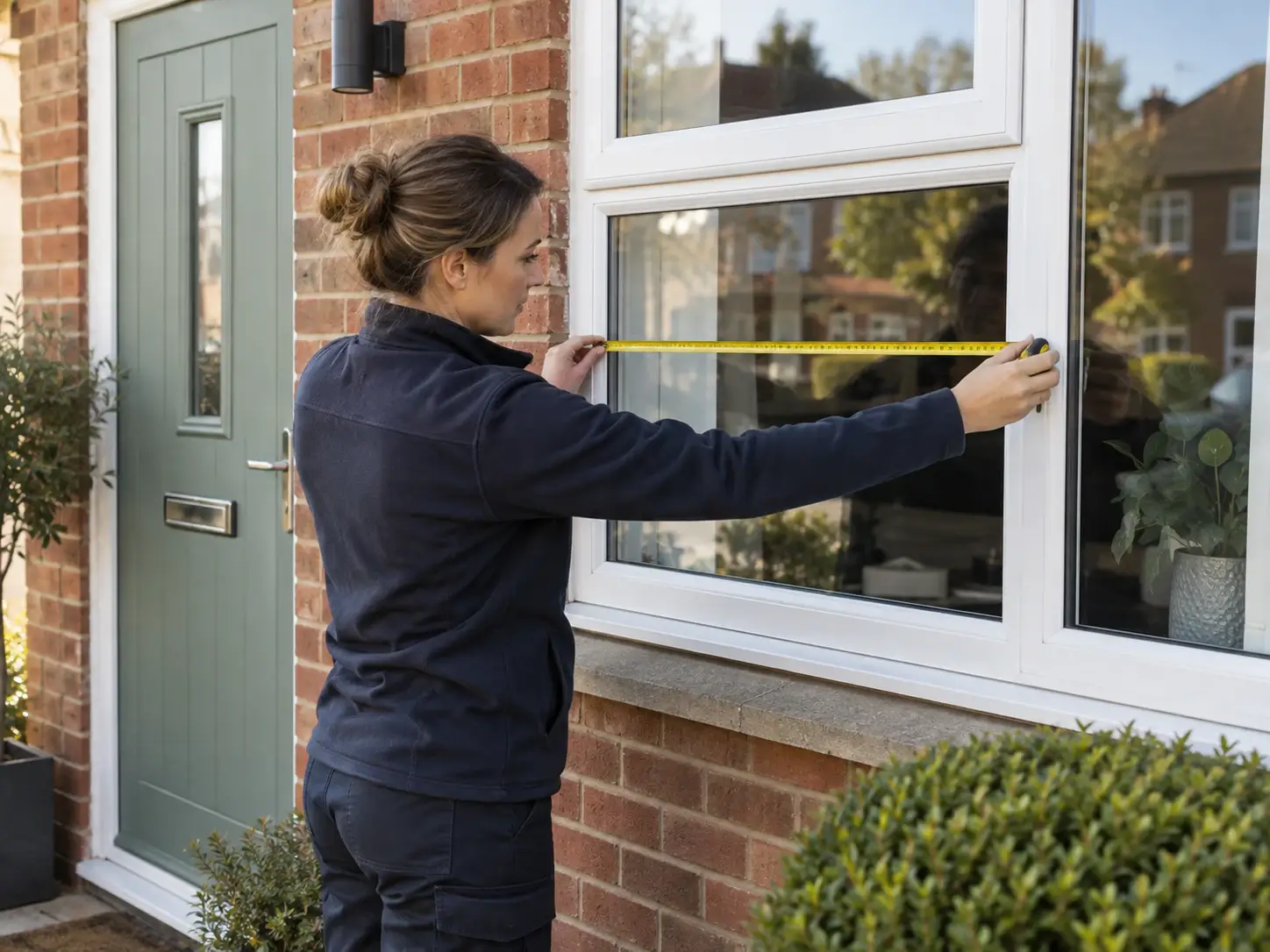
- New windows and doors lower energy bills, saving £85 a year in Great Britain and £140 in Northern Ireland.
- Frame materials, uPVC, timber, aluminium and composite, each suit different budgets, styles and maintenance appetites.
- Double and triple glazing reduce heat loss by cutting out draughts and cold spots.
Replacing your windows and doors is one of the most worthwhile upgrades you can make to your home, and not just for the aesthetics.
Poorly fitted, single-glazed windows and doors leak heat, and money. With the average gas bill currently sitting at £948.95 a year, and set to rise alongside the Ofgem price cap, UK homeowners cannot afford to let a sliver of heat go to waste.
This guide walks through the best materials for energy-efficient windows and doors, along with styles, features, costs and savings. Plus how to find an installer you can actually trust, so you end up with a high-quality job.
Why buy new windows and doors?
Old, worn windows and doors do more than let in a draught. They quietly push your energy bills up every day. Here is what an upgrade typically delivers.
Lower energy bills
As energy prices continue to climb, installing double glazing is one of the best low-cost investments you can make in your home, alongside loft insulation and a condensing boiler. With potential savings of about £85 a year in Great Britain (£140 in Northern Ireland), and much more if you add a new boiler to the project, you could take a noticeable chunk off your heating bills.
Less heat lost, more warmth kept in
Windows and doors are one of the biggest weak points in a home's insulation. Around 10% of the heat in your home is lost through the windows, and 15% is lost to draughts. Energy-efficient windows and doors keep that heat inside, warming your home, reducing cold spots and keeping you comfortable through the colder months.
A better EPC rating
Upgrading your glazing is one of the fastest and most straightforward ways to improve your home's Energy Performance Certificate rating. That is useful if you are selling, remortgaging or letting the property, where minimum efficiency standards require an EPC of at least E.
Stronger security
Modern windows and doors come with multi-point locking, toughened or laminated glass, and reinforced frames as standard, a world away from the single-latch designs found on older properties. Many insurers now ask about glazing and door specifications when calculating premiums.
Less condensation, fewer health risks
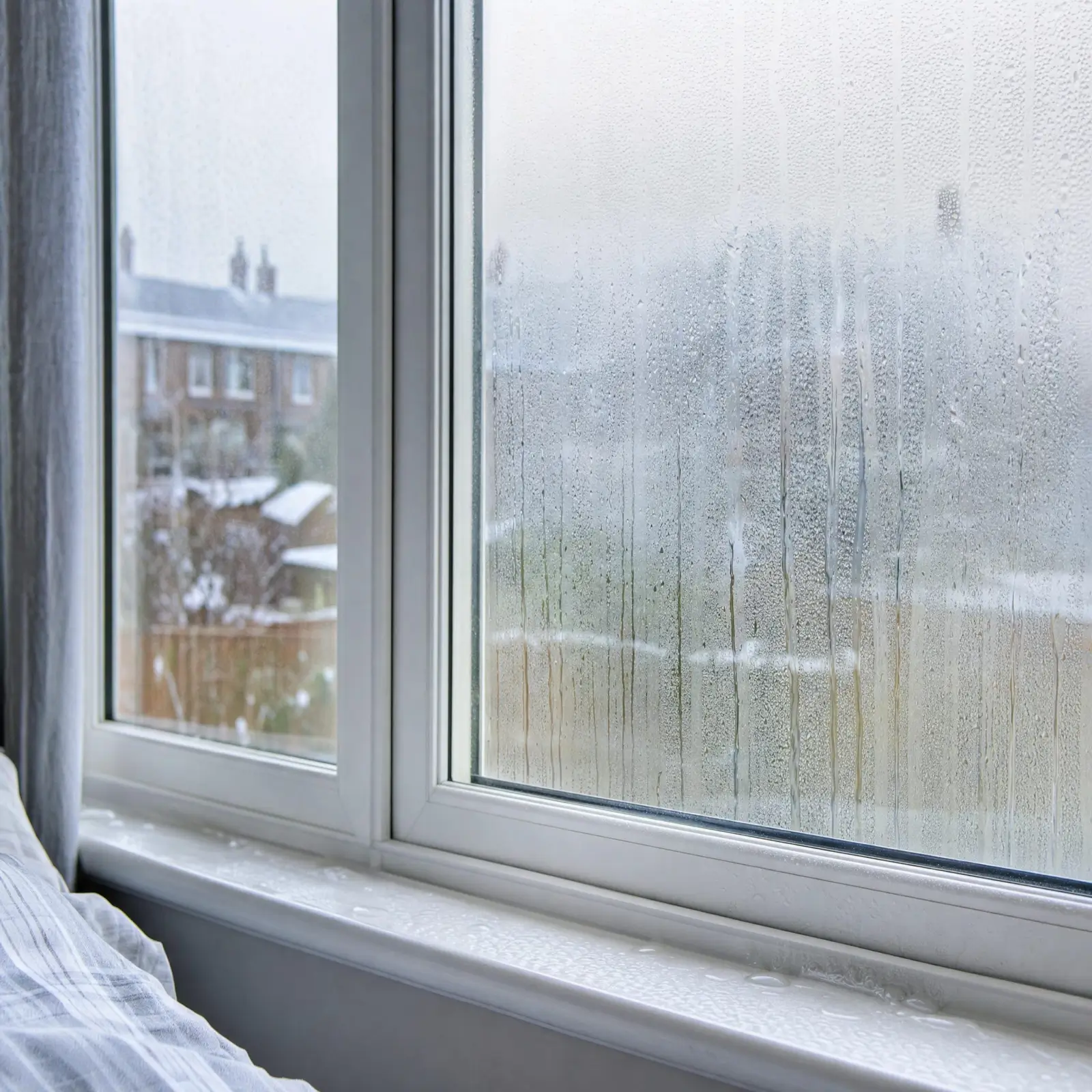
Improving insulation reduces the cold surfaces that cause condensation and, over time, mould. GOV.UK estimates that as many as 6.5 million households could have damp and mould, which contributes directly to asthma, respiratory infections and poor mental health.
Kerb appeal, and resale value
New windows and doors are one of the first things a buyer notices, and one of the first things a surveyor flags if they are tired, rotten or draughty. Industry research by Zoopla, based on a survey of 103 estate agents, found that adding double glazing could increase home value by around 1.05%, or £3,402.
Window and door frame materials
Before you get to styles, it helps to know what you are actually choosing between. Here is the honest rundown.
As a rough steer:
- uPVC suits most budgets and homes, especially rental properties, thanks to low upkeep, long lifespan and weather resistance
- Timber suits period properties and traditionalists willing to put in the maintenance effort for long durability and high thermal efficiency
- Aluminium suits sleek modern extensions, where you want durability, large glazed panels and little upkeep
- Composite suits anyone who wants a premium, timber aesthetic without the maintenance commitment, as long as you are willing to spend
Types of windows for your home
From the widely popular casement to the classic sash, there is a style to suit every aesthetic.
Casement windows
The default choice, for good reason. Hinged at the side and opening outward with a simple handle, casement windows are affordable, energy-efficient and available in uPVC, timber, aluminium or composite.
The pros: cost-effective, they open fully for ventilation, they seal well when closed, and there is a wide range of style choices.
The cons: they can catch in strong winds when open, and opening outward is not ideal near paths or walkways.
Sash windows
Sash windows made their name in Georgian and Victorian homes, and they are still the go-to for period properties, often required in conservation areas. Two panes slide vertically past each other, usually in timber, sometimes in timber-effect uPVC or aluminium.
The pros: timeless character, good ventilation control, and well suited to listed and heritage properties.
The cons: generally pricier and, historically, less efficient than casements. Modern double-glazed sash units close that gap considerably.
Bay and bow windows
Bay windows project outward in angled sections, usually three, while bow windows use a gentler curve. Both add floor space, flood a room with light, and often become the feature of a room.
The pros: lots of natural light, extra space, and genuine wow factor.
The cons: more expensive because of the structural support needed, and more glass to insulate and maintain.
Tilt and turn windows
Popular across Europe and increasingly common in the UK, these open two ways from a single handle: tilt inward from the top for background ventilation, or turn fully inward like a door for cleaning or emergency escape.
The pros: excellent ventilation control, easy to clean from indoors, and good security when tilted.
The cons: because they open inward they need clear space in front, and they can be awkward with curtains or blinds hung too close.
Roof and skylight windows
Fitted directly into the roofline, these bring natural light into lofts, extensions and stairwells that would otherwise stay dark. They are the perfect companion to a loft conversion, keeping the space ventilated while insulation controls the temperature.
The pros: transforms dark spaces, adds light without sacrificing wall space, and can open for ventilation.
The cons: installation is more involved and pricier, and glare and heat gain need managing with the right glazing or blinds.
Types of doors for your home
Want a sturdy new door that keeps the cold out? Here are the front and back doors UK homeowners love right now.
Composite doors
Built from a mix of materials, usually a timber core, a GRP or uPVC skin and insulating foam, composite doors are the current favourite for front doors.
The pros: excellent security and insulation, low maintenance, and they do not warp or fade like solid timber.
The cons: more expensive than uPVC and much heavier, so they need a good-quality frame and hinges.
French doors
Two glazed doors that open outward or inward from the centre, typically leading to a garden or balcony.
The pros: a classic, elegant look, full opening when both doors are used, and they work well in relatively narrow openings.
The cons: both doors need to be open for full access, and they are slightly less weatherproof than sliding options in exposed spots.
Patio (sliding) doors
Large glazed panels that slide horizontally along a track rather than swinging open.
The pros: they do not intrude into the room or garden when open, ideal for smaller or furniture-heavy spaces, and they let in plenty of light.
The cons: only around half the opening is usable at once, unless you use a multi-slide system, and the tracks need occasional cleaning.
Bi-fold doors
A series of glazed panels that fold back concertina-style, opening up almost the entire width of a wall.
The pros: the widest possible opening, brilliant for indoor-outdoor living and extensions, with real garden appeal.
The cons: the priciest door option here, and they need clear stacking space to fold back into.
Features to consider
Once you have settled on materials and styles, the little details make all the difference.
Colours and finishes. Gone are the days of white, or white. Most uPVC and composite ranges now offer woodgrain foils, dual colours with a different shade inside and out, and full colour charts running from anthracite grey to heritage green.
Glazing and energy efficiency. Look for Low-E glass, argon or krypton-filled sealed units, and a Window Energy Rating, graded A++ to E much like a fridge's energy label. Triple glazing pushes efficiency further still, though the extra savings need weighing against the extra cost.
Security. Multi-point locking, laminated or toughened glass and reinforced frames are now the baseline. Look for PAS 24 certification, the UK's enhanced security standard for doors and windows, or products carrying Secured by Design accreditation.
Privacy and light. Obscure, frosted or tinted glass lets you keep the light without the line of sight, useful for bathrooms, ground-floor rooms or doors near a street. Integral blinds, sealed between the panes, are another popular option for patio and French doors.
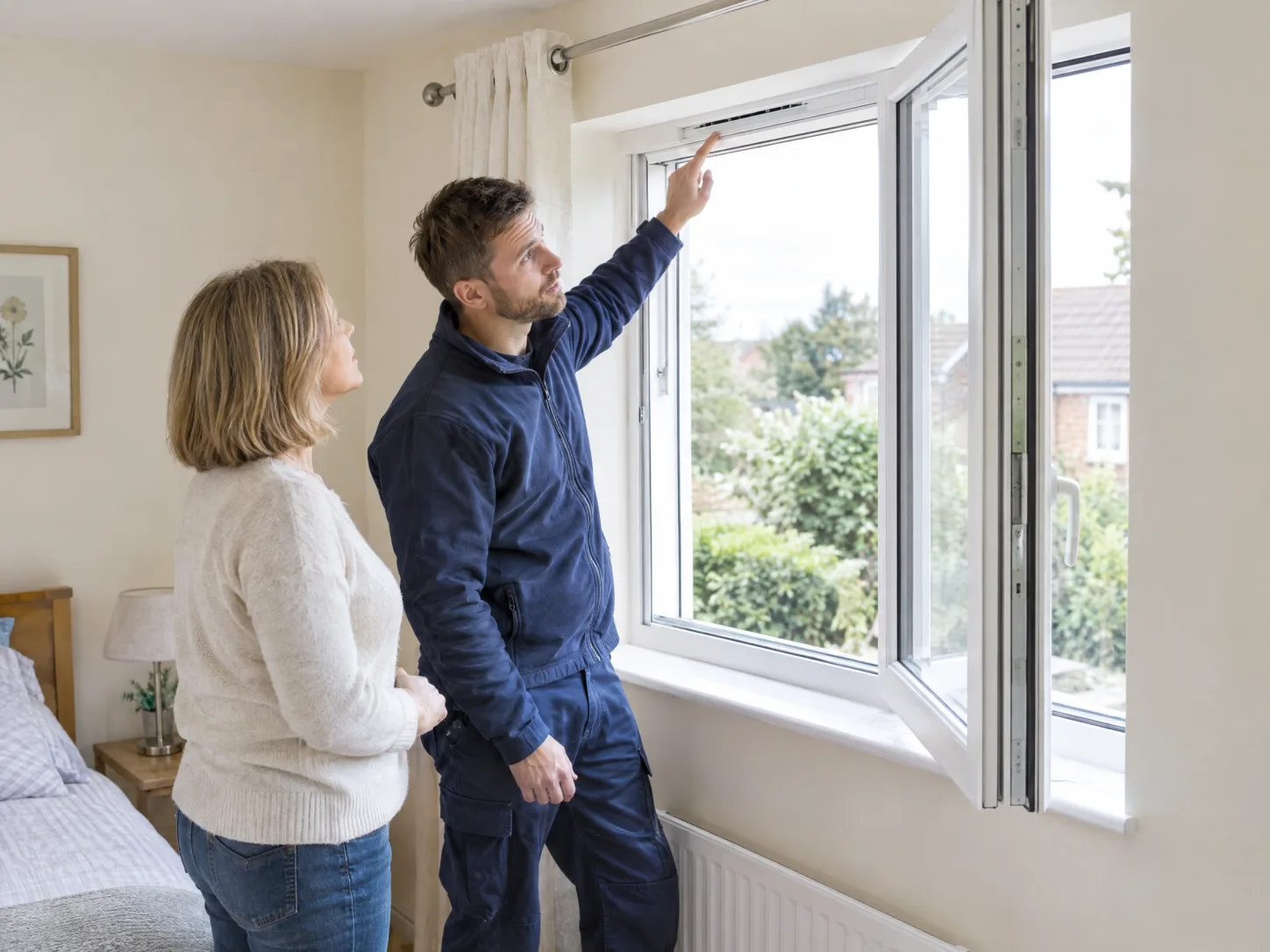
Ventilation. Trickle vents allow a small amount of background airflow even when windows are shut, which helps manage condensation, particularly in newer, well-sealed homes. Easy-clean hinges, which let the window rotate for cleaning from indoors, are worth asking about too.
Noise reduction. If you are near a busy road, acoustic laminated glass can meaningfully cut outside noise compared with standard double glazing. Worth mentioning to your installer if peace and quiet is a priority.
Warranties and guarantees. Check what is covered and for how long: frames, glass units, hardware and installation often carry separate warranty periods. An insurance-backed guarantee means you are still protected even if the installer goes out of business.
How to buy new windows and doors: costs and grants
Once you know what you want, it is time to talk numbers.
New window and door costs
Prices vary widely depending on material, size, style, and how many windows or doors you are replacing. As a general rule, uPVC casements sit at the more affordable end, while aluminium bi-folds and timber sash windows sit at the more premium end. Our windows and doors costs page sets out current average costs by window and door type.
Window and door grants
Depending on your circumstances, whether that is income, benefits, EPC rating or where you live, you may be eligible for a grant or scheme that covers some or all of the cost of energy-efficient glazing. Eligibility criteria and scheme names change fairly regularly, so it is worth checking your current options rather than relying on last year's rules.
How much could I save?
The Energy Saving Trust estimates that swapping single glazing for A-rated double glazing saves a typical household in Great Britain around £85 a year on heating, with detached homes often saving more. In Northern Ireland that rises to £140 a year.
The jump from single to double glazing delivers by far the biggest saving. Triple glazing adds a smaller but real improvement, and tends to make most sense in colder regions, north-facing rooms, or homes aiming for very high efficiency standards.
Finding and comparing window and door installers
The product matters, but the installer matters just as much. A brilliant window badly fitted will still let the draught in. Here is how to choose well.
Do your research. Look beyond the homepage: check independent reviews rather than just testimonials on the installer's own site, ask to see examples of previous work, and see how long they have been trading. Be wary of anyone who can start tomorrow and finish by the weekend, because good work takes proper planning.
Understand your needs first. Before you get quotes, be clear on your priorities, whether that is energy efficiency, security, aesthetics or budget. It helps you narrow the options down to what actually matters to you.
Check certifications. A FENSA or CERTASS-registered installer can self-certify that your new windows and doors meet Building Regulations, so you are not left arranging separate sign-off, and you will need that certificate if you ever sell. Membership of bodies like TrustMark is a good extra sign of a properly established business.
Ask the right questions, including:
- How long is the guarantee, and is it insurance-backed?
- Who does the actual installation, direct employees or subcontractors?
- What deposit is required, and how is it protected?
- What is the expected timeframe, from survey to fitting?
- Will you receive a FENSA, or equivalent, certificate on completion?
Get new windows and doors
New windows and doors will not just make your home warmer, quieter and more secure. Done well, they quietly pay you back in lower bills for years to come. The key is choosing the right materials and styles for your home, understanding the features that actually matter, and working with an installer who is properly accredited.
Get new windows and doors
Get a free, no-obligation quote from a vetted, FENSA or CERTASS-registered installer near you.
Free and no obligation. We only share your details with the installers we match you with.
Source: the Energy Saving Trust.
Get new windows and doors
Get a free, no-obligation quote from a vetted, FENSA or CERTASS-registered installer near you.
Free and no obligation. We only share your details with the installers we match you with.
What the accreditations actually mean
Certification is the clearest signal you have that an installer is competent, and that you are protected if something goes wrong. Here is what each one covers.






Keep reading
Condensation on windows: causes and how to stop it
Replacing windows checklist: survey to FENSA certificate
Window and door frame materials compared
Budget, style and how much maintenance you are willing to do decide most of this.
The six window styles you will actually be offered
From the ubiquitous casement to the classic sash.
The six door styles UK homeowners choose most
Front doors and back doors, and what each one is really for.