

Explainer
12 November 2026
It's not just the type of boiler you choose that affects price, but everything from the model and size to the complexity of the job.
Our market research shows that the average cost of a new boiler replacement (product + installation) can range from £1,200 to £4,500+.
£1,200 to £4,500
10 to 15 years
up to £350 a year
The saving depends on the home it heats and the boiler it replaces, and the price on the boiler you choose, so this takes three answers. Every figure is a published estimate, not a personalised quote.
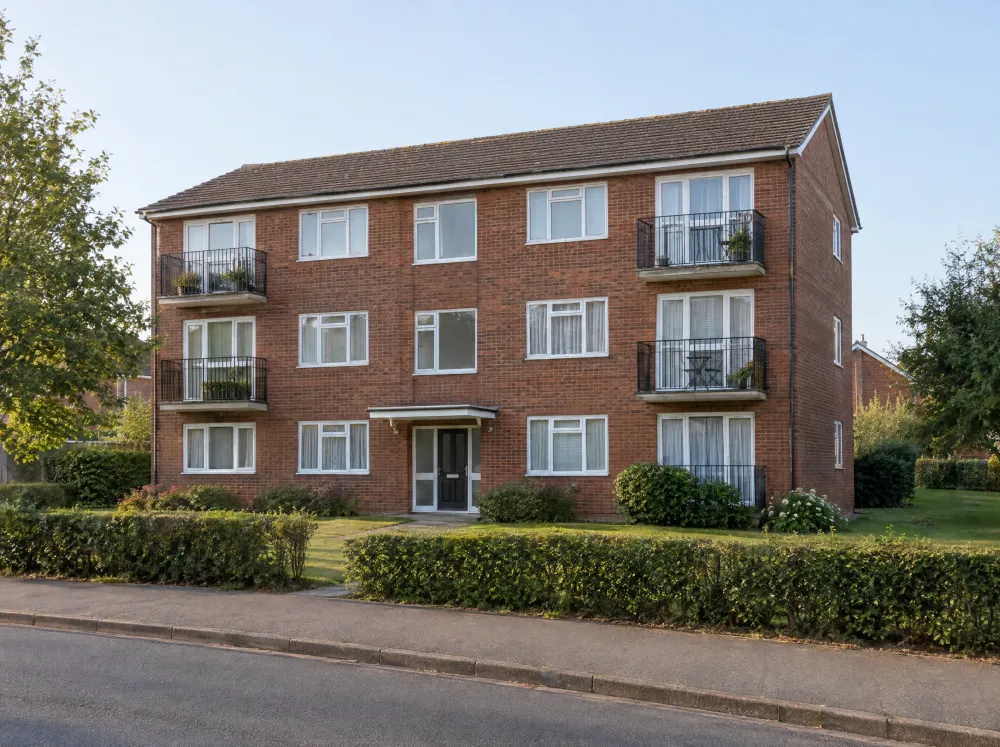
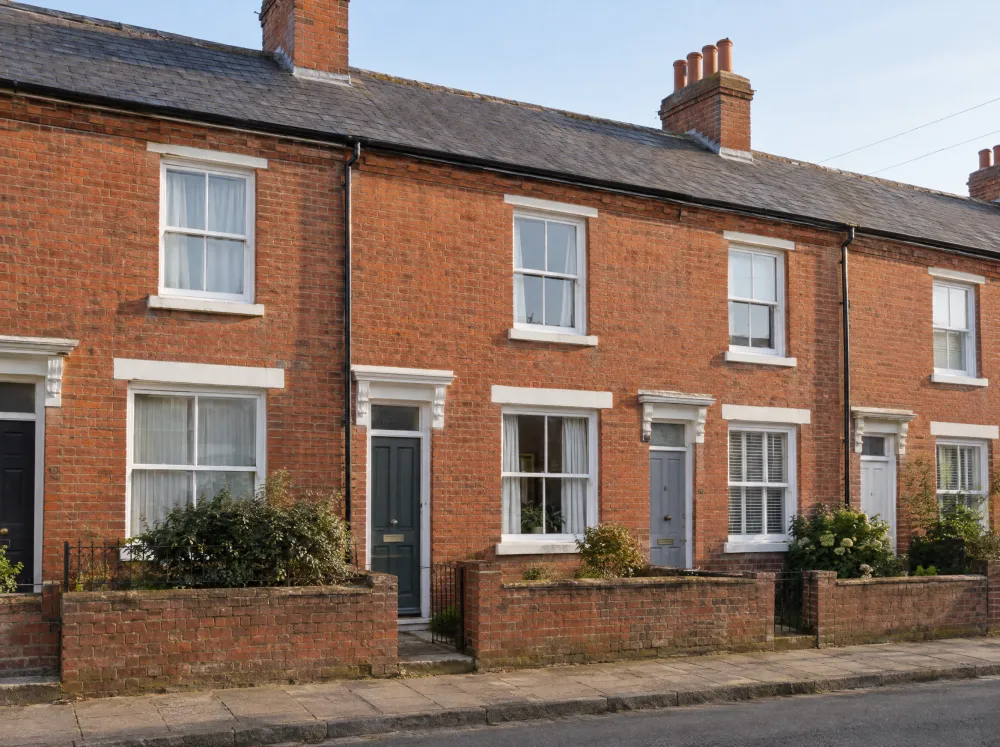
Heating a bigger home saves more
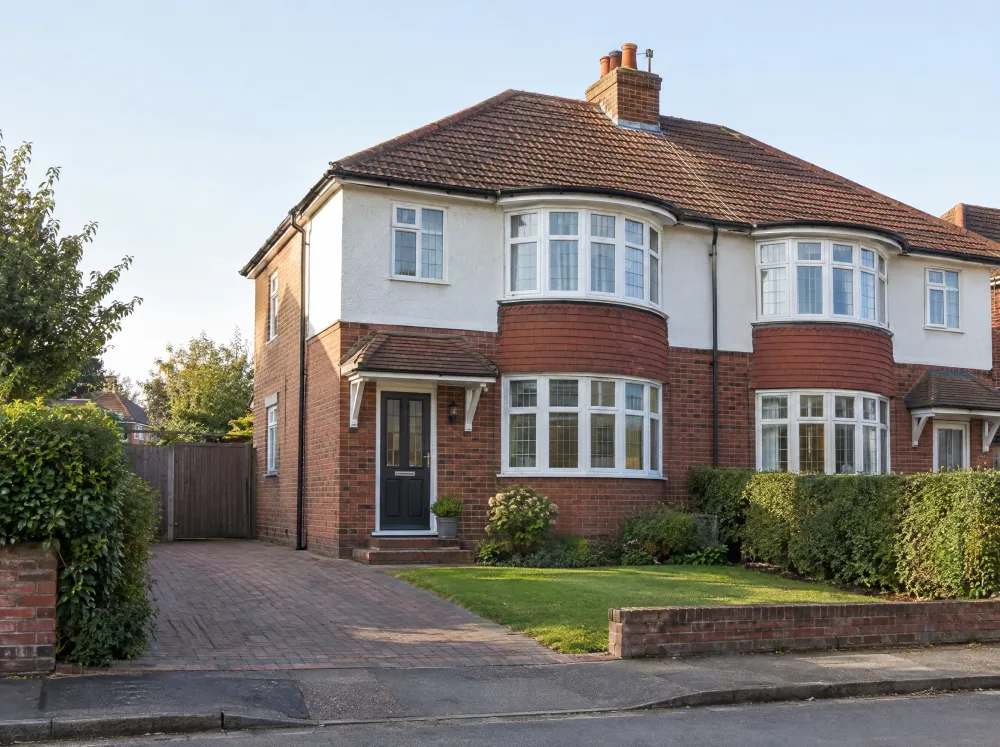
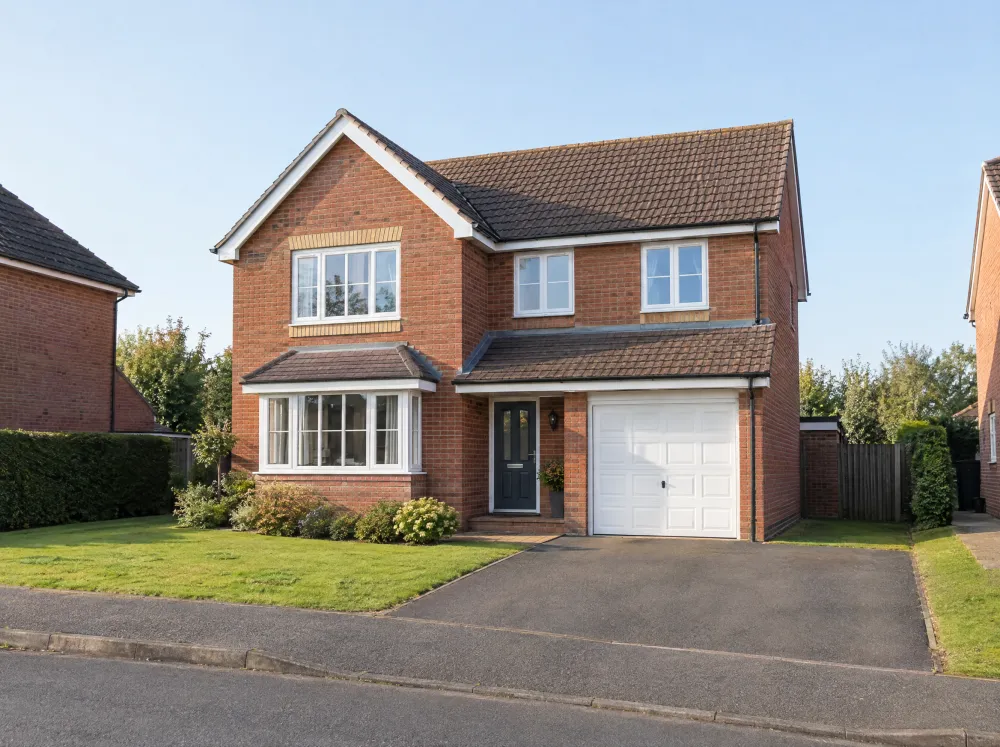
Its energy rating, from its label or manual
Sets the price of the unit
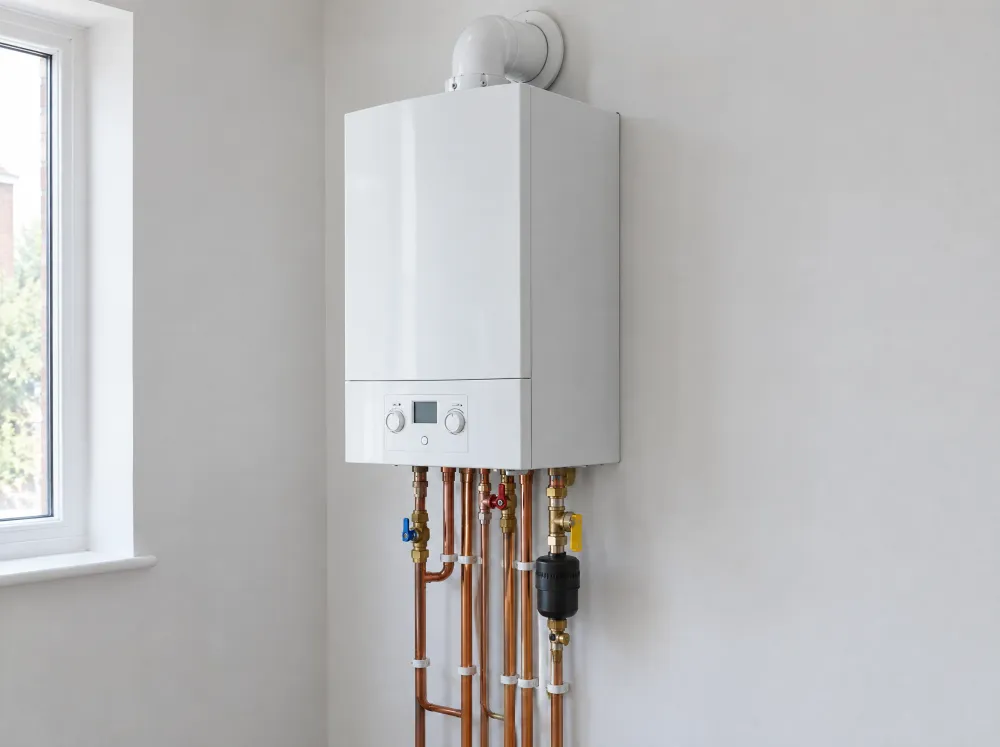
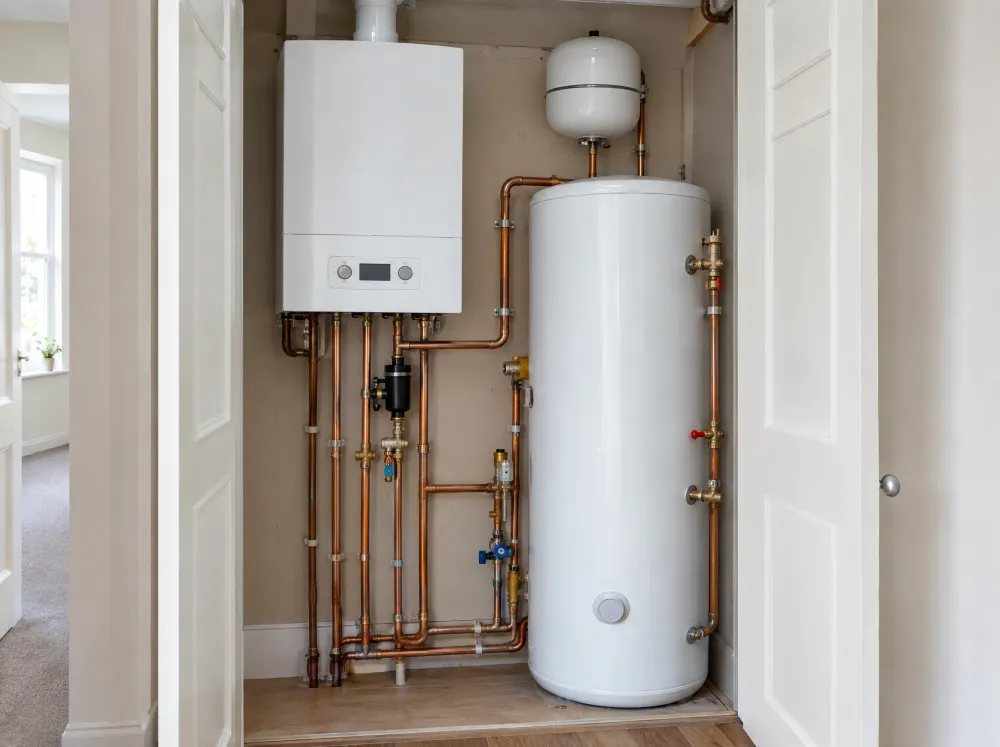
The same price, sliced different ways. Pick a view to see where your home sits.
Two identical homes can be quoted differently. These are the things that account for most of the gap.
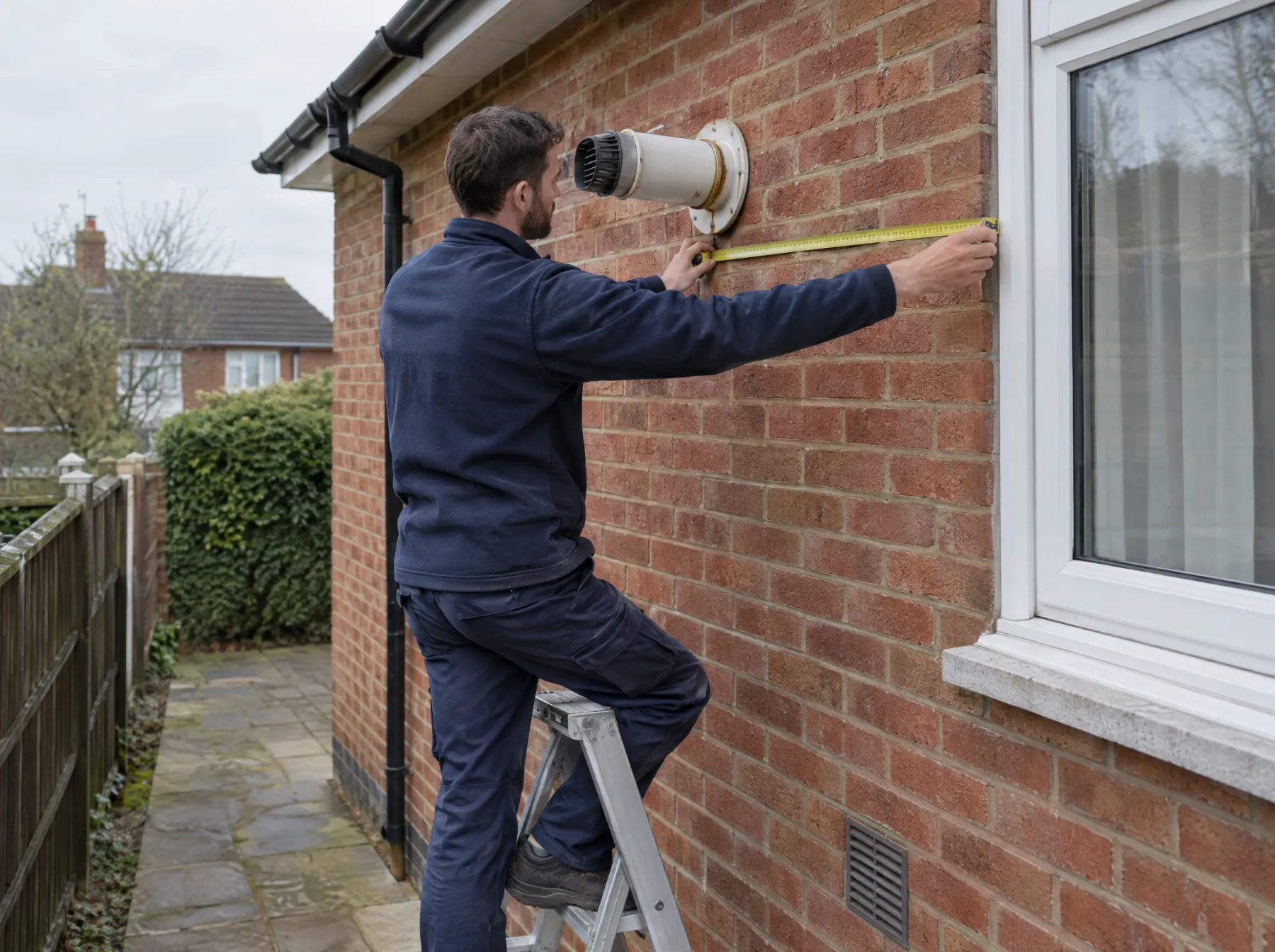
Across conventional, combi, and system boilers, there are a range of models to choose from at different price points. Budget-friendly models run from £600 to £1,100, standard mid-range models from £1,100 to £2,000, and premium models from £2,000 to £3,500+, excluding installation.
The more heating and hot water your household uses on a daily basis, the higher your kW output will need to be. Large households with lots of radiators, taps and showers may need a 35 to 40kW combi boiler. A small household with one bathroom and fewer than 10 radiators could get away with a 25kW combi boiler.
A like-for-like replacement is less labour-intensive than switching from, for example, a conventional boiler to a system boiler. And if you want to move your boiler’s location (e.g., from your loft to your kitchen), that will also drive up installation costs.
The best boilers come with smart, energy-efficient technologies like smart thermostats, programmers, and thermostatic radiator controls. This increases the initial cost but lowers energy waste, saving you money every month and shortening your payback period.
Moving between gas, oil, electric or biomass brings its own installation requirements. Changing fuel is always more involved than staying with what you already have.
London and the south east and south west run higher than the rest of the UK, mostly on labour rates rather than on the price of the boiler itself.
Winter is when boilers fail and when everyone wants one fitted. Demand pushes prices up and waiting times out, so replacing before the cold arrives usually costs less.
10 to 15 years
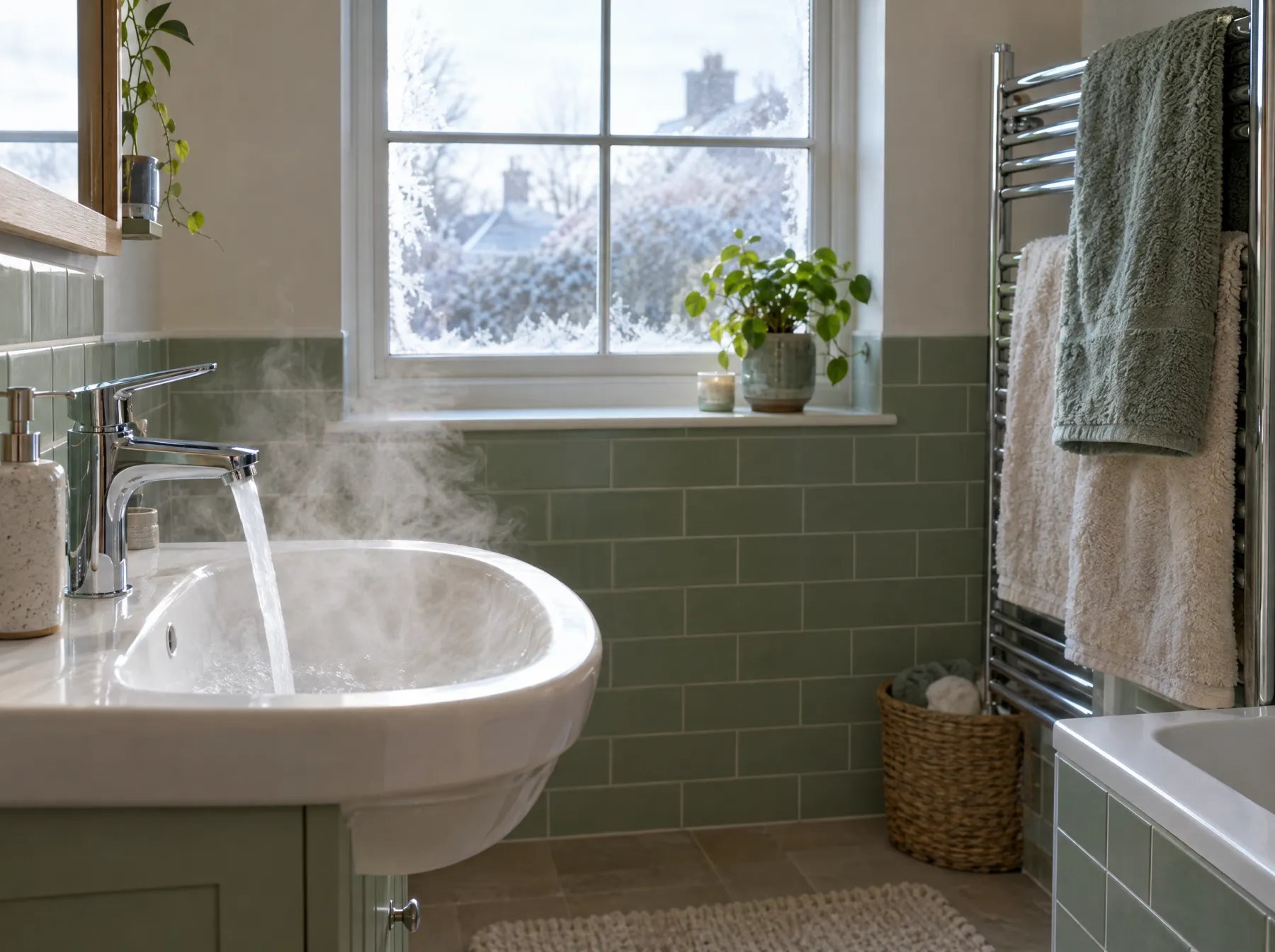
A semi-detached house with a G-rated boiler could save up to £350 a year by switching to an A-rated boiler. Even switching from D-rated to A-rated can save £190 a year. The payback period is usually between 10 and 15 years. But the more efficient your upgrade, the faster you'll see returns.
Quotes are easiest to compare when you know which items are inside the price. These are the norms across the installers we work with.
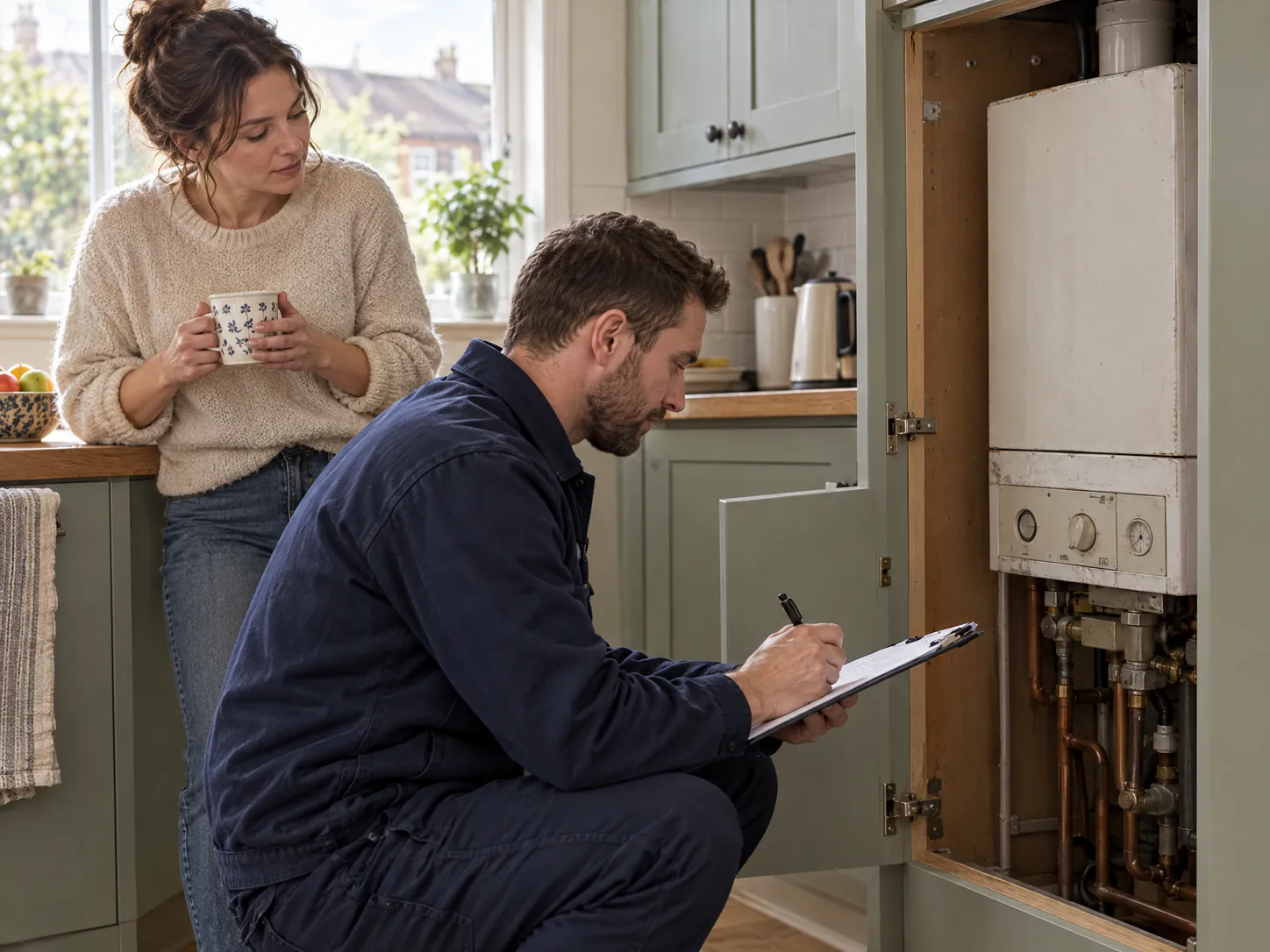
Enter your postcode and we will match you with Gas Safe registered engineers for free, no-obligation quotes.


We pass your details to one vetted local installer, so they can contact you with a quote. Our privacy policy explains how we use your data.
In England and Wales, the Boiler Upgrade Scheme gives £7,500 towards an air source or ground source heat pump, with no means test. Your MCS certified installer applies for you and takes the grant off your bill.
Yes. New gas, oil and electric boilers are charged at 20% VAT. Heat pumps and wood-fuelled boilers installed in your home are zero-rated until 31 March 2027, and a grant-funded heating job can carry 5% if you are 60 or over or get certain benefits.
Not for everyone. The Boiler Upgrade Scheme never pays for a gas, oil or LPG boiler, and the Warm Homes: Local Grant does not fund fossil fuel boilers. Some means-tested schemes can replace a boiler, such as ECO4 until 31 December 2026 and Warmer Homes Scotland.
Longer reads on the things that move your price, and what to check before you accept a quote.
Every figure on this page is a published range, not a personalised quote.

The type of boiler you need is the biggest single factor in the price, before installation is added.
Those are unit prices. Installation is charged on top and typically adds £700 to £2,000, which is why the fully installed average lands between £1,200 and £4,500.
Combi boilers dominate for a reason: they are compact, straightforward to maintain and deliver hot water on demand without a separate tank or cylinder. Around 85% of UK homes now have one.
System boilers suit larger homes with several bathrooms and heavy hot water demand. Conventional boilers, also called heat-only or regular boilers, tend to appear in older homes with three or more bathrooms and low water pressure, and they are the most complex of the three to install.
Fully installed, for an average 3 to 4 bedroom home. What you had before matters as much as what you are fitting.
System boilers are the usual answer for larger homes with several bathrooms and heavy hot water demand.
Also called heat-only or regular boilers. Common in older homes with three or more bathrooms and low water pressure.
Every tier meets the same minimum efficiency standard by law. What changes is the warranty and the features.
What you save depends on how inefficient your current boiler is and how much house you are heating.
A typical semi-detached household has an average annual gas bill of £948.95. On a £950 bill, that upgrade would bring it down to somewhere between £600 and £760.
Servicing keeps the warranty valid and the boiler efficient. Where you live changes the price more than you would expect.
Two other things move the price. Your provider: a local independent typically charges around £85, while national providers usually charge over £100 for the same work. Your boiler type: an oil boiler service costs roughly 50% more than gas, often above £150, while electric averages about £90.
An annual service protects the investment and keeps the boiler running safely, and most manufacturer warranties require it. It is still a recurring cost worth building into the sums.
Industry research puts 18% of UK homes on a boiler more than 10 years old, and 1.3 million on one more than 20 years old. That is older than the first iPhone.
The reason people delay is almost always cost. New boiler prices are hard to pin down, with wide variation by type and fuel, by where you live, and by install complexity that only shows up once an engineer is on site. So the decision gets postponed.
The cost of not replacing it is the part that goes unpriced: higher energy bills every month it stays in, more frequent breakdowns as parts age, and, on a gas appliance, a safety risk that grows with neglect. An old boiler is rarely the cheaper option once you count all three.
One of the biggest price swayers is how much disruption the job involves.
Let’s say you want to replace your old combi boiler with a new combi boiler in the same location. This can be completed in a few hours, tops, making it the cheapest, quickest option.
Now, let’s say you want to change from a conventional boiler to a combi boiler, and move it from your loft to your kitchen cupboard. Or, perhaps you want to replace your gas boiler with an electric boiler.
Any job that involves changing the boiler type, fuel, or location is going to add time, labour, and cost. Many installers charge a day rate. So, generally, the longer your job is going to take, the higher your quote.
Boiler type: Upgrading to a new boiler type (e.g., system / regular > combi, or combi > system / regular) could add around £500 to £1,500 to your quote, depending on your current boiler and the new boiler type you want.
Boiler fuel: Changing from gas to electric or vice versa (or changing to an alternative fuel type, such as biomass) comes with specialised installation requirements that drive up costs.
Moving location: If you want to move your boiler, you could be looking at an extra £300 to £1,000 for pipework adjustments and flue rerouting.
Boiler “size” refers to its output in kilowatts (kW), not its physical dimensions. It describes how much energy the boiler can produce for your hot water and heating system.
How big your home is (specifically, how many radiators, bathrooms, and rooms it has) will determine the size of your boiler. And, the bigger output you need, the lower the cost.
Here’s how the current market looks for combi boilers, based on our research:
24 to 27kW combi boilers suit 1 to 2 bedroom flats. They fall at the lower end of the price scale, around £500 to £1,200 for the unit.
28 to 34kW combi boilers are ideal for 3 to 4 bedroom homes with 2+ bathrooms. These units fall within the median price range of around £800 to £1,900.
32 to 42kW combi boilers are best suited to large 4+ bedroom homes. Prices start around £1,000 to £2,000 (or more).
Most domestic boilers don’t exceed 42kW. But that doesn’t mean you can’t go bigger. A small commercial boiler starts at a size of around 70kW to 100kW!
Our boiler buying guide helps you figure out what size boiler you need to meet your demands.
You might be wondering why boiler sizes have such big price ranges. The quick answer: it often comes down to the model.
Boiler models roughly track into three tiers: budget, mid-range, and premium.
Budget boilers still meet the same minimum efficiency standards as premium models (they have to by law!). However, they often have shorter warranties and fewer mod-cons than the more expensive varieties. This is reflected in their price.
Expensive doesn’t equal better. Sometimes, you’re simply paying more for the brand’s reputation. Compare boiler specs and warranty length across brands and models to find the best fit for you at a price that works for your budget.
Now, if you’ve got an absolutely ancient non-condensing G-rated boiler, the annual savings you’d get from upgrading to a new A-rated boiler could pay back your investment in as little as 4 to 9 years.
If your old boiler was already reasonably efficient, or your home is well-insulated, the annual savings will be smaller. Typically, your boiler investment will pay off between 10 and 15 years (which is the average lifespan of a boiler).
This means you’ll comfortably recoup your investment over your boiler’s working life.
Before you commit, it’s worth thinking through:
Property size and layout: How many bedrooms, bathrooms, and radiators you need to heat.
Daily hot water usage: Do multiple people need to shower or bathe around the same time each morning? This will affect whether you choose a combi boiler vs a system or regular boiler.
Future plans: Are you thinking about installing solar PV panels or solar thermal panels? Choosing a boiler that’s compatible with solar can ready your home for maximum savings.
Insulation and EPC rating: Installing insulation means you can buy a smaller boiler, as insulation helps you retain the heat that your boiler generates.
Grants and schemes: If you’re after a biomass boiler or low-carbon heating, you may be eligible for boiler grants that can cover the upfront cost.
Choosing the right installer: Always get a quote from a Gas-Safe engineer to ensure safety as well as legal and financial protection. Also look out for TrustMark accreditation and check the warranty period offered by the installer.
You don’t have to pay an arm and a leg for a new energy-efficient boiler. A like-for-like swap of a budget-friendly model in the same location can put your costs in the £1,200 range.
But ultimately, it’s all about what works best for your home. Once you know your property type, what output you need, and where you can save, even a £4,500 quote can be worth it for the long-term savings, fewer breakdowns, and peace of mind.