
Installed costs

How much does insulation cost?

The type of insulation you want isn’t the only thing affecting costs.

Takes about 60 seconds
Free, and no obligation
Vetted, certified local installers
A couple comparing a roll of mineral wool and a rigid insulation board beside a printed quote
Typical installed cost
from £550

Home insulation prices vary depending on the size of your property, the materials used, and where you live. We help break down insulation costs to find you the best deal.

Typical cost, installed

£550 to £20,000

Typical payback

2 to 40 years

Off your energy bills

up to £500 a year

Your price

What would it cost for my home?

Insulation is priced on what you are insulating before house size, so this takes two answers. Every figure is the published range for that measure, not a personalised quote.

Step 1 of 2

What are you insulating?

Four measures, priced very differently
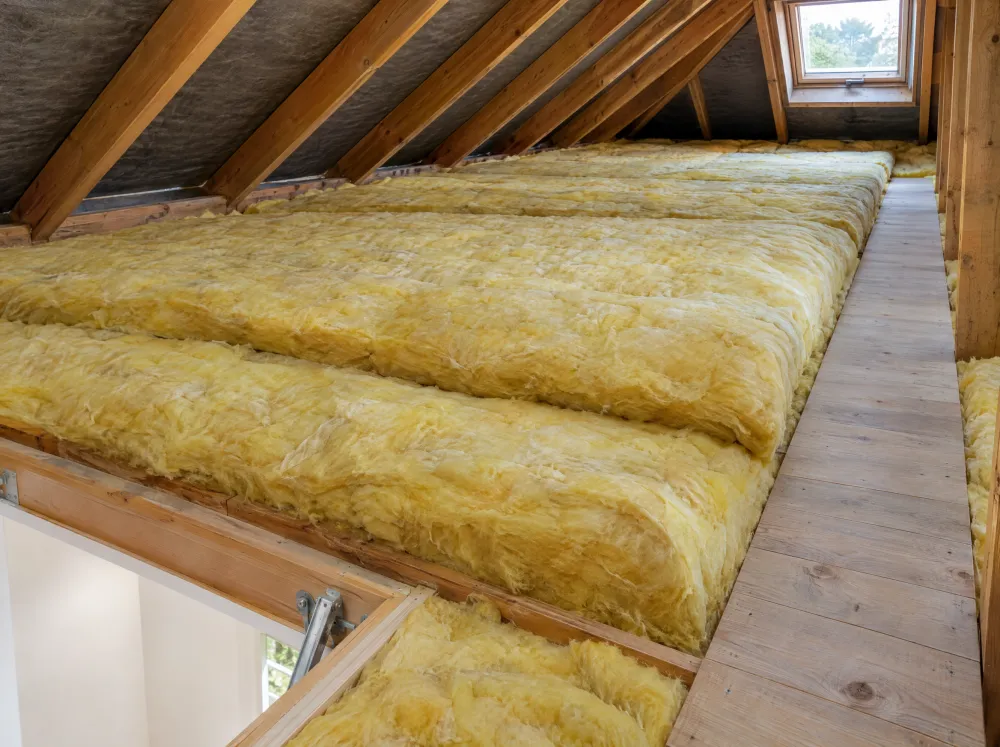
Loft
In the roof space
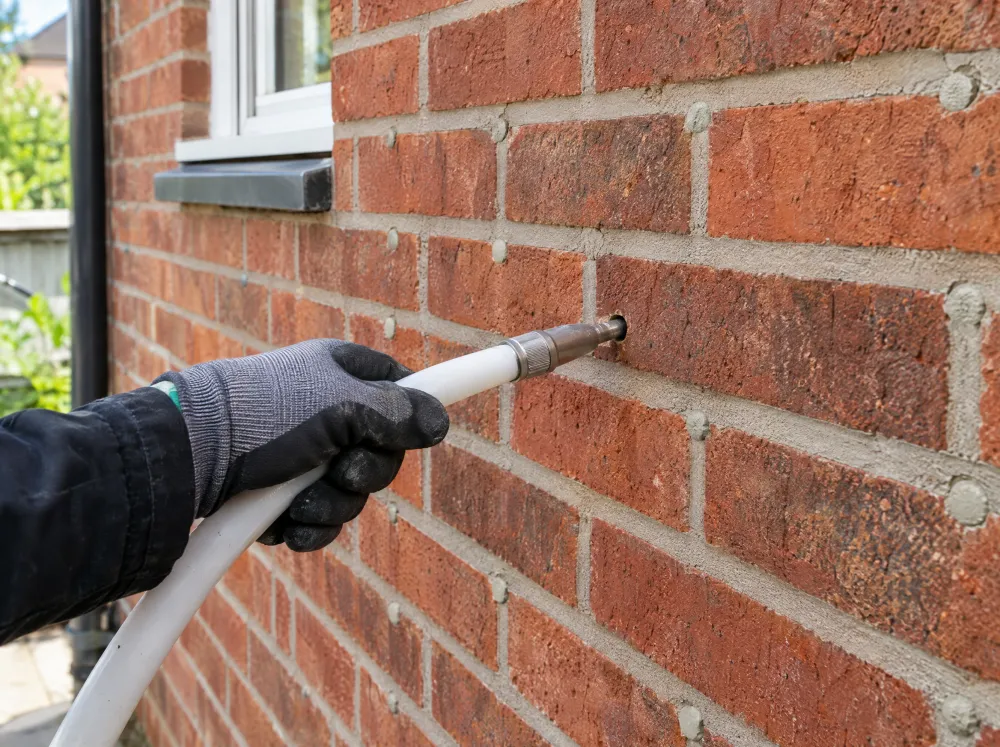
Cavity wall
The gap between two walls
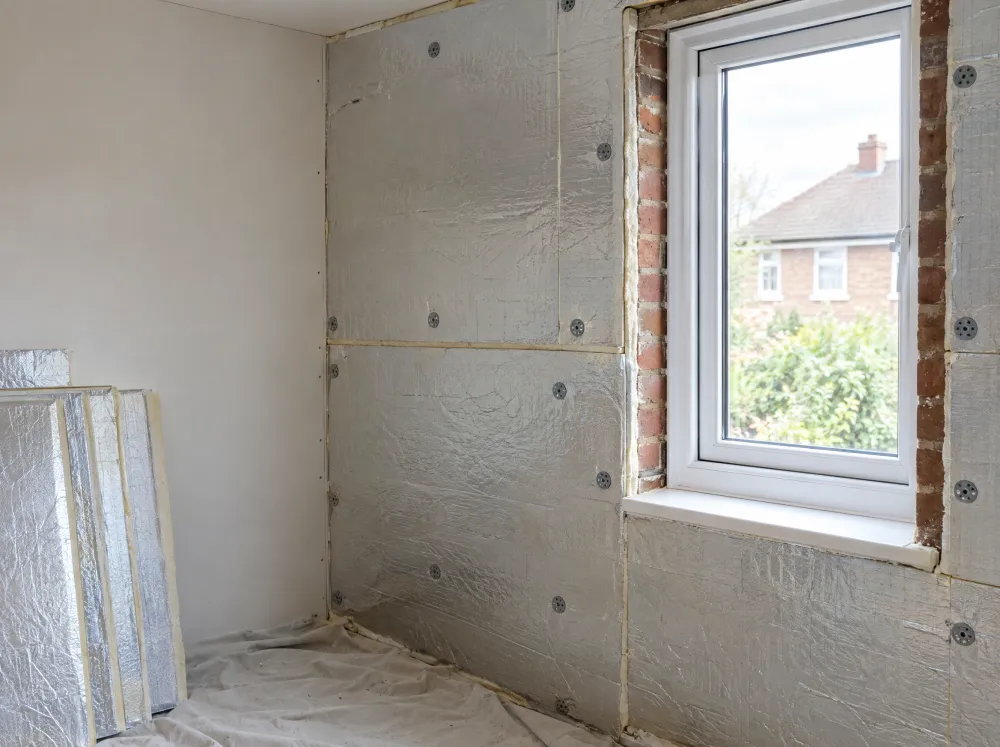
Solid wall
Internal or external
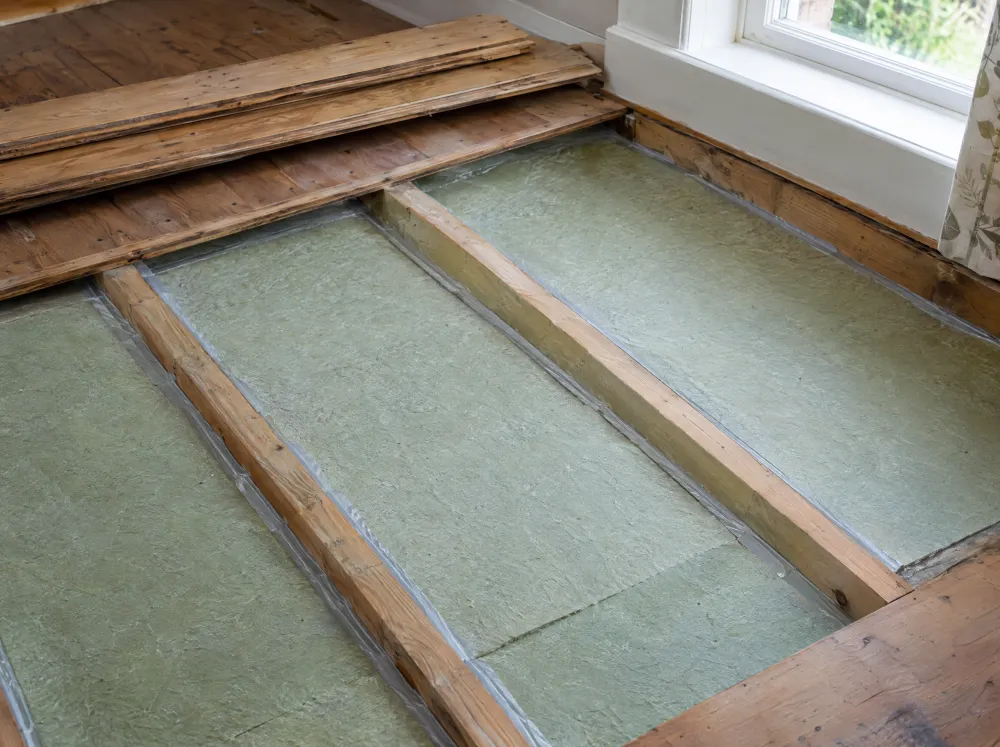
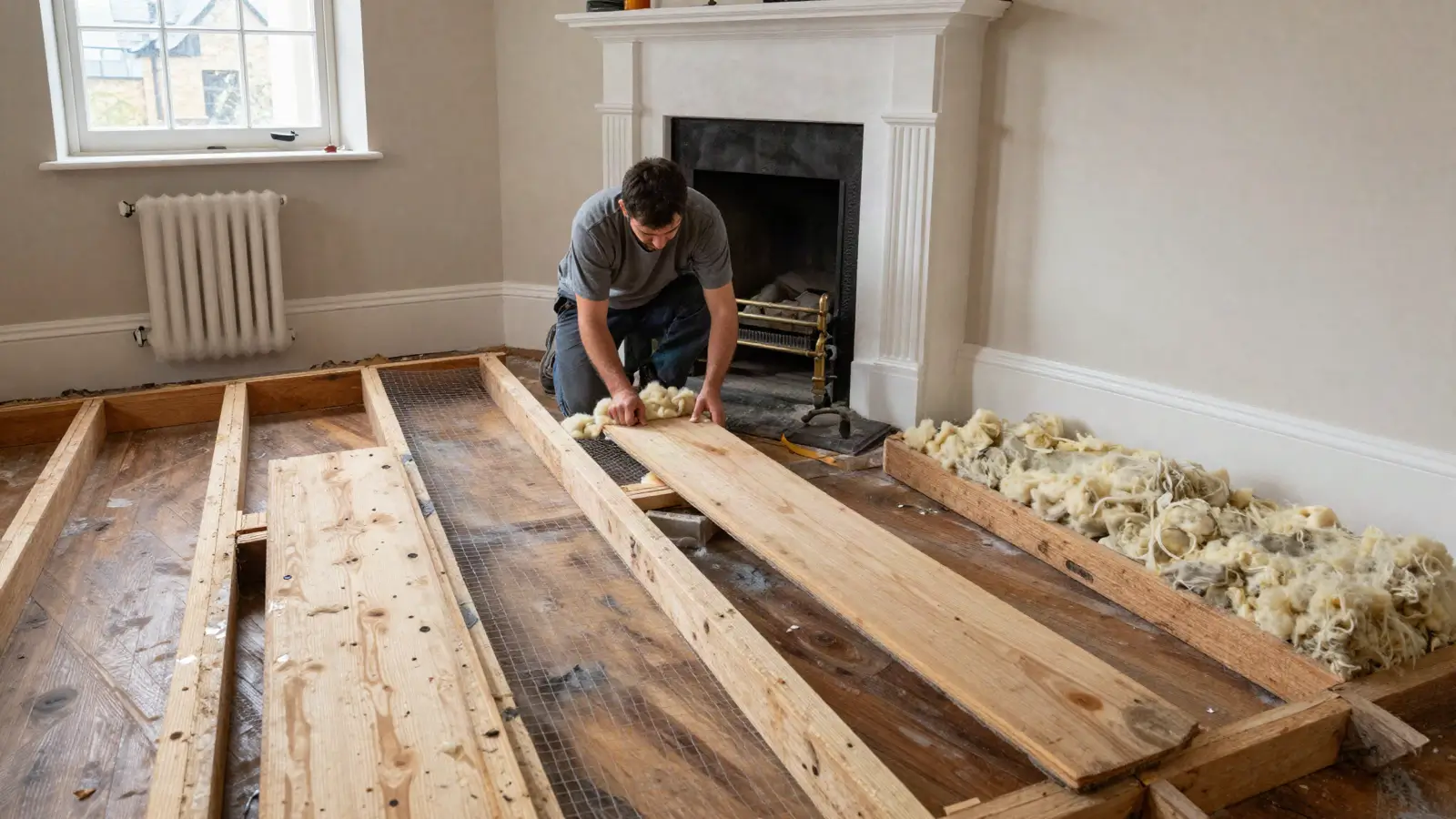
Floor
Ground floor
Step 2 of 2

What kind of home?

The saving depends on this too

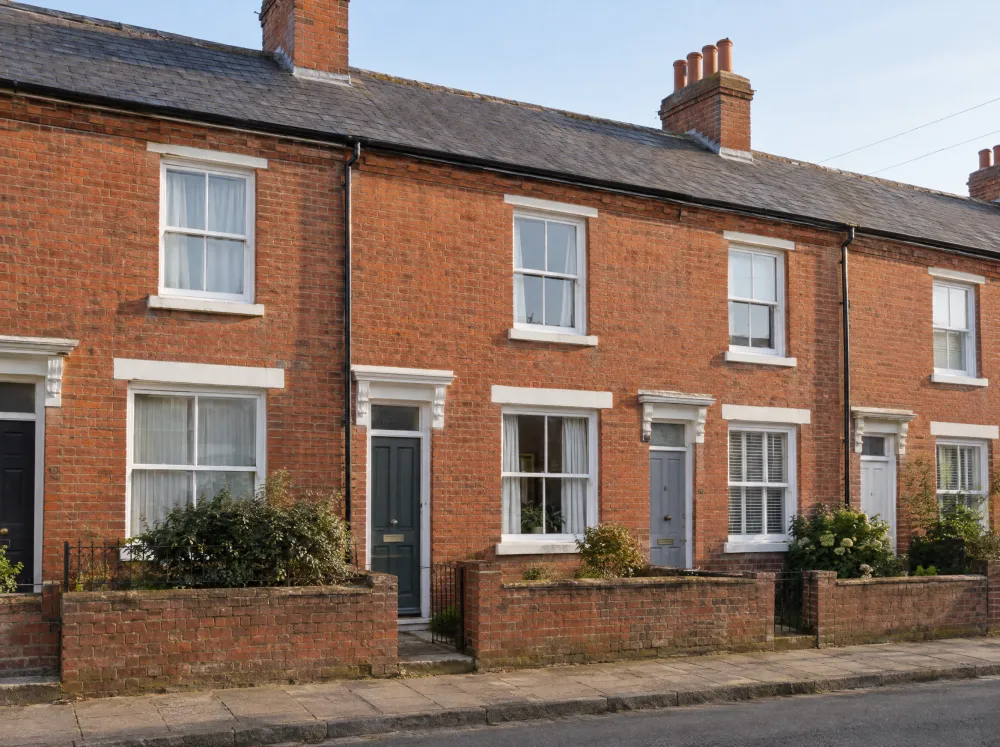
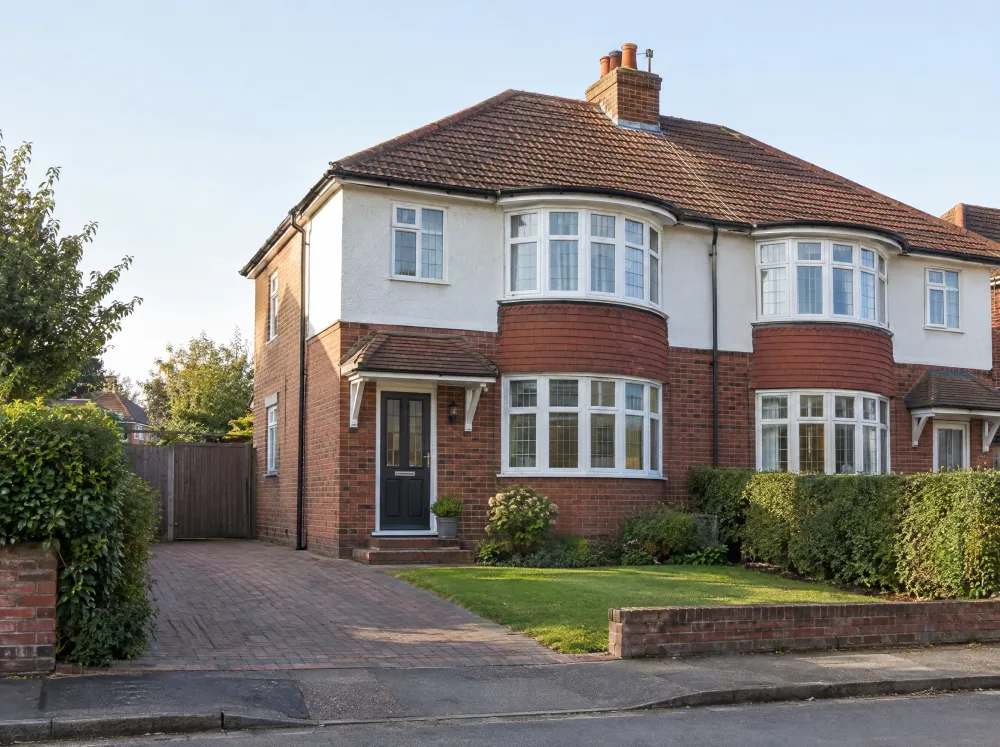
Mid-terrace
1 to 2 bedrooms
Semi-detached
3 bedrooms
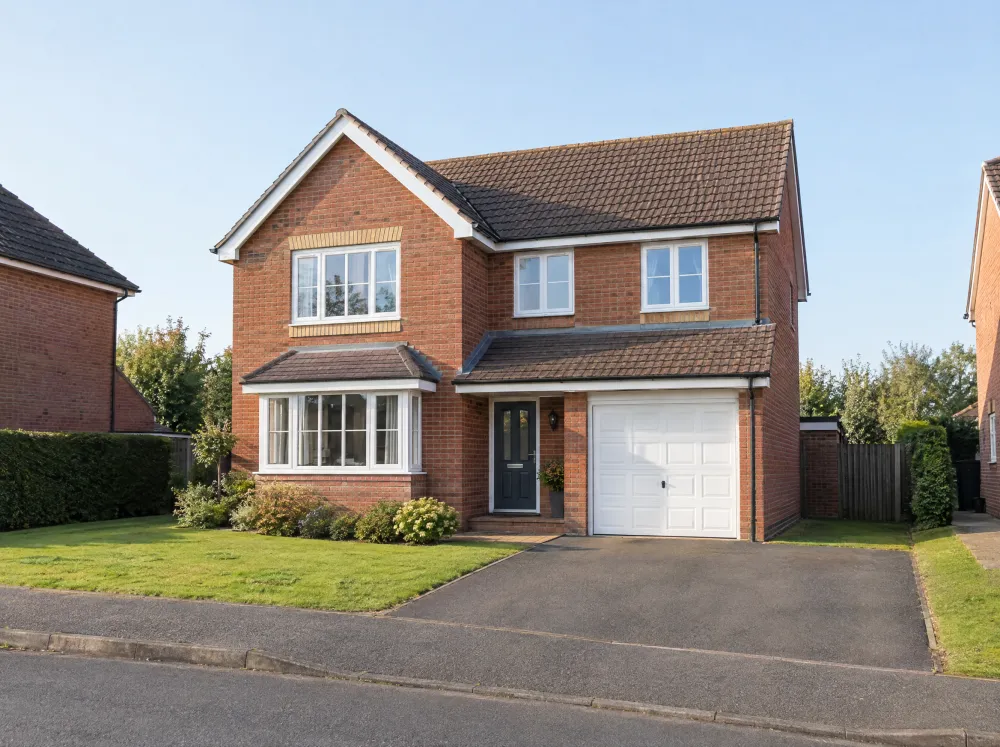
Detached
4 or more bedrooms
Typical installed cost

Typical cost by measure, three-bedroom semi

Pick one

Which is closest to you?

The figures update as you pick

Typical cost

Cost by option

Compare

Compare the price by type, size and more

The same price, sliced different ways. Pick a view to see where your home sits.

What changes the number

What moves the price up or down

Two identical homes can be quoted differently. These are the things that account for most of the gap.
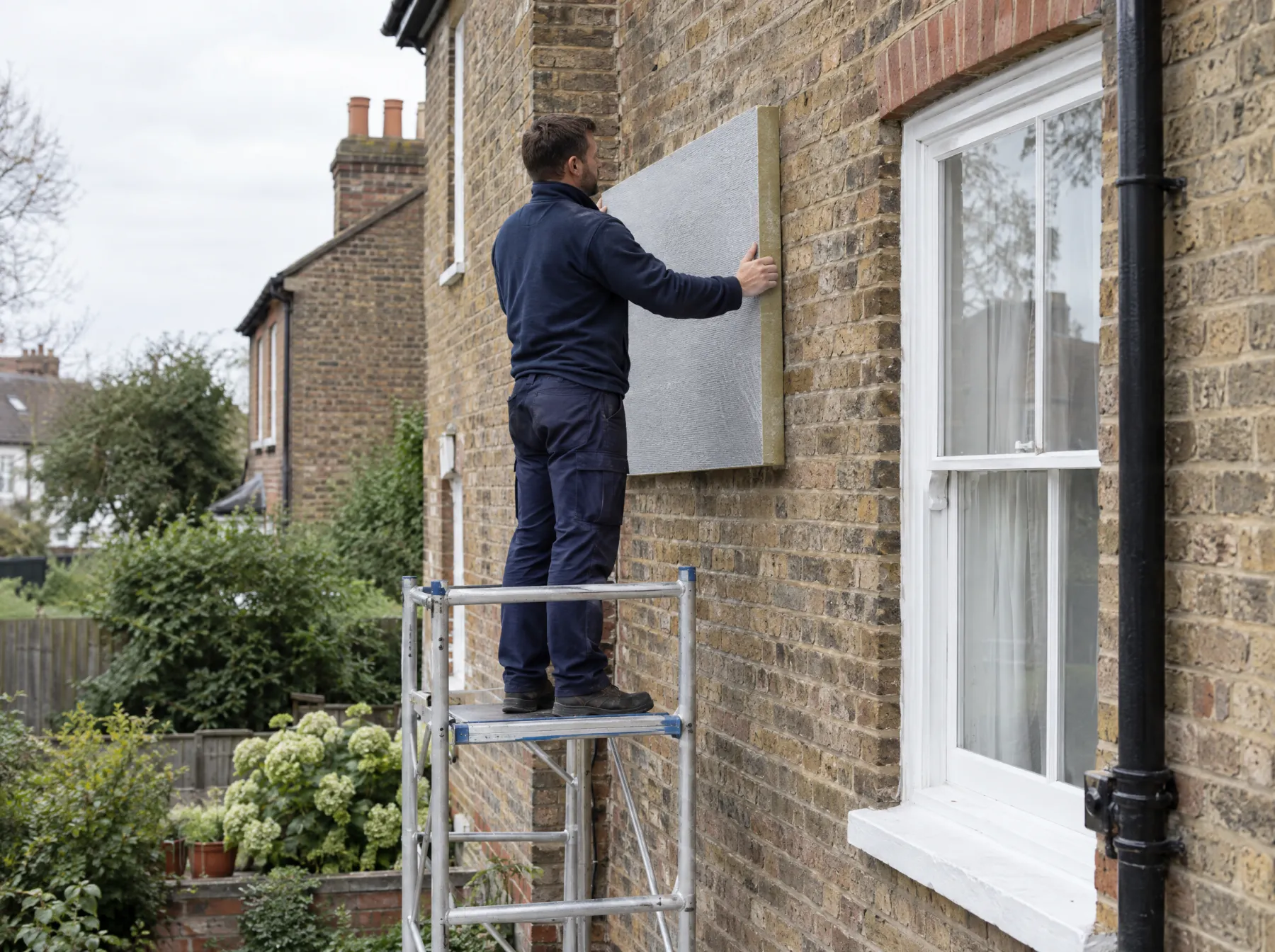
An installer on a scaffold tower holding an insulation board against a solid brick wall
1

Your home’s type and size

Insulating a small bungalow is cheaper than insulating a large, detached house. For cavity wall insulation, a bungalow runs £800 to £1,000, a terraced home £900 to £1,200, a semi-detached £1,200 to £1,800 and a detached house £1,800 to £2,500.

2

Materials

From fibreglass and mineral wool to rigid foam boards, there are plenty of affordable and premium insulation materials to choose from depending on the area you’re insulating.

3

Complexity

Is your loft accessible? Do you want a full insulation retrofit, a top-up, or a replacement? The complexity of the job will affect your final price.

4

Where you live

London and the south east run higher than the rest of Great Britain. Northern Ireland differs in both directions, costing more for loft and less for cavity wall.

5

The condition of your property

Damp, cracked render, failing gutters and non-standard construction all have to be dealt with before insulation goes in, and that work is quoted separately.

Go deeper

The detail behind the price

Savings and payback

What you get back and how long it takes

A child reading in a warm loft bedroom while snow settles on the skylight
Typical payback

2 to 40 years

Get a full return on your investment within 2 to 40 years, depending on the type of insulation you choose. Want maximum energy savings? Wall insulation can cut bills by up to £380 a year with cavity walls, or up to £500 with solid walls (Energy Saving Trust, July 2026 prices).

Bringing it down

Ways to pay less

A notebook with a ticked to-do list, reading glasses and an open laptop on a kitchen table in morning light
Grants and schemes

Could support cover part of the cost?

Some households qualify for help with the cost of a home energy upgrade. What is available depends on where you live and your circumstances, and the schemes change.

Before you compare quotes

What a quote covers and what it does not

Quotes are easiest to compare when you know which items are inside the price. These are the norms across the installers we work with.
Normally included

Inside the price

  • A survey of the property, including a check for damp and disrepair
  • Supply of the insulation material
  • Installation by a TrustMark-registered installer
  • Removal of packaging and waste from site
  • The installer's guarantee, through CIGA or SWIGA where the measure qualifies
  • Certification and paperwork for your records
Usually separate

Quoted on top

  • Repairs before installation: fixing damaged brickwork, guttering, or roofing that needs sorting before insulation can safely go in.
  • Damp or mould remediation: if there’s an existing issue, it must be resolved first, or the insulation will trap the problem rather than solve it.
  • Modifications: moving electrical sockets, trimming door bottoms, or adjusting skirting boards for floor or internal wall insulation.
  • Redecoration: internal wall insulation in particular usually means redecorating the room afterwards.
  • Scaffolding and access equipment: a near-certainty for external wall insulation, and sometimes needed for awkward lofts too.
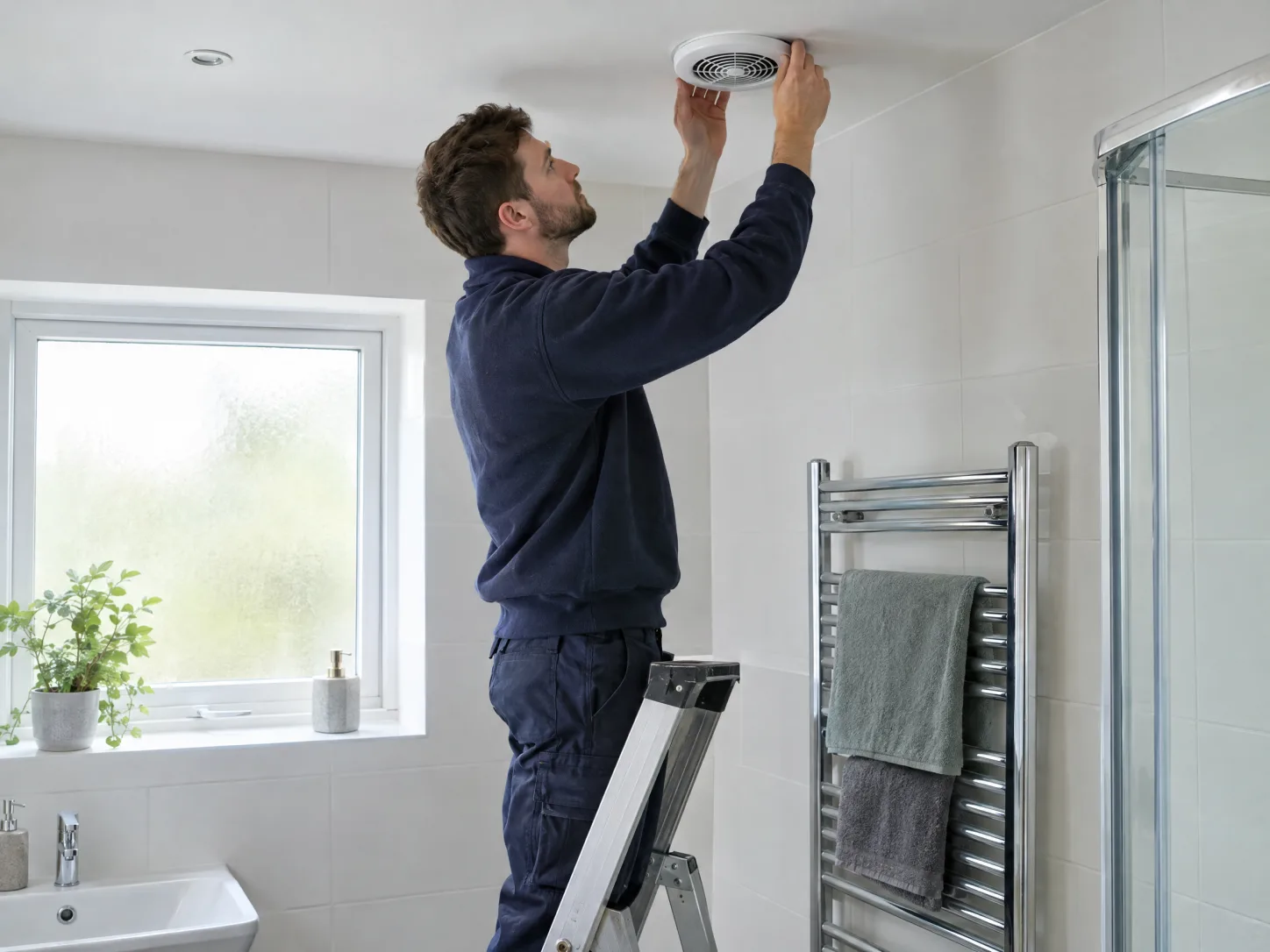
  • Ventilation upgrades: extra vents or extractor fans, so your newly snug home doesn’t trap moisture indoors.
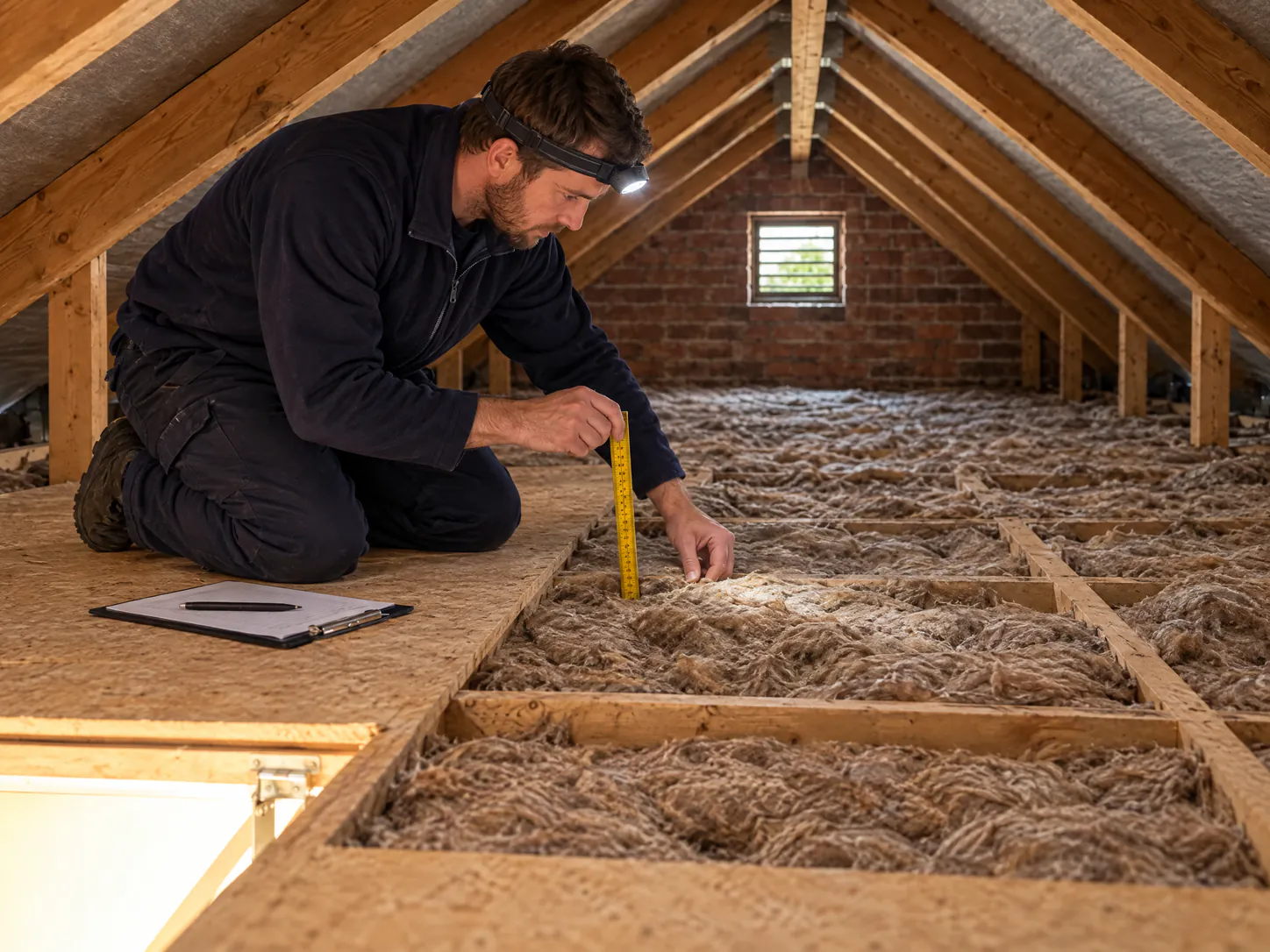
Surveyor measuring loft insulation depth with a ruler
Free, no obligation

See what insulating your home would cost

Enter your postcode and we will match you with TrustMark-registered installers for free, no-obligation quotes.

Typical installed cost
from £550
01

Tell us a few details

Answer a few quick questions about your home, the upgrade you want and your postcode. It takes about two minutes, and it’s free.
02

Match with a local installer

We match you with one local installer, checked for the right accreditation, so you only hear from someone who can do the job properly.
03

Get your quote directly

Receive your quote, ask any questions, then choose it or compare it with other quotes you already have. No pressure, and you stay in control.
Loading your quote form

We pass your details to one vetted local installer, so they can contact you with a quote. Our privacy policy explains how we use your data.

Free, no-obligation quote
TrustMark-registered installers
Responses within minutes
UK-wide coverage
FAQs

Questions about cost

A homeowner reading on a phone with a cup of tea on a window seat

Still have a question?

Browse every answer in the help centre, grouped by topic.

Do I need an EPC to apply?

Usually. Most funded schemes look at your Energy Performance Certificate rating, often D or below, and you can look yours up free on the government EPC register. If you have never had one, that is worth sorting first.

Can I get a grant if I rent my home?

Often, if you rent privately. The Warm Homes: Local Grant covers privately rented homes in England, with the landlord paying half the cost for each home after their first, and ECO4 needs your landlord’s permission. Council and housing association tenants are usually covered by their landlord’s own programme.

Are insulation quotes free?

Yes, completely. Any quote you receive is free to get, with a no-obligation-to-buy guarantee.

Read next

Guides that go deeper

Longer reads on the things that move your price, and what to check before you accept a quote.
See all guides
About these figures

Every figure on this page is a published range, not a personalised quote.

Ready to compare quotes for your home?

Compare free, no-obligation quotes from vetted, certified local installers.

Average cost of insulation in the UK

Costs vary hugely by measure, because a loft job and a full external wall system are barely the same kind of work.

insulation-cost-by-measure
2
Insulation type Typical cost (England, Scotland and Wales) Typical cost (Northern Ireland) Loft insulation £750 £1,100 Cavity wall insulation £2,200 £1,000 Solid wall insulation (internal) £12,000 — Solid wall insulation (external) £15,000 — Floor insulation (suspended timber) £1,400 to £2,500 —
Based on a standard three-bedroom semi-detached home. A dash means no separate Northern Ireland figure was published for that measure.
Energy Saving Trust. Checked August 2026.
10
What it costs

Insulation costs by material

Not all insulation is the same. The material you choose affects both the price per square metre and how well it performs.

insulation-cost-by-material
4
Material Typical cost Best used for Mineral wool (glass or rock wool) £5 to £10 per m² Lofts, cavity walls Expanded polystyrene (EPS) beads and boards £8 to £15 per m² Cavity walls, solid floors PIR and PUR rigid boards £15 to £30 per m² Solid walls, tight spaces, floors Sheep's wool £15 to £25 per m² Lofts, natural and breathable Blown cellulose £15 to £25 per m² Lofts, recycled paper fibre
Indicative UK material and installed pricing ranges.
Current UK trade pricing data. Checked August 2026.
30
Cost by …
Material

Insulation costs by property size

Bigger house, bigger roof, bigger walls, bigger bill. These are the two most common measures priced by property type.

insulation-cost-by-property-size
2
Property type Average loft insulation cost Average cavity wall insulation cost Small mid-terrace (1 to 2 bedrooms) £650 £1,100 Semi-detached house (3 bedrooms) £750 £2,200 Detached house (4+ bedrooms) £1,100 £3,900 Detached bungalow (1 to 3 bedrooms) £1,200 £1,700

Detached homes have more external wall and roof exposed to the weather. That means more surface for heat to escape through, and more surface for an installer to cover.

Mid-terraces and semi-detached houses get some insulation for free from the houses next door, which is roughly the only upside to hearing a neighbour's Saturday morning playlist through the wall.

Energy Saving Trust. Checked August 2026.
40
Cost by …
Property size

Estimated annual savings by measure

Savings depend on your current insulation level, the property and the fuel you heat with.

insulation-savings-by-measure-and-property
2
Insulation type Mid-terrace Semi-detached Detached Loft insulation £140 £190 £360 Cavity wall insulation £110 £200 £380 Solid wall insulation £150 £280 £500 Floor insulation £40 £55 £85

Combining two or three measures is where this starts to add up, and loft plus cavity wall is the usual starting pair.

These figures assume mains gas at current prices. Homes heated by electricity or oil often see larger cash savings, because every unit saved is worth more. If you also have solar panels, the same applies again.

Based on a typical gas-heated home in England, Scotland and Wales. Homes heated by electricity or oil often save more, because each unit saved is worth more.
Energy Saving Trust. Checked August 2026.
100
Savings and payback

How long before it pays for itself

Payback is surprisingly short for some measures, which is what moves them from sensible to genuinely good value.

insulation-payback-by-measure
2
Insulation type Typical cost Typical annual savings Estimated payback Loft insulation £750 £190 3 years Cavity wall insulation £2,200 £200 10 years Floor insulation £1,400 to £2,500 £55 20+ years Solid wall insulation £12,000 to £15,000 £280 Considerably longer
Based on a typical three-bedroom home using mains gas in England, Scotland and Wales. Payback varies with property size, existing insulation and fuel type.
Cost and savings figures from the Energy Saving Trust; payback calculated from them. Checked August 2026.
110
Savings and payback

Ease of access

A loft with a boarded floor, restricted headroom, or a maze of stored Christmas decorations takes longer to insulate than one you can stroll into.

The same logic applies across the board: narrow cavities, multi-storey walls that need scaffolding, and suspended floors with no crawl space all add labour time, and labour time adds cost.

If your installer needs to lift floorboards, shift pipework, or rig up access equipment, expect that to show up on the invoice.

50
What moves the price

Location

Where you live in the UK has a real effect on installation costs, mostly down to labour rates and how far materials have to travel.

Across England, Scotland, and Wales it’s fairly uniform (bar London/South East, where everything is slightly more expensive). However, the cost of insulation in Northern Ireland does differ from the rest of the UK, particularly loft insulation and cavity wall insulation.

  • Loft insulation is more expensive in Northern Ireland, costing around £950 to £1,700. The maximum average price for the rest of the UK is £3,900.
  • Cavity wall insulation is cheaper, costing between £460 and £1,500. In the UK, you could pay as much as £1,700 for the same job.

England, Scotland and Wales figures are published together as a “Great Britain” average by the Energy Saving Trust.

60
What moves the price

Property condition

A tired old wall doesn’t want a coat of insulation slapped straight over the top of its problems.

Cracked render, damp brickwork, leaking gutters or a dodgy roof all need sorting before insulation goes in, because trapping moisture behind a new layer of insulation is a fast track to mould, rot, and a much bigger bill than the one you started with.

Older or non-standard properties (timber-framed, solid stone, narrow cavities) can also need specialist materials or techniques, which pushes costs up further. A proper survey before work begins should flag all of this.

70
What moves the price

How can I reduce insulation costs?

The short version: you may not have to pay full price at all. Some households are eligible for grants, which can fully or partially cover the cost of insulation.

We’ve gone into the eligibility criteria, application process and current scheme deadlines in detail in our dedicated insulation grants guide. It’s worth a read before you assume you must foot the whole bill yourself.

90
Bringing it down

How much does insulation cost to maintain?

Refreshingly little. Properly installed loft insulation has a lifespan of around 40 years, according to the Energy Saving Trust, and largely just sits there doing its job with no maintenance required.

Cavity wall and solid wall installations from a registered installer typically come with a 25-year guarantee (via the Cavity Insulation Guarantee Agency or Solid Wall Insulation Guarantee Agency), covering you if anything goes wrong.

The only real “maintenance” is vigilance. Keep an eye out for damp patches, condensation, or draughts reappearing, particularly after any building work that disturbs your walls, roof or floor. If a problem does crop up, remedial work may be covered under a guarantee as long as the issue wasn’t caused by inadequate home maintenance.

120
Savings and payback

Things to consider before you buy insulation

Before you part with your money, here’s a checklist of must-do’s:

  • Assess the condition of your property: Sort any damp, disrepair or structural issues before insulating, not after.
  • Decide which areas need insulation first: A loft with zero insulation will usually give you the fastest return, followed by cavity wall insulation.
  • Check installer certifications: TrustMark registration, HIES membership, and industry trade body membership with The National Insulation Association are key certifications to look out for. If you’re not sure what they all mean, head to our insulation hub where we break them down.
  • Installer specialisation: Solid wall and period properties need a different skill set to a standard 1990s cavity semi.
  • Grant eligibility: Check before you pay full price; you may qualify for partial or full funding.
  • Get a trustworthy quote: And always ask what a quote does and doesn’t include.
130
Before you buy