- In England and Wales, filling a cavity is building work that must be certified or notified.
- In Scotland, only external wall cladding needs a building warrant, but all work must meet the standards.
- In Northern Ireland, loft and cavity insulation both need a building regulations application to the council.
- Insulation changes how a house breathes, so agree the ventilation before work starts, not after.
- Keep the survey, certificates and guarantee for at least six years, or as long as the guarantee.
Before any insulation goes in, check whether the work needs building control sign-off, planning permission or listed building consent where you live, and agree how the house will be ventilated afterwards. When it is done, keep the survey, the certificates and the guarantee, because a buyer, a lender or a future scheme will ask for them.
This checklist runs in the order a job does. For what a quote should include and exclude, see insulation costs; for funding, see insulation grants.
Step 1: work out what you have
Start with the house, not the product. Check whether your walls are solid or cavity, how much is in the loft, and whether the ground floor is suspended timber or concrete: our guide to solid or cavity walls shows how.
- Look up your EPC on the government register, or the Scottish register in Scotland.
- Check whether the home is listed or in a conservation area, on your council's website.
- If you own a flat, read your lease for the rules on alterations.
- Note any damp, cracked render or failed pointing, because it needs fixing first.
Step 2: get a proper survey
A survey should look at the whole house, not just the part being insulated. For funded work in England, the survey follows the PAS 2035 retrofit standard, which assesses the home and produces an improvement plan listing the measures in a sensible order.
For any cavity fill, expect the surveyor to look inside the wall with a borescope and check how exposed each wall is to wind-driven rain. Our guide to cavity wall insulation problems explains that test.
Step 3: check who needs to be told
Different measures trigger different rules, and the rules differ by nation. The table sets out the position as of September 2026.
Two points catch people out. In England, if you renovate more than half of a wall, for example by re-rendering or dry-lining it, Approved Document L expects the whole wall to be brought up to the current insulation standard where that pays back within 15 years.
The Planning Portal also notes that planning permission is not normally needed for insulation that does not change how the outside looks. Listed buildings and conservation areas are the exception.
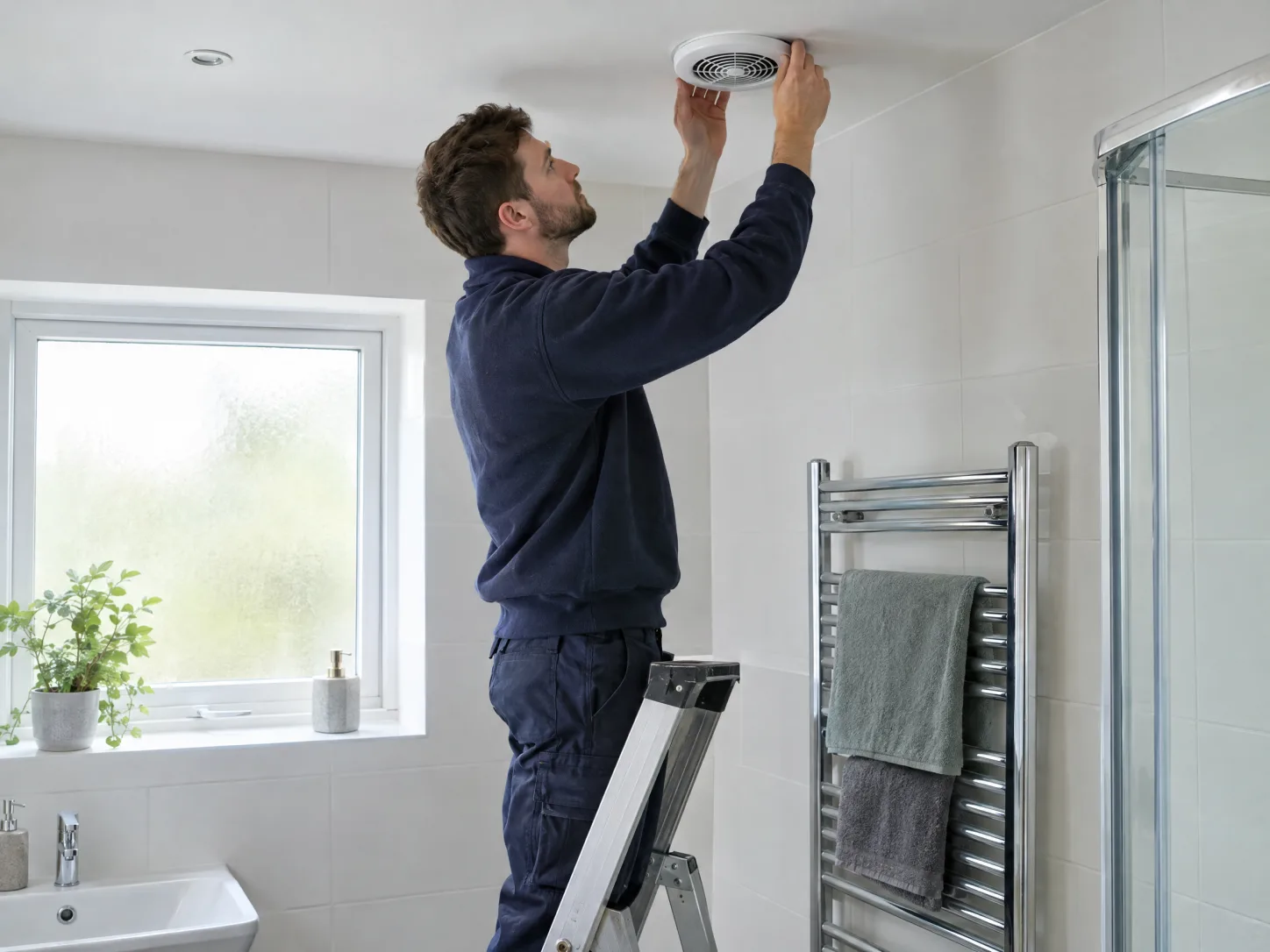
Step 4: agree the ventilation
Insulation cuts draughts, and some of those draughts were the house's ventilation. Approved Document F says building work "should not reduce the ventilation provision", and that an assessment is needed for energy efficiency work; following PAS 2035 counts as meeting it.
Before work starts, agree in writing:
- which rooms need extractor fans or trickle vents, and who fits them;
- that eaves ventilation in the loft stays clear, as the Planning Portal advises;
- that airbricks under a suspended floor stay clear, with sleeves through any filled cavity;
- what happens to a room with a fuel-burning appliance, which needs its own air supply.
Step 5: check the contract before you sign
- The installer is registered with TrustMark, which requires a guarantee of at least two years on the work.
- The quote names the product, the depth or thickness, and what making good is included.
- The guarantee is named: CIGA for cavity fill, or an insurance-backed guarantee for other measures.
- You know how any deposit is protected.
- You know your cancellation rights: normally 14 days for a contract signed at home, with work inside that time only if you ask for it.
Step 6: on the day
- Loft: boarding raised above the new insulation if you store things up there, and the hatch insulated and draught-stripped.
- Cavity: drill holes filled and matched to the mortar, and every airbrick sleeved.
- Walls: sockets, pipes and fittings refitted, and any trickle vents or fans installed as agreed.
- Floors: airbricks clear, and the insulation held firmly between the joists.
Step 7: sign-off and the paperwork to keep
The survey or retrofit assessment and improvement plan; the building regulations certificate or notification for cavity or wall work; the guarantee and your installer's details; the product certificates; the TrustMark lodgement if you have one; and your updated EPC.
PAS 2035 asks for records to be kept for six years, or for as long as the guarantee lasts if that is longer. A cavity wall guarantee runs for 25 years, so keep that folder with the house deeds.
Citizens Advice suggests keeping the survey report, product certificate, trader guarantee and manufacturer guarantee together, and handing them on if you sell or remortgage.
A worked example: a funded job in England, start to finish
A household applies for the Warm Homes: Local Grant on Thursday 1 October 2026:
- By 15 October: the council usually makes contact within 10 working days to arrange a survey.
- 2 November: the council approves the batch of homes that includes this one.
- By 30 November: the installer must create the TrustMark project within four weeks of that approval.
- 1 December: the work is finished.
- By 12 January 2027: the TrustMark project must be closed within six weeks of completion.
- Records: kept for at least six years, and the cavity guarantee until December 2051.
For comparison, a private contract signed at home on 5 October could be cancelled until the end of 19 October.
{{accreditations}}
Watch out for these
- Work passed to someone unqualified. The National Audit Office found insulation under the ECO scheme subcontracted to people who were not competent or certified. Ask who will actually do the work.
- Blocked vents. Insulation stuffed into eaves or over airbricks can cause condensation and damp. Check before the installer leaves.
- Callers offering free checks of your insulation. Genuine home checks for faulty wall insulation are arranged through official routes; CIGA says it does not make cold calls.
- Missing paperwork. No certificate or guarantee can cause problems when you sell. Ask for them before the final payment.
How the rules differ across the UK
- England and Wales: each nation has its own Approved Documents, and the lists of approved self-certification schemes for insulation differ.
- Scotland: a building warrant is needed only for an external wall cladding system, but all insulation work must meet the building standards. Home Energy Scotland asks for a copy of the warrant when it funds external wall insulation.
- Northern Ireland: loft and cavity insulation both need a building regulations application to the council, and building control checks that the roof space stays ventilated. Ask your council about other measures.
- Listed buildings: consent is needed for work that affects a listed building's character, so ask the council before you book a survey.
Where to go next
- Work out what your home can take with Solid or cavity walls? How to tell.
- Read cavity wall insulation problems before any cavity is filled.
- If you are applying for funding, see how to apply for an insulation grant.
- See what a quote covers on insulation costs, and the measures on home insulation types.
- Check current funding on insulation grants, or start from our insulation overview.
Ready to plan your insulation properly?
Tell us about your home to get a free, no-obligation insulation quote from a TrustMark-registered installer, and use this checklist to agree the permissions, ventilation and paperwork before work starts.
Free and no obligation. We only share your details with the installers we match you with.
Common questions
Do I need building regulations for loft insulation?
In England and Wales the standards apply when you renew more than a quarter of the roof. For a top-up on its own, ask your building control team if unsure. In Northern Ireland, loft insulation needs a building regulations application.
Does external wall insulation need planning permission?
In England it is usually permitted development if the finish looks similar to the existing walls, but not in conservation areas, National Parks or on flats. In Scotland it needs a building warrant; check planning with your council.
What is a retrofit assessment?
A whole-house survey under the PAS 2035 standard, used for funded work. It records the home's condition, ventilation and how it is used, and leads to a plan that puts the measures in order.
What paperwork should I get after insulation?
The survey, the building regulations certificate or notification where it applies, the guarantee, the product certificates and your installer's details. Keep them for at least six years, or as long as the guarantee.
Can insulation cause condensation?
It can if the ventilation is reduced and nothing replaces it. That is why the ventilation should be agreed before work starts, with fans or trickle vents added where the survey says they are needed.
Ready to plan your insulation properly?
Tell us about your home to get a free, no-obligation insulation quote from a TrustMark-registered installer, and use this checklist to agree the permissions, ventilation and paperwork before work starts.
Free and no obligation. We only share your details with the installers we match you with.
What the accreditations actually mean
Certification is the clearest signal you have that an installer is competent, and that you are protected if something goes wrong. Here is what each one covers.



Keep reading
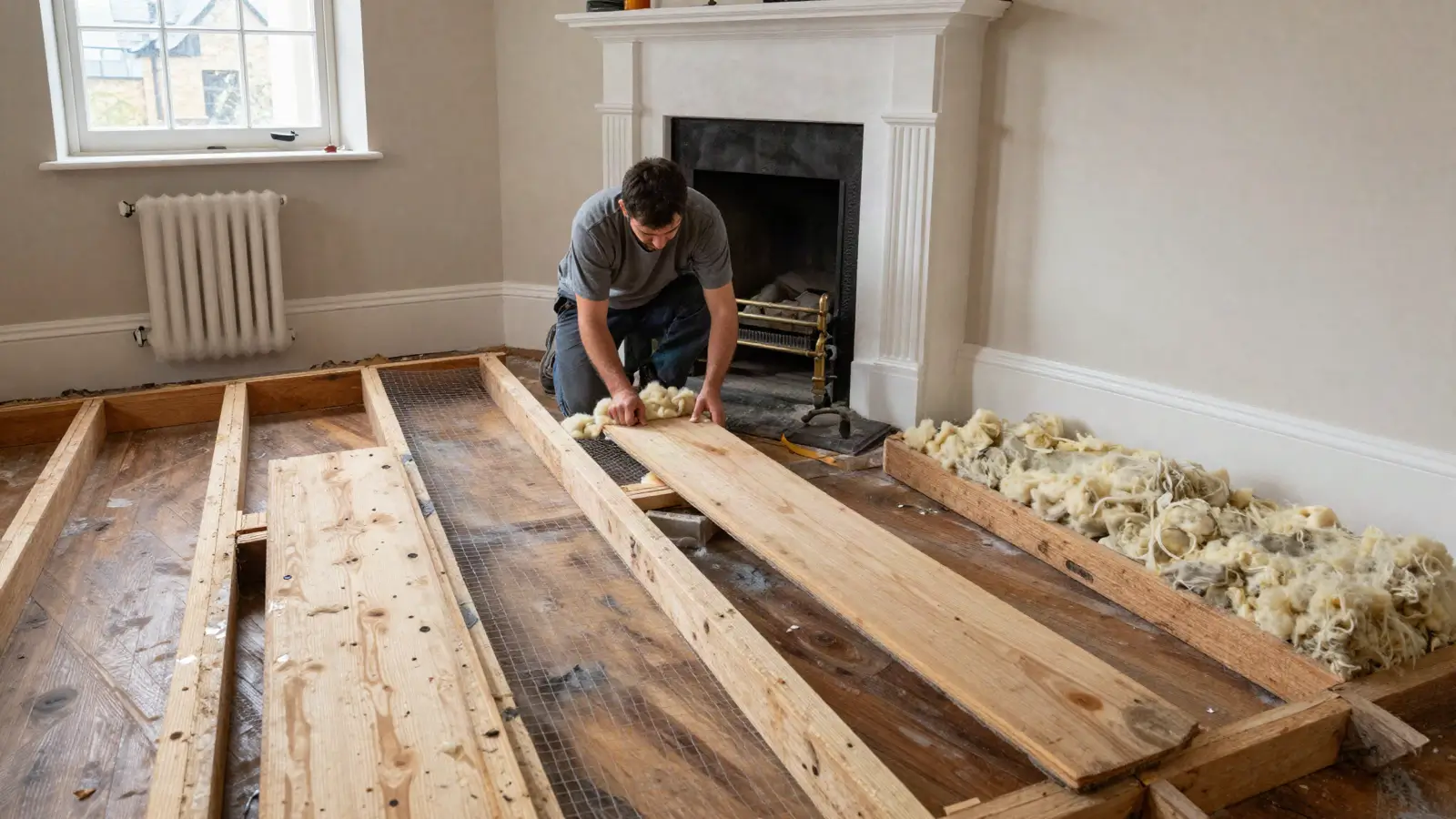
Underfloor insulation and draught proofing: cheap fixes for a cold house
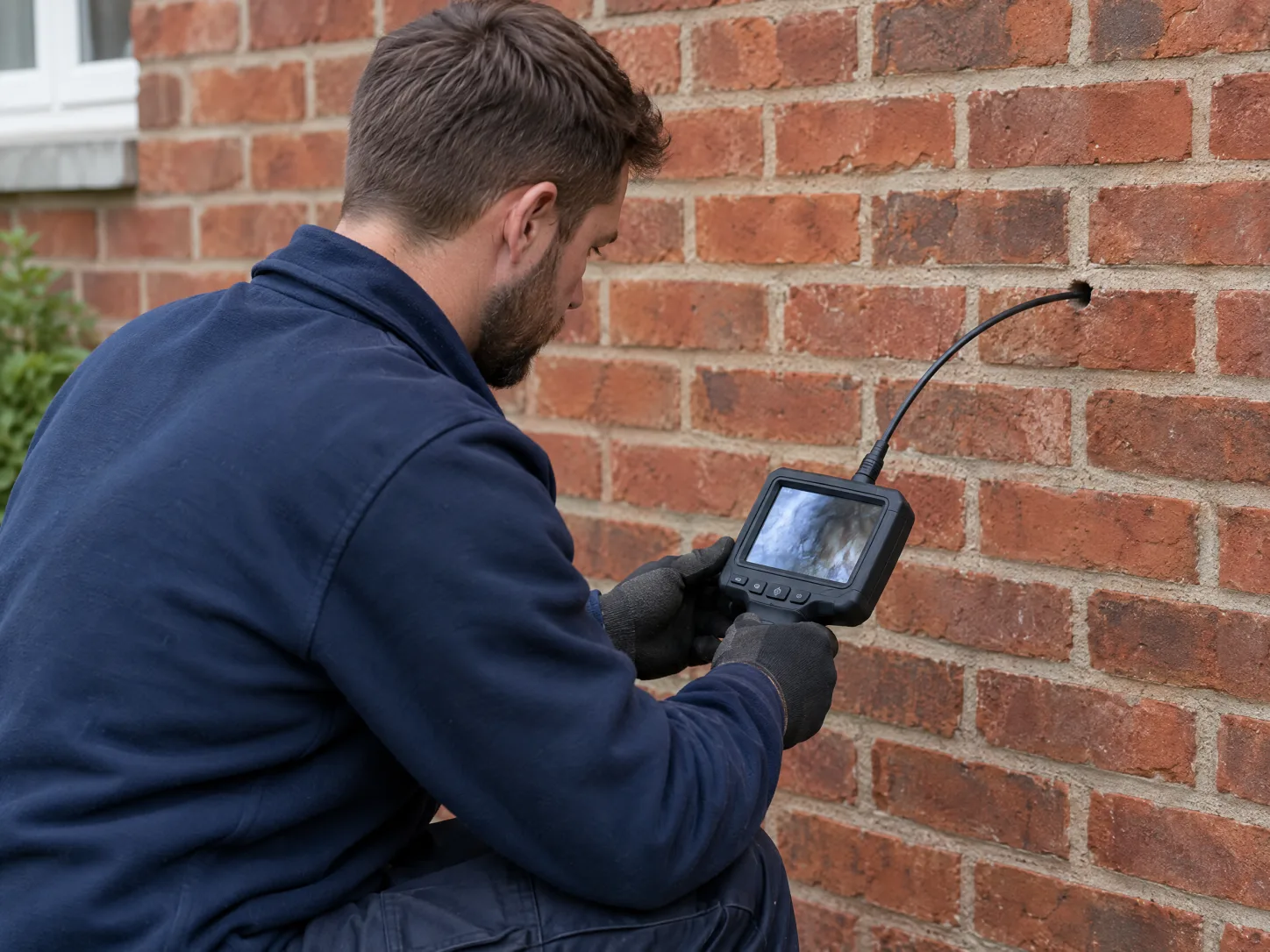
Cavity wall insulation problems: damp, suitability, guarantees
Who needs to be told, by measure and nation
The building control and planning position for each insulation measure, as it stood in September 2026. Listed buildings need consent everywhere.