- Condensation on the inside of windows comes from moisture in the air meeting cold glass, so cut moisture, ventilate and keep rooms evenly warm.
- Use extractor fans, lid your pans, dry laundry outside where you can and keep trickle vents open, as government guidance suggests.
- Water between the panes means a failed seal: the sealed unit can be replaced, and may be under warranty.
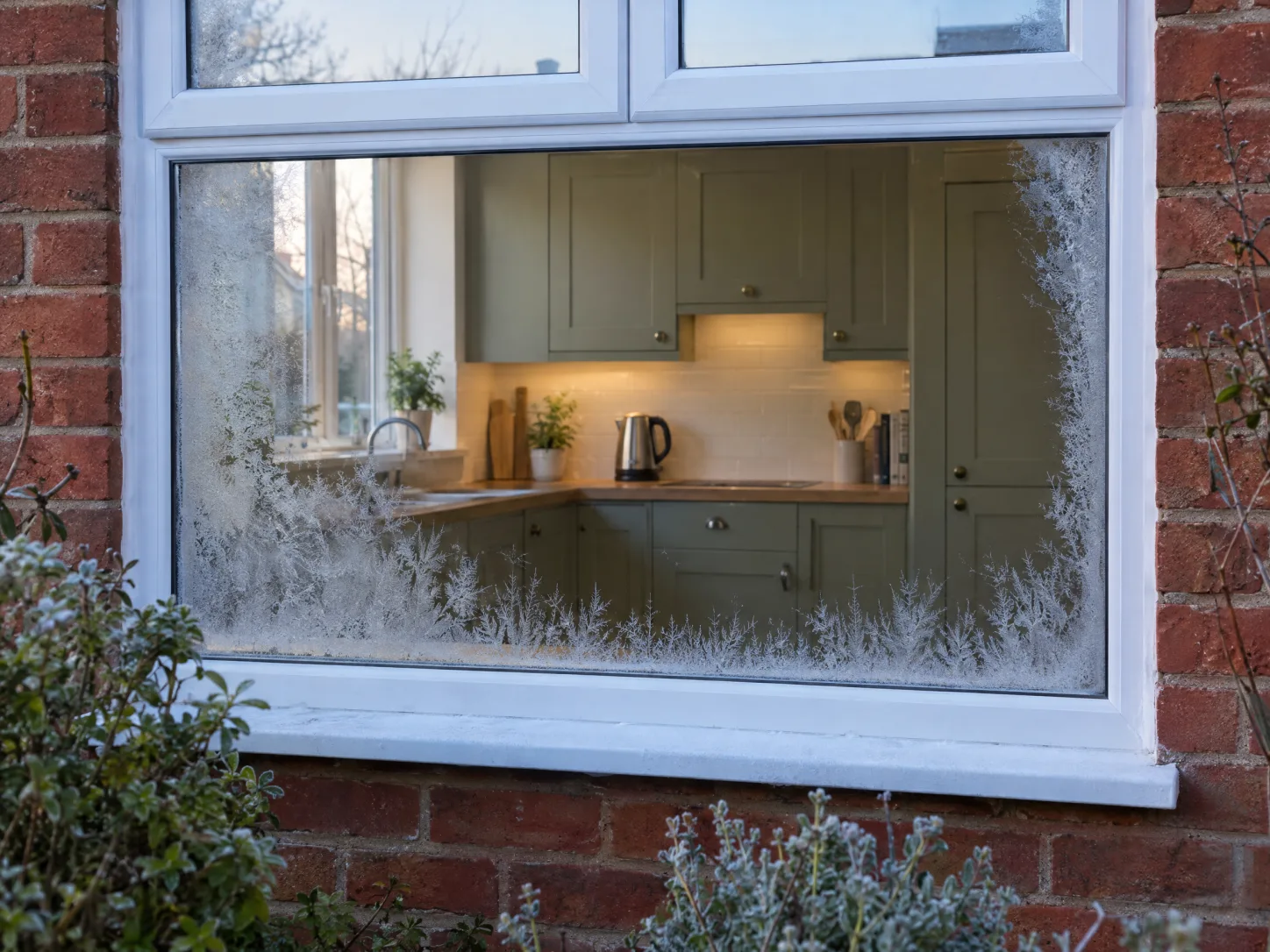
- Condensation on the outside of new windows is normal with energy-efficient glazing.
- New windows must not leave a home less well ventilated than before, so ask how background ventilation will be kept.
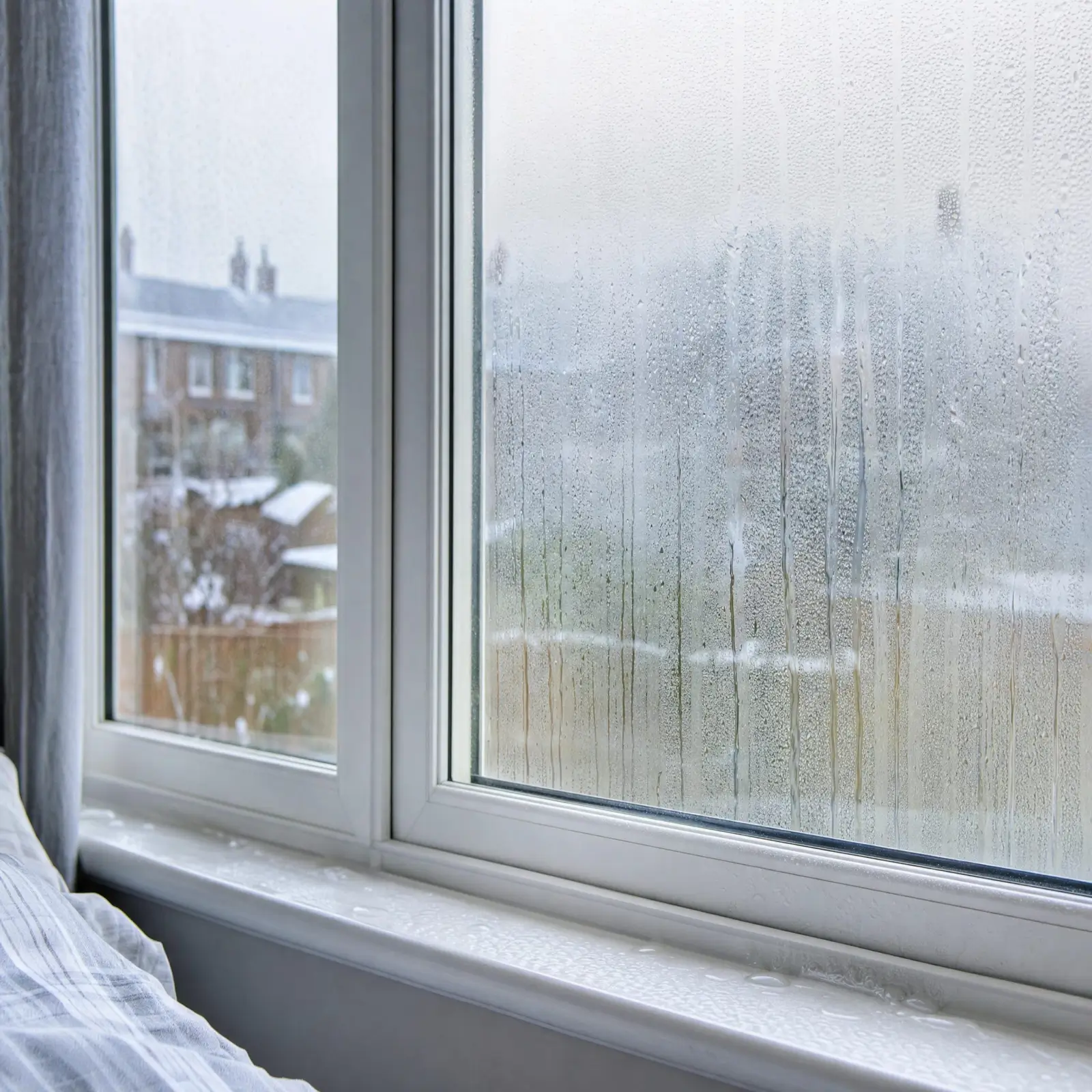
Condensation on the inside of your windows happens when warm, damp air in your home meets cold glass and turns back into water. You can cut it by producing less moisture, letting damp air out and keeping rooms evenly warm, and you should wipe it away before it causes mould.
Where the water appears tells you a lot. Water on the room side of the glass is a household moisture problem. Water between the panes means a failed sealed unit. Water on the outside of new glazing is usually a sign the window is doing its job.
What causes condensation on windows?
Everyday living puts moisture into the air. Showering, cooking and drying laundry all add to it, according to government guidance on damp and mould from the Ministry of Housing, Communities and Local Government and the UK Health Security Agency. When that moist air cools on a cold surface, it settles as water.
The same guidance calls condensation the most common form of damp. It typically forms on window frames, in corners and low down on walls, especially behind sofas and wardrobes.
Windows are often the coldest surface in a room, so they show it first. Which? points out that single-glazed windows are colder on the inside than double-glazed ones, so they attract more condensation. It also notes that bedroom windows are especially prone, because breath and body heat build up moisture overnight.
How do I stop condensation on the inside of my windows?
The government guidance suggests these everyday steps:
- Use extractor fans in the kitchen and bathroom, and leave them running for a while afterwards.
- Put lids on pans when cooking.
- Close internal doors while cooking or showering, so the steam stays in that room.
- Dry laundry outdoors where you can.
- Open windows wide after cooking or bathing, then close them once the air has changed.
- Keep trickle vents open and clear.
- Leave a gap between furniture and outside walls.
- Keep the home adequately heated.
Which? adds a few more. Wipe windows regularly with a towel, squeegee or window vac so the water does not damage frames or feed mould. Keep the heating on a constant, low setting. A dehumidifier, particularly at night or if you dry clothes indoors, will draw moisture out of the air.
If you rent, the government guidance is clear that damp and mould should not be blamed on "lifestyle choices". These tips help, but they do not replace a landlord fixing the underlying causes.
Why is there condensation between the panes of glass?
Water or mist trapped inside a double-glazed unit means the seal has broken down and let water vapour into the gap. The Double Glazing and Conservatory Ombudsman Scheme (DGCOS) explains that the fix is a replacement sealed unit, not a whole new window.
Before you pay for one, check your paperwork. Which? notes that double glazing often comes with a 10-year, 20-year or lifetime warranty, so a failed seal may be covered.
Why do my new windows have condensation on the outside?
Condensation on the outside of the glass is normal with energy-efficient glazing. DGCOS explains that thermally efficient windows are so good at keeping heat in that the outer pane gets cold enough for dew to form on it.
Our guide to window energy ratings and U-values explains how much heat different windows let through.
Will new windows stop condensation?
They can reduce it, but they are not a cure on their own. A better-insulated window keeps the inner pane warmer, so water is less likely to form on it. We cover the difference between glazing types in our guide to double vs triple glazing.
New windows also seal out draughts, and DGCOS warns that this can make condensation inside the home worse if moist air has nowhere to go. That is why ventilation matters when you replace windows. The government's ventilation guidance says work only meets the Building Regulations if ventilation in the building has not been made less satisfactory as a result. Ask your installer how the new windows will keep at least the background ventilation you have now, for example with trickle vents.
If you are weighing up replacement, our guide on whether new windows are worth it covers payback and cheaper fixes, and our window and door costs page shows typical prices.
Is condensation on windows harmful?
Water on the glass is not harmful in itself, but if it is left it can lead to damp and mould. The government guidance says damp and mould mainly affect the airways and lungs, causing coughing, wheezing and shortness of breath, and can make asthma worse.
People most at risk include children, older people, those with asthma or other lung conditions, people with weakened immune systems, and pregnant women. If mould keeps coming back despite good ventilation and heating, it is worth getting the cause investigated.
Common questions
Is it normal to have condensation on windows every morning?
A little on the inside on cold mornings is common, especially in bedrooms, as Which? notes. Heavy water that runs onto the sill every day points to too much moisture in the air or too little ventilation, and is worth tackling before mould appears.
Should I open a window to stop condensation in winter?
Yes, briefly. The government guidance suggests opening windows wide after cooking or bathing and closing them once the air has changed. Keeping trickle vents open gives steady background airflow without making the room cold.
Does a dehumidifier stop window condensation?
It helps by drawing moisture out of the air, and Which? recommends one if you dry clothes indoors. It works best alongside ventilation and steady heating rather than instead of them.
Can condensation between panes be fixed without replacing the window?
Usually, yes. DGCOS says a failed seal is fixed by replacing the sealed glass unit. Check whether it is still under warranty first.
Windows misting up every morning?
If your windows are single glazed or the seals have failed, get a free, no-obligation quote from a FENSA registered installer, with ventilation included in the plan.
Free and no obligation. We only share your details with the installers we match you with.
What the accreditations actually mean
Certification is the clearest signal you have that an installer is competent, and that you are protected if something goes wrong. Here is what each one covers.






Keep reading

Replacing windows checklist: survey to FENSA certificate