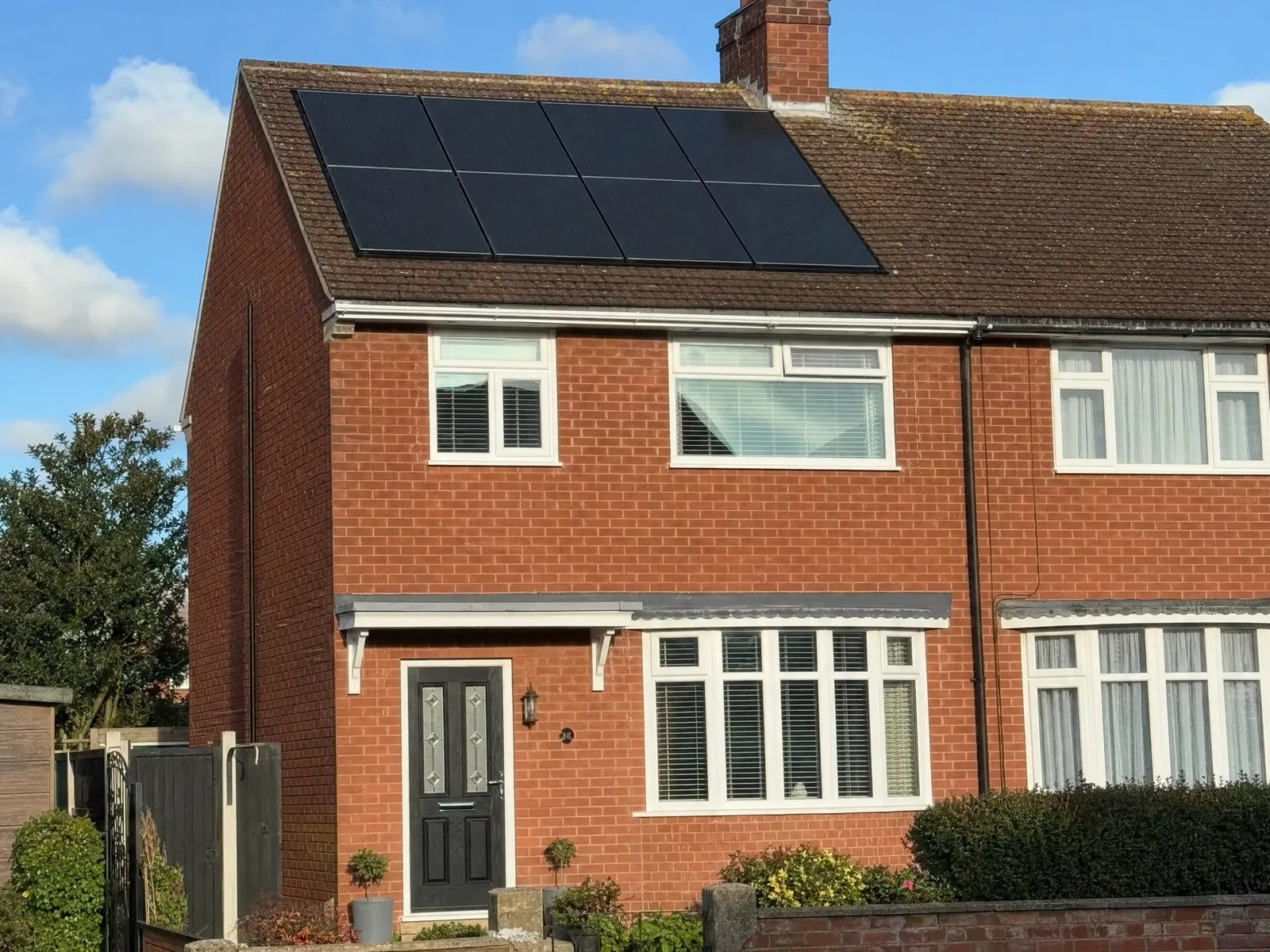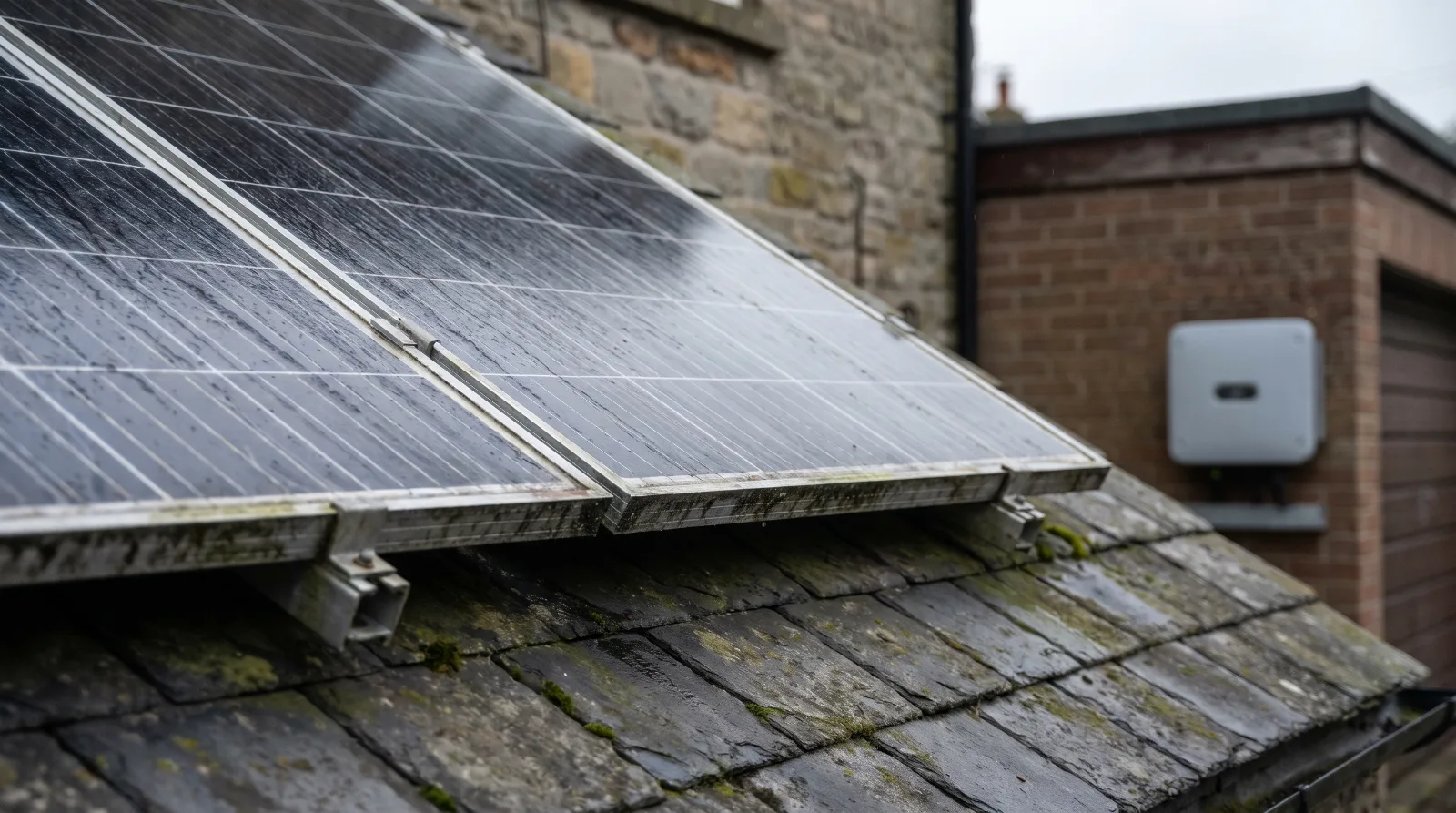
- Solar panels typically last 25 to 30 years, and many keep generating well beyond that.
- Output drops slowly, usually by about 0.2% to 0.5% a year.
- Most performance warranties promise at least 80% of the original output by the end of the warranty.
- Expect to replace the inverter once, usually after 10 to 15 years.
Most solar panels last 25 to 30 years, and many keep generating for longer. They do not suddenly stop working. Instead, their output falls slowly, by a fraction of a percent each year, so a 20-year-old system still produces most of what it did when new.
The part most likely to need replacing during that time is not the panels at all but the inverter. This guide explains what to expect from each part of a system, and how to keep it working well.
How long do solar panels last?
A typical lifespan is 25 to 30 years. Panels have no moving parts, so there is little to wear out. The glass, frame and cells are built to sit outside in all weathers for decades.
Industry figures put the usual loss of output, known as degradation, at about 0.2% to 0.5% a year. In a mild climate like the UK's, that means panels typically keep 90% to 96% of their output after 20 years. Output can drop a little faster in the first year, as the cells settle, before levelling off.
What does the warranty cover?
Solar panels usually come with two separate warranties:
- A product warranty, covering faults in materials and manufacture. This is often 10 to 25 years, depending on the brand.
- A performance warranty, promising the panels will still produce a set share of their rated output by a set date. Most guarantee at least 80% by the end of the warranty, which is commonly 25 years.
Your installer's workmanship is covered separately. An MCS-certified installer must offer a workmanship warranty, and many back it with insurance in case the firm stops trading. Keep every certificate and warranty document with your house paperwork.
How long does a solar inverter last?
The inverter turns the electricity your panels make into the kind your home uses. It works hard every day, so it usually wears out before the panels. Most last 10 to 15 years.
Plan to replace it once during your panels' life. A replacement string inverter for a typical home costs roughly £500 to £1,000 fitted, depending on the size and brand. Most inverters come with a five-year warranty as standard, and some makers sell extensions up to 15 years.
How long do solar batteries last?
If you add a battery, expect a shorter life than the panels. Makers usually warrant home batteries for around 10 years, or for a set number of charge cycles. Our solar battery storage guide covers the costs and when a battery pays.
How to make your solar panels last longer
- Check your output. Look at your app or inverter display every week or two. A sudden drop on a sunny day can point to a fault you can get fixed under warranty.
- Keep panels clear. In the UK, rain usually does the cleaning. If panels get heavily soiled, use a specialist cleaner with ground-level equipment. Never climb onto the roof yourself.
- Trim back trees. Shade costs output, and branches can scratch the glass in high winds.
- Book an inspection every few years. An installer can check fixings, cables and connections and spot problems early.
- Watch for birds. Pigeons nesting under panels can damage cables. Mesh guards fitted around the edge keep them out.
Signs your solar panels need attention
- Output well below the same month last year, with similar weather.
- Cracks, discoloured patches or bubbling on the panels.
- Error lights or messages on the inverter.
- Loose or corroded frames or fixings.
What happens at the end of their life?
When panels finally need replacing, they should be recycled. Solar panels are covered by the UK's waste electrical and electronic equipment rules, so they should not go to landfill. Ask your installer how they handle old panels.
Is it still worth installing panels with a 25-year life?
Yes, for most suitable homes. Payback is often well within the panels' working life, which leaves many years of lower bills after the system has paid for itself. Our guide to whether solar panels are worth it works through the sums, and solar panel costs shows typical prices.
Common questions
Do solar panels stop working after 25 years?
No. The 25-year figure is usually the length of the performance warranty, not the end of the panels' life. They simply keep producing at a slightly lower level.
Do cheaper panels wear out faster?
Not necessarily, but warranties are a useful guide. A longer product warranty and a stronger performance guarantee show how confident the maker is.
Should I replace old panels with new ones?
Only if they are faulty or producing far below their warranty. Working panels are usually worth keeping until they fail, and replacing the inverter first often solves a drop in output.
Want panels built to last?
Tell us your postcode for a free, no-obligation quote from an MCS-certified installer, with clear panel and inverter warranties.
Free and no obligation. We only share your details with the installers we match you with.
What the accreditations actually mean
Certification is the clearest signal you have that an installer is competent, and that you are protected if something goes wrong. Here is what each one covers.





Keep reading

How to choose a solar panel installer: 9 checks before you sign