- Replacing single glazing in a typical semi saves about £85 a year in Great Britain.
- At about £4,800 for the windows, energy savings alone take more than 50 years to repay.
- Comfort, noise, security, condensation and failed frames are the real reasons to replace.
- Secondary glazing and draught-proofing cut heat loss sharply for far less, especially in older homes.
- A misted sealed unit can often be replaced on its own, without a new frame.
On energy savings alone, new windows rarely pay for themselves within their working life: replacing single glazing in a typical semi saves about £85 a year in Great Britain against a cost of about £4,800. They are worth it for comfort, noise, security and failed frames, and where your windows still work, repair, draught-proofing or secondary glazing can get much of the benefit for less.
This guide is about value. For prices by material and style, see window and door costs; for choosing frames, see our windows and doors buying guide.
Do new windows pay for themselves?
Not on energy alone, in most of the UK. The Energy Saving Trust estimates that replacing single glazing with A-rated double glazing in a semi-detached home saves about £85 a year in Great Britain and £140 in Northern Ireland, where heating costs more. It puts a set of A-rated windows for a semi at about £4,800.
That is a long wait for the money to come back, as the worked example below shows. The honest case for new windows rests on other things.
Why replace windows, then?
The reasons that usually matter most are not on the energy bill:
- Comfort: fewer draughts and cold spots near the glass.
- Noise: well-sealed modern units cut outside noise, which matters on a busy road.
- Security: modern locks and frames are far harder to force than old hardware.
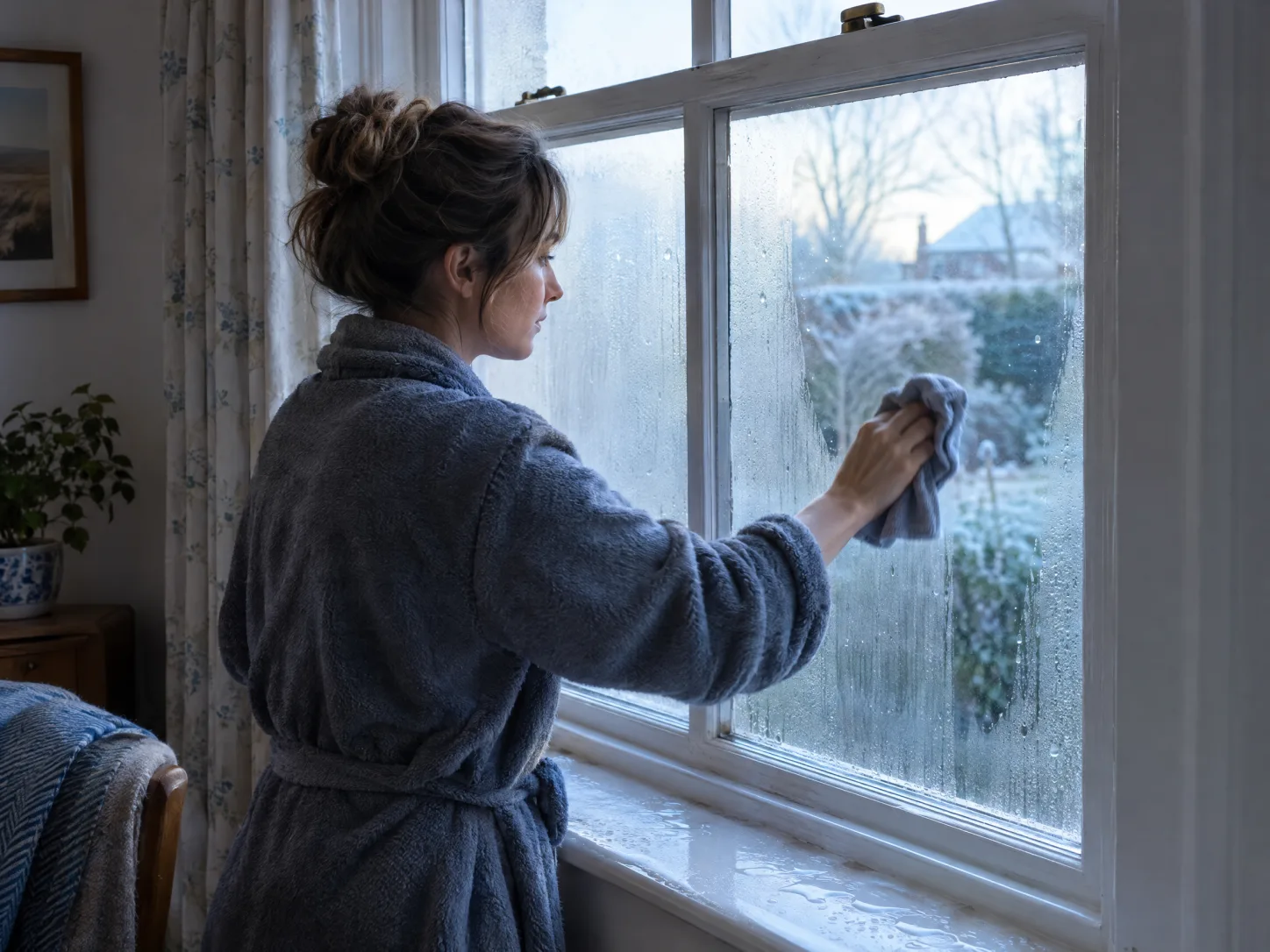
- Condensation: a warmer inner pane means less water on the glass and sills.
- Failure: rotten frames, broken hinges or blown seals that are past repair.
If one of these is driving the decision, new windows can be worth every penny. If none is, a cheaper fix may be the better use of the money.
What are the cheaper fixes?
Heritage bodies have measured what simpler measures do for existing windows. The results are striking, and several fixes need no permission at all.
Historic England says repairs to windows do not usually need consent, and notes that replacement units may need replacing again roughly every 30 years, while well-maintained traditional timber windows can last 60 to 100 years. For a period home, repair and secondary glazing often make more sense than replacement.
What if only one window has misted?
A misted or "blown" double-glazed unit has lost its seal. If the frame is sound, the sealed unit can often be replaced on its own, which the Energy Saving Trust notes is an option.
Replacing just the glass in an existing frame does not count as a new window under the building regulations in England, so it needs no certificate. It is usually a much smaller job than a new window.
A worked example: the payback on a semi
A semi-detached home in Great Britain replaces its single-glazed windows with A-rated double glazing:
- Cost: about £4,800, according to the Energy Saving Trust.
- Saving: about £85 a year in Great Britain.
- Payback: £4,800 ÷ £85 = about 56 years.
- In Northern Ireland: £4,800 ÷ £140 = about 34 years.
The Energy Saving Trust says new units last about 20 to 35 years, so in Great Britain the energy saving alone does not repay the cost within the windows' life. An older government factsheet from 2016 put the saving at £80 to £110 a year for an A-rated semi, which gives 44 to 60 years: the same conclusion.
If you are replacing windows that have already failed, the comparison changes. You are then weighing the cost of new windows against repairs or living with the problem, not against a saving.
Should you replace windows before selling?
No official source puts a figure on how much new windows add to a home's value, so treat any promise of a set amount with caution. What buyers and their surveyors do look for is the paperwork: a FENSA or equivalent certificate for any windows replaced since 2002 in England and Wales.
If you let a home in England, landlords are expected to reach EPC band C by October 2030. New windows are one of several measures that can help, alongside insulation and heating.
Questions to ask before you decide
- Can my existing windows be repaired, and what would that cost?
- Would secondary glazing work on these windows, and does the home need permission for it?
- Which windows are failing, and do all of them need replacing now?
- What are the whole-window U-value and energy rating of the windows you are quoting?
- What guarantee comes with the work, and is it insurance-backed?
Watch out for these
- "Pays for itself in 10 years." Ask for the working. The official figures point to a much longer payback on energy alone.
- "Adds thousands to your home's value." No official figure supports a set amount.
- Made-to-measure contracts. Citizens Advice warns that you may not get an automatic cooling-off period for windows made to your measurements, so read the contract before you sign.
- Selling whole windows for one misted unit. Ask whether the sealed unit alone can be replaced.
- False deadlines. "Price only valid today" offers are banned under consumer law if the deadline is not real.
How it differs across the UK
- Savings: about £85 a year in Great Britain and £140 in Northern Ireland for the Energy Saving Trust's typical semi.
- Heritage advice: Historic England covers England, Historic Environment Scotland covers Scotland, and Cadw covers Wales; all three favour repair of traditional windows where possible.
- Listed buildings: replacing windows in a listed building needs consent in every nation, and conservation areas may restrict changes.
- VAT: new windows and secondary glazing carry 20% VAT across the UK, while draught-proofing carries 0% until 31 March 2027.
Where to go next
- Compare prices by material and style on window and door costs.
- Choose frames and styles in our windows and doors buying guide.
- Decide between double and triple in Double or triple glazing?
- See what help exists, and how to spot scams, in window grants.
- See the options on windows and doors, check grants, or start from our windows and doors overview.
Decided your windows really need replacing?
Tell us about your home to get a free, no-obligation quote from a FENSA or Certass registered installer, so you can weigh the real cost against repair, secondary glazing or waiting.
Free and no obligation. We only share your details with the installers we match you with.
Common questions
Is it worth replacing 20 year old double glazing?
Only if it has failed, is draughty or no longer locks well. Sound double glazing of that age saves little extra energy when replaced, so a repair or new seals may be better value.
Is secondary glazing as good as double glazing?
For heat loss it can come close: Historic Environment Scotland measured a 63% cut in heat loss through a window with secondary glazing. It is also usually reversible, which suits period and listed homes.
Do new windows really make a difference?
Replacing single glazing makes a clear difference to comfort and draughts. Replacing sound double glazing makes a much smaller difference.
How can I make old windows warmer without replacing them?
Draught-proofing, then heavy curtains or blinds, then secondary glazing. Historic England found draught-proofing cut draughts through windows by up to 86%.
Do I need permission to replace my windows?
Usually not, if the new windows look similar and the home is not listed. Listed buildings need consent, and some conservation areas restrict changes, so check with your council first.
Decided your windows really need replacing?
Tell us about your home to get a free, no-obligation quote from a FENSA or Certass registered installer, so you can weigh the real cost against repair, secondary glazing or waiting.
Free and no obligation. We only share your details with the installers we match you with.
Keep reading
Condensation on windows: causes and how to stop it
Replacing windows checklist: survey to FENSA certificate
What each option does for an existing window
Measured cuts in heat loss or draughts from heritage bodies' research, set against replacing single glazing with new double glazing.