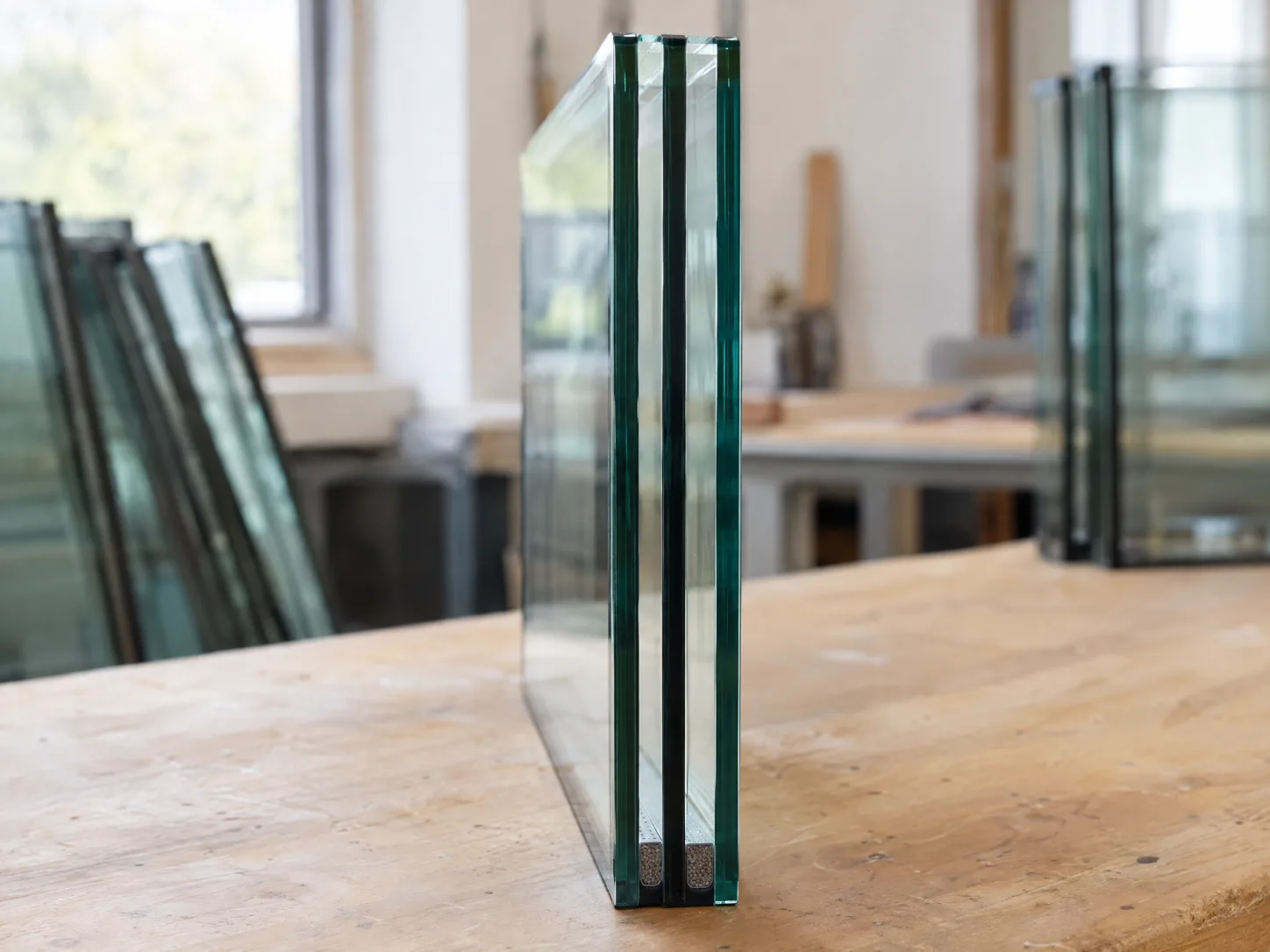
- Replacing single glazing with modern double glazing cuts heat loss through a window by about 70%.
- Triple glazing adds a smaller gain, and a poorly specified triple unit can match good double glazing.
- The rules allow double or triple glazing: they set a performance limit, not a number of panes.
- Triple glazing lets in less of the sun's heat: helpful in summer, a small cost in winter.
- No official source puts a yearly saving on triple over double glazing, so ignore precise claims.
Double glazing is enough for most homes: going from single to modern double glazing is the big step, and a third pane adds a much smaller gain for around a fifth more cost. Triple glazing makes most sense in rooms that face the weather, in homes built to very high standards, or where the frames can take the extra weight.
This guide compares the glass. For frame materials and window styles, see our windows and doors buying guide, and for prices, see window and door costs.
How much difference does the third pane make?
Less than the step from single to double. Using the default figures the government's energy rating method assumes when no tested figure exists, a single-glazed window loses about 175 watts of heat on a cold day, modern double glazing about 62 and triple glazing about 47.
The lower the U-value, the less heat escapes. Moving from single to double glazing removes most of the loss; the third pane removes a smaller share of what is left. Tested products usually do better than these defaults, so always ask for the figure of the exact window you are quoted.
Is a triple-glazed unit always better?
No. The specification matters as much as the number of panes. BRE, the building science body, notes that a thin 28mm triple unit with a plain centre pane reaches a U-value for the glass of about 1.2, which may be no better than good double glazing.
A thicker 44mm unit reaches about 0.9, and about 0.6 with low-emissivity coatings on two panes. BRE also warns that the centre pane of a triple unit can get much hotter than in double glazing, so it may need toughened glass, which adds cost.
What do the rules require?
The building regulations set a performance limit, not a number of panes. In England, Wales and Scotland, a replacement window must reach a whole-window U-value of 1.4 or a Window Energy Rating of band B. In Northern Ireland the limit is 1.6 or band C.
Good double glazing meets these limits, so triple glazing is never required by law for a replacement window. Our guide to window energy ratings and U-values explains how the ratings work and how to check them.
What about solar gain, noise and condensation?
Solar gain. Each extra pane lets in a little less of the sun's heat. In the government's defaults, triple glazing with low-emissivity coatings lets in 57% of the sun's heat against 63% for similar double glazing. That helps a little against summer overheating, but it also means less free heat in winter.
Noise. Noise reduction depends on the thickness of the glass and the gaps in each unit, not just the number of panes. No official source compares double and triple glazing in general, so ask for the tested sound reduction figure of the units you are offered.
Condensation. A better-insulated unit keeps the inside pane warmer, so condensation on the glass is less likely. Condensation also depends on how humid the room is and how well it is ventilated.
Which rooms suit triple glazing?
Triple glazing is most worth considering:
- on walls exposed to wind and weather, especially facing north;
- in homes being upgraded to a very high standard, alongside good insulation and airtightness;
- where the frames are designed for it: triple units are heavier, and Historic England advises heavier units only where the window can carry the extra size and weight.
For south-facing rooms that catch the winter sun, or a home with other bigger heat losses, double glazing is usually the better use of the money.
A worked example: one window, three choices
Take one window of 1.23 by 1.48 metres, the size the rating method uses, with 20°C inside and 0°C outside.
- Single glazing (4.8): 4.8 × 1.82 m² × 20 = about 175 watts.
- New double glazing at the legal limit (1.4): about 51 watts, a cut of 124 watts, or about 70%.
- Default triple glazing (1.3): about 47 watts, just 4 watts better than a double-glazed window at the limit.
The Energy Saving Trust puts triple glazing at about 20% more than double. On its typical £4,800 for a semi-detached home's windows, that is about £960 extra. No official source gives a yearly bill saving for triple over double glazing, so treat any precise figure with caution.
Questions to ask your installer
- What is the whole-window U-value of each window you are quoting, and the Window Energy Rating?
- Is that rating certified, and can I check it on the BFRC's licence search?
- How thick is each unit, and which panes carry low-emissivity coatings?
- Do the frames and hinges suit triple glazing's extra weight?
- What is the tested sound reduction of the units, if noise matters to me?
Watch out for these
- "Triple glazing is required by law." It is not; the rules set a performance level that good double glazing meets.
- Unverified "A-rated" claims. Only companies licensed by the BFRC can use its labels. Look for the sticker on the inside of the frame, and check the licence online.
- A glass figure passed off as the window figure. The centre-pane U-value is always better than the whole-window value; ask for both.
- "Offer ends today" deals. False time limits are banned under consumer law; a genuine quote gives you time to decide.
How it differs across the UK
- England, Wales and Scotland: replacement windows must reach 1.4 or Window Energy Rating band B. Scotland allows the rating route for existing buildings.
- Northern Ireland: replacement windows must reach 1.6 or band C.
- New editions: England's and Wales's updated energy rules from March 2027 keep the same limits for windows.
- Savings: the Energy Saving Trust publishes separate figures for Great Britain and Northern Ireland, because heating costs differ.
Where to go next
- Choose frames and styles in our windows and doors buying guide.
- See prices on window and door costs, and the options on windows and doors.
- Decide whether new windows pay back in Are new windows worth it?
- Check what help exists on window and door grants, or start from our windows and doors overview.
Choosing your glazing? Get a free quote
Tell us about your windows to get a free, no-obligation quote from a FENSA or Certass registered installer, with the glazing and energy rating of each window set out before you decide.
Free and no obligation. We only share your details with the installers we match you with.
Common questions
Is triple glazing worth it in the UK?
For most homes, good double glazing gets most of the benefit for less money. Triple glazing earns its place on exposed walls, in very well-insulated homes and where the frames are built for it.
Does triple glazing improve an EPC?
It can improve the window part of the assessment, but the effect is small compared with replacing single glazing or insulating walls and lofts.
Is it worth replacing double glazing with triple glazing?
Rarely on energy grounds alone, because the gain over sound double glazing is small. Replacing failed or very old double glazing is a different question: see Are new windows worth it?
Can aluminium windows be triple glazed?
Yes, many can. Aluminium frames lose more heat than timber or PVC-U unless they have a good thermal break, so check the whole-window U-value, not just the glass.
Is triple glazing more secure?
Security depends on the locks, hinges, frame and laminated or toughened glass, not the number of panes. Ask what security standard the windows are tested to.
Choosing your glazing? Get a free quote
Tell us about your windows to get a free, no-obligation quote from a FENSA or Certass registered installer, with the glazing and energy rating of each window set out before you decide.
Free and no obligation. We only share your details with the installers we match you with.
Keep reading
Condensation on windows: causes and how to stop it
Replacing windows checklist: survey to FENSA certificate
How glazing types compare on heat loss
The default figures energy ratings assume when no tested figure exists, and the heat lost through one typical window on a cold day.