- The government says most cavity wall insulation has been fitted in suitable homes to good standards.
- Damp follows unsuitable walls: exposed to driving rain, in poor repair, too narrow or timber framed.
- Building regulations guidance links how exposed a wall can be to its cavity width and finish.
- If damp appears after filling, contact the installer first, then the guarantee provider.
- A CIGA guarantee lasts 25 years, passes to new owners and is void if the fill is disturbed.
Cavity wall insulation causes damp when it goes into a wall that should not have been filled: one exposed to wind-driven rain, in poor repair, with too narrow a gap, or timber framed. Check the wall passes those tests before work starts, keep the guarantee, and if problems appear, go to the installer first and the guarantee provider second.
That order matters. The government's consumer guide says "most cavity wall insulation has been completed in suitable homes to good standards", so a problem is the exception, and it is usually one that could have been spotted in the survey.
Does cavity wall insulation cause damp?
Not in a suitable wall that has been filled properly. A cavity wall's gap was designed to stop rain soaking through to the inside, and filling it gives rain a path across if the outer brick lets water in.
That happens when the outer skin is porous or damaged, when the wall faces heavy wind-driven rain, or when rubble or mortar in the cavity bridges the gap. Damp patches, mould or condensation on the inside of outside walls that start after the work are the signs to act on.
Which walls should not be filled?
Approved Document C, the building regulations guidance for England on moisture, sets out the checks. A wall should not be filled if any of these apply:
- The cavity is too narrow. The table in the guidance starts at 50mm; narrower gaps are not covered.
- The wall is framed. Timber and steel-framed walls need a vented and drained cavity, so the gap must stay empty.
- The outer leaf is in poor condition. Cracked render, failed pointing and porous brick need repair first.
- The wall is too exposed for its finish. How much wind-driven rain the wall faces decides whether it can be filled, as the next section explains.
Historic England adds one more: narrow cavities in 19th century houses should be treated as solid walls and not filled.
How is exposure to wind-driven rain checked?
Approved Document C divides the UK into four zones on a map, from 1, the most sheltered, to 4, the most exposed. Find your zone, adjust it for your site, then check the table below for your cavity width and wall finish.
The finish matters as much as the location. Render or cladding over the whole wall keeps most rain off the brick, so those walls can be filled in exposed places. Bare facing brick with recessed mortar joints, where the mortar sits back from the brick face, can only be filled in the most sheltered zone.
A worked example: checking one wall
Take a house on an open hillside with bare facing brick and a 75mm cavity.
- The map puts it in zone 2.
- The open hillside funnels wind onto the wall, so add one: zone 3.
- The front wall faces the prevailing wind, so no subtraction.
- With recessed mortar joints, the table allows zone 1 at most. Zone 3 is higher, so this wall should not be filled.
- If the joints were tooled flush with the brick, the limit would be zone 3, and the wall would pass.
- The back wall, which does not face the prevailing wind, drops one zone to 2. With flush joints it passes easily.
A good surveyor does this for every elevation, not just the front. Ask to see the working.
What does a failed installation look like?
The signs usually appear on the inside of outside walls, often after the first wet winter:
- damp patches or tide marks that were not there before;
- mould behind furniture on outside walls;
- cold spots or condensation in one part of a wall.
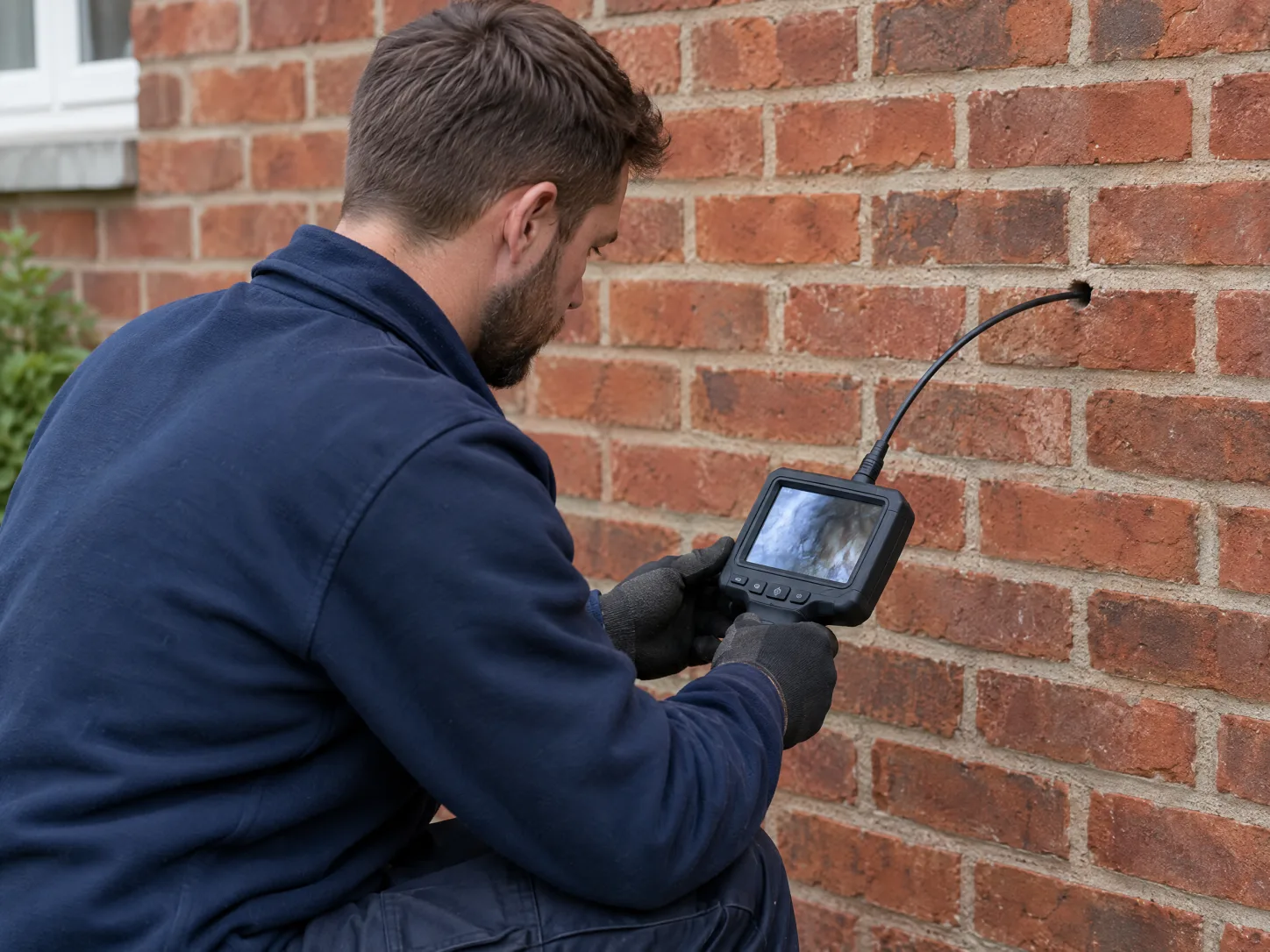
Some problems come from the installation itself: gaps left unfilled, debris bridging the cavity, or airbricks and vents blocked during the work. A borescope inspection through a small hole shows what is inside the wall.
How do cavity wall insulation guarantees work?
Cavity wall insulation fitted by a CIGA-registered installer comes with a 25-year guarantee from CIGA, the Cavity Insulation Guarantee Agency. As of September 2026, CIGA says:
- the guarantee lasts 25 years and passes to later owners of the house;
- it is void if the insulation is altered or disturbed, for example by drilling for other work without care;
- you should report a problem to the installer first, and contact CIGA if it is not resolved within two months;
- CIGA acknowledges a concern within 2 working days, arranges an inspection within 5 and reports within 27;
- remedial work is covered up to a limit, currently £20,000;
- a lost guarantee can be replaced for £60 including VAT.
If your installer was registered with TrustMark, TrustMark requires a guarantee of at least two years on the work, and its complaints process can refer an unresolved case to an ombudsman.
Should cavity wall insulation be removed?
Only where a survey shows it is causing a problem that repairs will not fix. Extraction is a significant job, and removing insulation that is working gains nothing.
If a guarantee applies, the guarantee provider decides the remedy, so use that route first. Under ECO4, removing insulation is not itself a funded measure, and support for replacing it applies only in limited cases where no guarantee exists. ECO4 closes on 31 December 2026.
Before you agree to cavity fill: a checklist
- The surveyor has looked inside the wall with a borescope and confirmed the cavity width.
- Each elevation has been checked for exposure, with the zone and adjustment written down.
- The outer brick, pointing and render are sound, or repairs are agreed first.
- The wall is not timber or steel framed, and not a narrow 19th century cavity.
- Airbricks and vents will be kept clear, with sleeves fitted where needed.
- You will receive a CIGA or equivalent 25-year guarantee, and your installer's details.
Watch out for these
- Claims companies at the door or on the phone. The government's guide advises checking identification, never handing over your guarantee or bank details, and never signing on the doorstep. CIGA warns that going through a claims company can delay a claim.
- Callers claiming to be from CIGA. CIGA says it does not make cold calls.
- Other building work. Drilling through the wall or disturbing the fill can void the guarantee, so tell any builder the cavity is filled.
- Extraction sold as the only answer. Get an independent survey, and check your guarantee, before paying for removal.
How the rules differ across the UK
- England and Wales: filling a cavity is building work under the Building Regulations. The installer should be registered with a government-approved scheme that lets them sign off their own work, or notify building control. The approved schemes differ between the two nations.
- Scotland: no building warrant is needed for cavity insulation, but the work must still meet the building standards.
- Northern Ireland: cavity insulation needs a building regulations application to the council.
- CIGA guarantees cover cavity wall insulation fitted across the UK and the Channel Islands.
Where to go next
- Check your walls first with Solid or cavity walls? How to tell.
- See whether it repays the cost in Is insulation worth it?
- Plan the job and the paperwork with the insulation checklist.
- Compare prices on insulation costs and look for help on insulation grants.
- See how cavity fill compares with other measures on home insulation types, or start from our insulation overview.
Get your walls checked before they are filled
Tell us about your home to get a free, no-obligation quote for cavity wall insulation from a TrustMark-registered installer, with the wall's condition and exposure checked before any work is agreed.
Free and no obligation. We only share your details with the installers we match you with.
Common questions
Should I buy a house with cavity wall insulation?
It is not a reason to walk away. Ask the seller for the guarantee, check for damp on outside walls, and ask your surveyor to confirm the walls were suitable for filling.
What happens to cavity wall insulation after 25 years?
The guarantee ends, but the insulation keeps working unless the wall has been damaged or disturbed. Check the outside walls and pointing as part of normal maintenance.
Can cavity wall insulation block airbricks?
It should not. Airbricks that ventilate a suspended floor or a room with a fuel-burning appliance must stay clear, and the installer should fit sleeves through the cavity where needed to keep them open.
How do I find out who installed my cavity wall insulation?
Your guarantee names the installer. If you do not have it, CIGA can check whether a guarantee is registered for your address and issue a replacement.
Is cavity wall insulation still a good idea?
In a suitable wall, yes. It costs far less than solid wall insulation, and official measurements show a median 12% cut in gas use. The key is checking the wall first.
Get your walls checked before they are filled
Tell us about your home to get a free, no-obligation quote for cavity wall insulation from a TrustMark-registered installer, with the wall's condition and exposure checked before any work is agreed.
Free and no obligation. We only share your details with the installers we match you with.
Keep reading
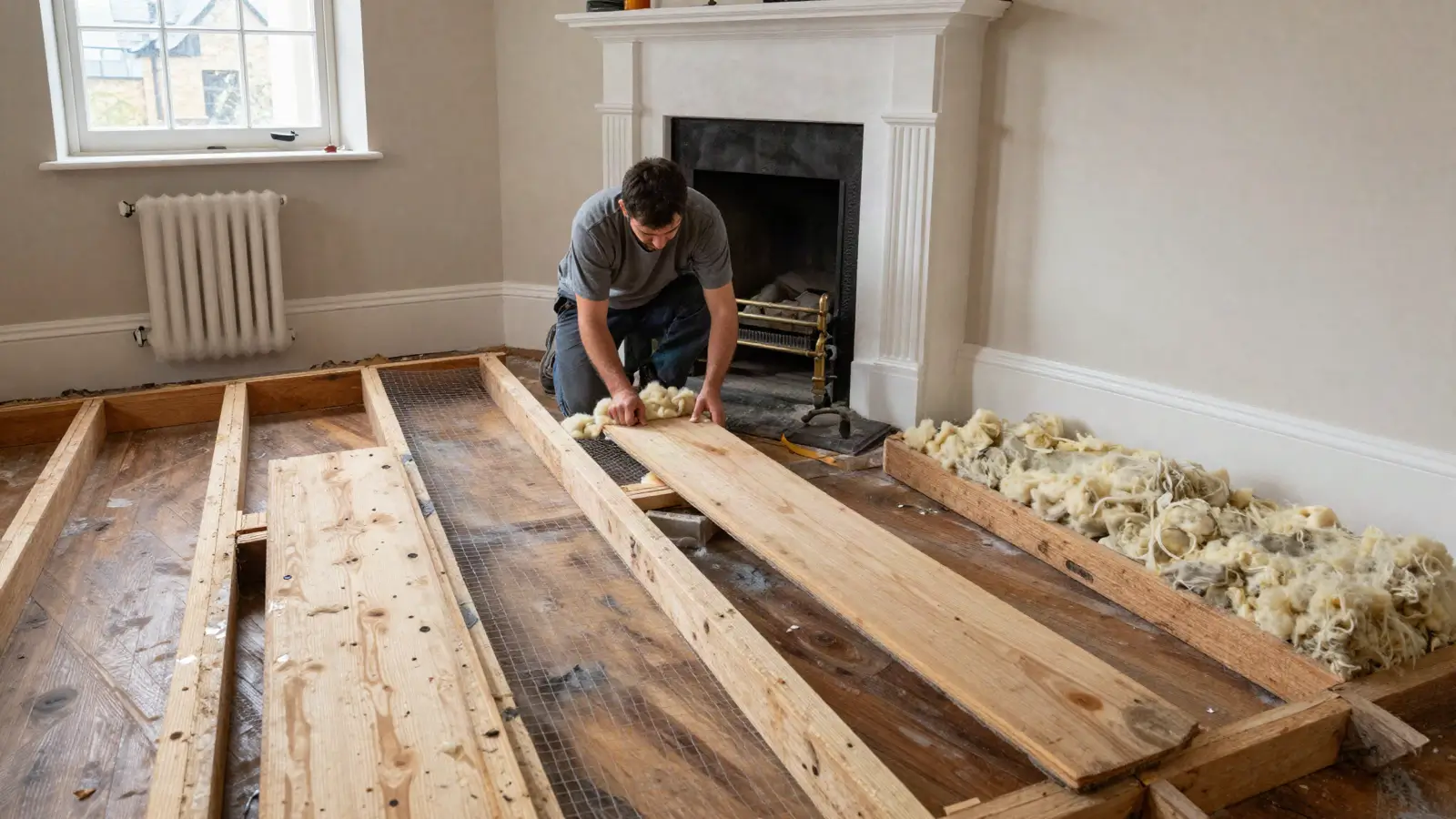
Underfloor insulation and draught proofing: cheap fixes for a cold house
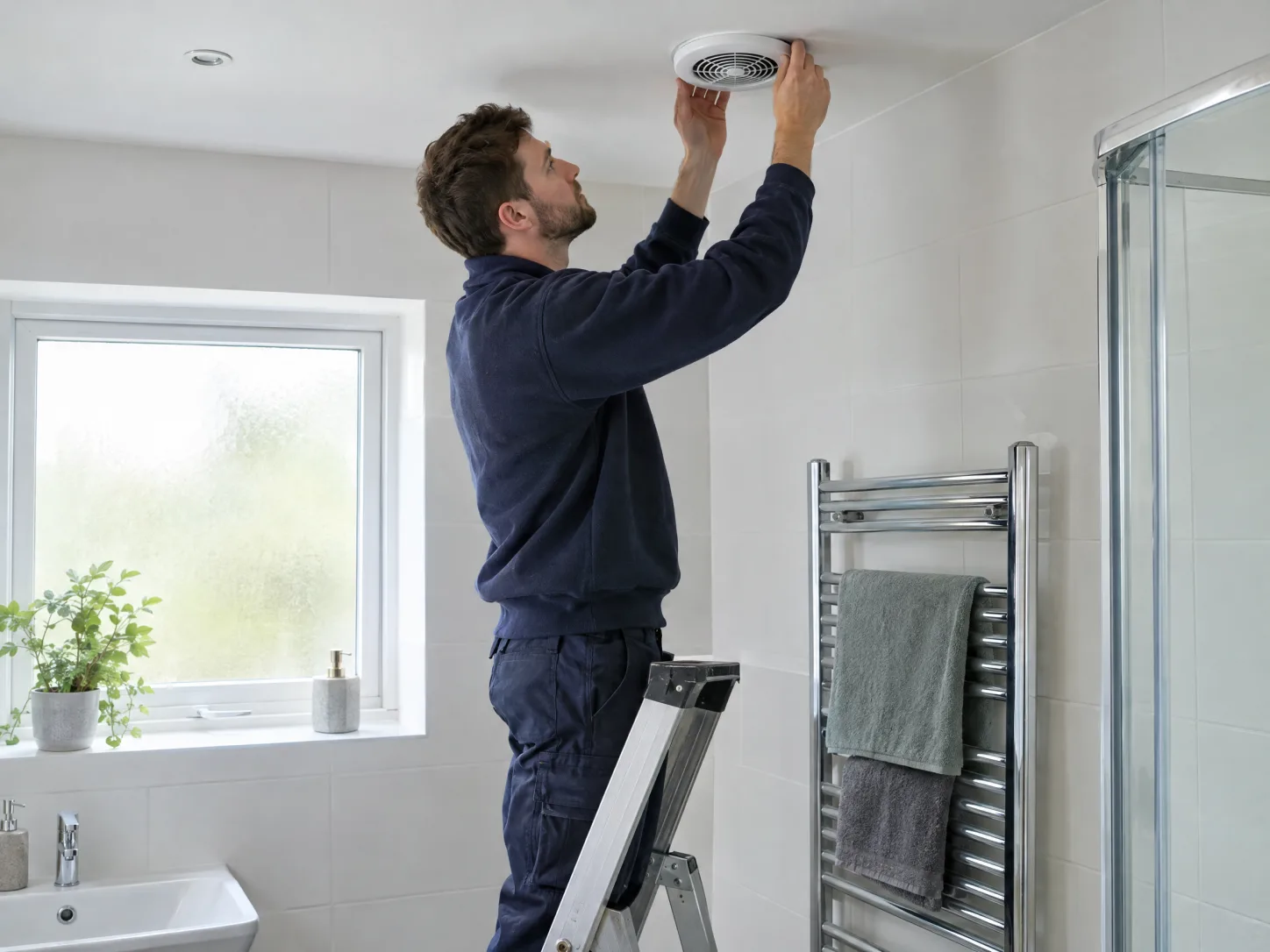
Insulation checklist: permissions, ventilation and paperwork
How exposed a wall can be for cavity fill
The most exposed zone in which each wall finish can take injected cavity fill, by the width of the cavity.
Find your zone on the map in Approved Document C, Diagram 12. Add one if the site funnels wind onto the wall, such as an open hillside or a valley, and subtract one if the wall does not face the prevailing wind. A wall is suitable only if its adjusted zone is no higher than the figure in the table.