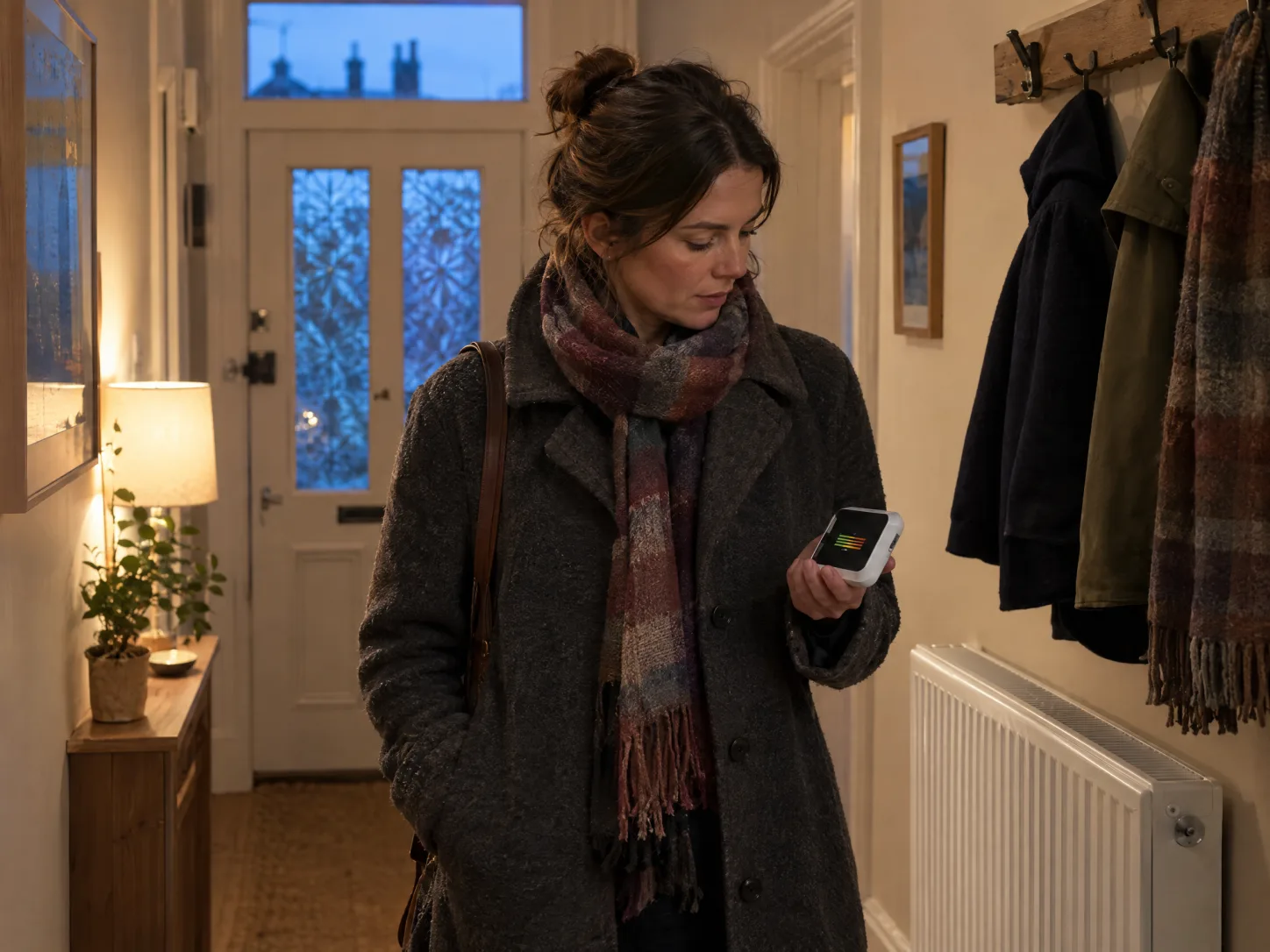
- Official measurements of real homes show a median gas saving of 12% from cavity wall insulation.
- Measured savings are often half the modelled figures, so payback can take twice as long as quoted.
- Do repairs and draught-proofing first, then loft and cavity, then solid walls and floors.
- Solid wall insulation rarely pays back on energy alone; do it when you re-plaster or re-render anyway.
- A top-up to a loft that already has some insulation saves little, so check the depth before paying.
Loft and cavity wall insulation usually repay their cost in an uninsulated home, while solid wall insulation rarely does on energy savings alone. Official measurements of real homes show smaller savings than the headline estimates, so start with the cheap, low-risk measures and check the numbers for your own house.
This guide covers value and order. For prices by measure and home size, see insulation costs, and to check what your walls, loft and floor can take, see Solid or cavity walls? How to tell.
Does insulation pay for itself?
It depends on three things: what the work costs, how much energy it saves, and what that energy costs you. Simple payback is the cost divided by the yearly saving. A £2,200 job that saves £200 a year pays back in 11 years; the same job saving £100 a year takes 22.
The saving is the hard part to pin down, because there are two kinds of figure.
Modelled savings estimate what a typical home should save if it is heated to a standard pattern. Measured savings come from DESNZ comparing real gas use before and after insulation with similar homes that had none. Measured figures are usually lower, and they show what households typically get.
Both are useful. The modelled figure tells you what the insulation can do; the measured one tells you what households typically get.
What do official measurements say each measure saves?
DESNZ tracks the gas use of homes in England and Wales before and after insulation. For work fitted in 2023, the median household saved 12.0% of its gas after cavity wall insulation, 17.3% after solid wall insulation and 3.2% after loft insulation, which in most of those homes was a top-up rather than a first layer.
Two points follow from the table. Walls matter more than lofts once a loft has some insulation, and the measures with the biggest savings are also the most disruptive and expensive.
DESNZ also found that wall insulation savings held up over five years, while loft savings were about a tenth lower by year five.
Which measure should you do first?
The national retrofit standard, PAS 2035, sets out the order that gives the most for your money and avoids undoing earlier work:
- Repairs first. Fix leaking gutters, damaged pointing, cracked render and damp. Insulating a wet wall traps the moisture.
- Low-cost measures. Draught-proofing and a loft top-up are cheap and quick.
- Walls and floors. Cavity fill if you have cavities, then solid wall or floor insulation.
- Heating. A smaller, better-controlled system once the house needs less heat.
- Renewables. Solar panels or a heat pump last.
PAS 2035 notes that a heating system lasts about 15 years while insulation may last 60, which is the reason for doing the fabric first: the building then needs less heat for the life of every system after it.
When is insulation not worth it?
Sometimes the honest answer is to wait, or not to bother.
- Topping up a loft that already has insulation. The Energy Saving Trust estimates a top-up from 120mm to 270mm saves about £17 a year in Great Britain. It is cheap, but check the depth before anyone sells you a full new loft.
- Solid wall insulation on its own. Internal insulation costs about £12,000 for a semi-detached home, according to the Energy Saving Trust. Against the measured median saving of about £148 a year, that is more than 80 years, far longer than the job's likely life.
- Walls that are damp or exposed. Cavity fill in a wall that fails the exposure check can cause damp. Our guide to cavity wall insulation problems explains the test.
- Work that disturbs a guarantee. If a cavity was filled before, check for an existing guarantee before anyone drills again.
When should you insulate?
When you are doing other work to the same part of the house. Re-plastering a room, re-rendering an outside wall or lifting floorboards brings the cost of insulating down sharply, because the scaffolding, the labour and the making good are already paid for.
The building regulations in England push the same way. If you renovate more than half of a wall, for example by re-rendering it or dry-lining it, Approved Document L expects the whole wall to be brought up to a better insulation standard where that pays back within 15 years.
There is also a tax window. Installing insulation carries 0% VAT until 31 March 2027, then 5%, as of September 2026. On a £2,200 job, that is £110 more from April 2027.
A worked example: cavity fill in a three-bed semi
A gas-heated, three-bedroom semi-detached home with empty cavity walls:
- Cost: about £2,200, the Energy Saving Trust figure on our cost page.
- Modelled saving: £200 a year (Energy Saving Trust). Payback: £2,200 ÷ £200 = 11 years.
- Measured saving: the DESNZ median of 1,208 kWh of gas × 7.97p, the October to December 2026 price cap rate = about £96 a year. Payback: £2,200 ÷ £96 = about 23 years.
- After 31 March 2027: 5% VAT adds £110, about one more year at the measured saving.
So cavity fill in this home probably pays back somewhere between 11 and 23 years, within the 25 years a CIGA guarantee covers. It is worth doing. The same arithmetic for internal solid wall insulation gives 43 years at the modelled saving and more than 80 at the measured one, which is why that measure belongs with renovation work.
If your home is heated by electricity, every kilowatt hour saved is worth about three times as much: 26.32p against 7.97p for gas at the current cap, so payback is far quicker.
What else does insulation change?
Energy bills are not the whole case. A warmer, less draughty home is more comfortable, and insulating walls and lofts usually improves the EPC rating that a buyer or tenant sees.
If you let a home in England, the legal minimum is currently EPC band E, and the government aims for band C by 2030. No official source puts a figure on how much insulation adds to a home's value, so treat any claim that it adds a set amount with caution.
Questions to ask before you pay
- Which measures do you recommend, in what order, and why?
- What saving do you expect, and is that a modelled or measured figure?
- How deep is my loft insulation now, and what will the top-up add?
- Does my wall pass the exposure check for cavity fill?
- What will you do about ventilation after the work?
- Which guarantee comes with the work, and who backs it?
Watch out for these
- Cold callers who say your insulation must be replaced. Citizens Advice warns that most insulation works properly and that calls like this can be scams.
- Payback claims with no working. Ask whether a saving is modelled or measured, and for which size of home.
- External wall insulation fitted badly. The National Audit Office found major problems in 98% of homes that had external wall insulation under the ECO scheme. Choose an installer carefully and ask about their guarantee.
- Pressure to sign on the spot. A contract signed at home can normally be cancelled within 14 days.
How the picture differs across the UK
- Energy prices: the price cap used in the example covers Great Britain. Northern Ireland has its own market, and the Energy Saving Trust publishes separate figures there, for example £20 a year for the loft top-up against £17 in Great Britain.
- Scotland: Home Energy Scotland funding expects loft and cavity insulation to be done before other measures.
- Northern Ireland: loft and cavity insulation need a building regulations application to the council, which adds a little time.
- Electricity VAT: household electricity has carried no VAT in Great Britain since 1 October 2026, and the Autumn Budget extended the zero rate until July 2027 (updated 16 November 2026); Northern Ireland stays at 5%.
- Gas standing charges: in Great Britain, the government has asked Ofgem to remove the standing charge from household gas bills in 2027 or as soon as possible after, moving its cost into the price of each unit of gas (updated 16 November 2026). If it goes ahead, every unit of gas that insulation saves will be worth a little more, which shortens the payback figures above, most of all in larger or draughty homes that use a lot of gas. Our post on gas standing charges being scrapped explains who gains and who could pay more.
Where to go next
- Compare prices by measure and home size on insulation costs.
- Check what help you could get on insulation grants.
- See what each measure involves on home insulation types.
- Work out what your home can take in Solid or cavity walls? How to tell.
- If you have cavity walls, read cavity wall insulation problems, or start from our insulation overview.
Ready to insulate the parts that pay back?
Tell us about your home to get a free, no-obligation quote from a TrustMark-registered installer, and find out which measures suit your walls, loft and floor before you commit to anything.
Free and no obligation. We only share your details with the installers we match you with.
Common questions
How long does insulation last?
Well-fitted insulation lasts for decades. The Energy Saving Trust puts loft insulation at about 40 years, and DESNZ found wall insulation savings still holding five years after fitting.
Is it worth topping up loft insulation?
If you have less than 125mm, yes, because it is cheap. If you already have around 120mm or more, the saving is small, about £17 a year in Great Britain for a top-up to 270mm.
Is cavity wall insulation worth it?
Usually, if your walls are suitable. Official measurements show a median gas saving of 12%, and the cost is modest, so payback is typically within the life of the guarantee.
Does insulation improve my EPC rating?
Usually, yes. Walls, lofts and floors are all part of the assessment, and a certificate lists missing insulation among its recommended measures.
What are the downsides of insulation?
Disruption for solid wall work, slightly smaller rooms with internal insulation, and a risk of damp if ventilation is not kept right or an unsuitable wall is filled.
Ready to insulate the parts that pay back?
Tell us about your home to get a free, no-obligation quote from a TrustMark-registered installer, and find out which measures suit your walls, loft and floor before you commit to anything.
Free and no obligation. We only share your details with the installers we match you with.
Keep reading
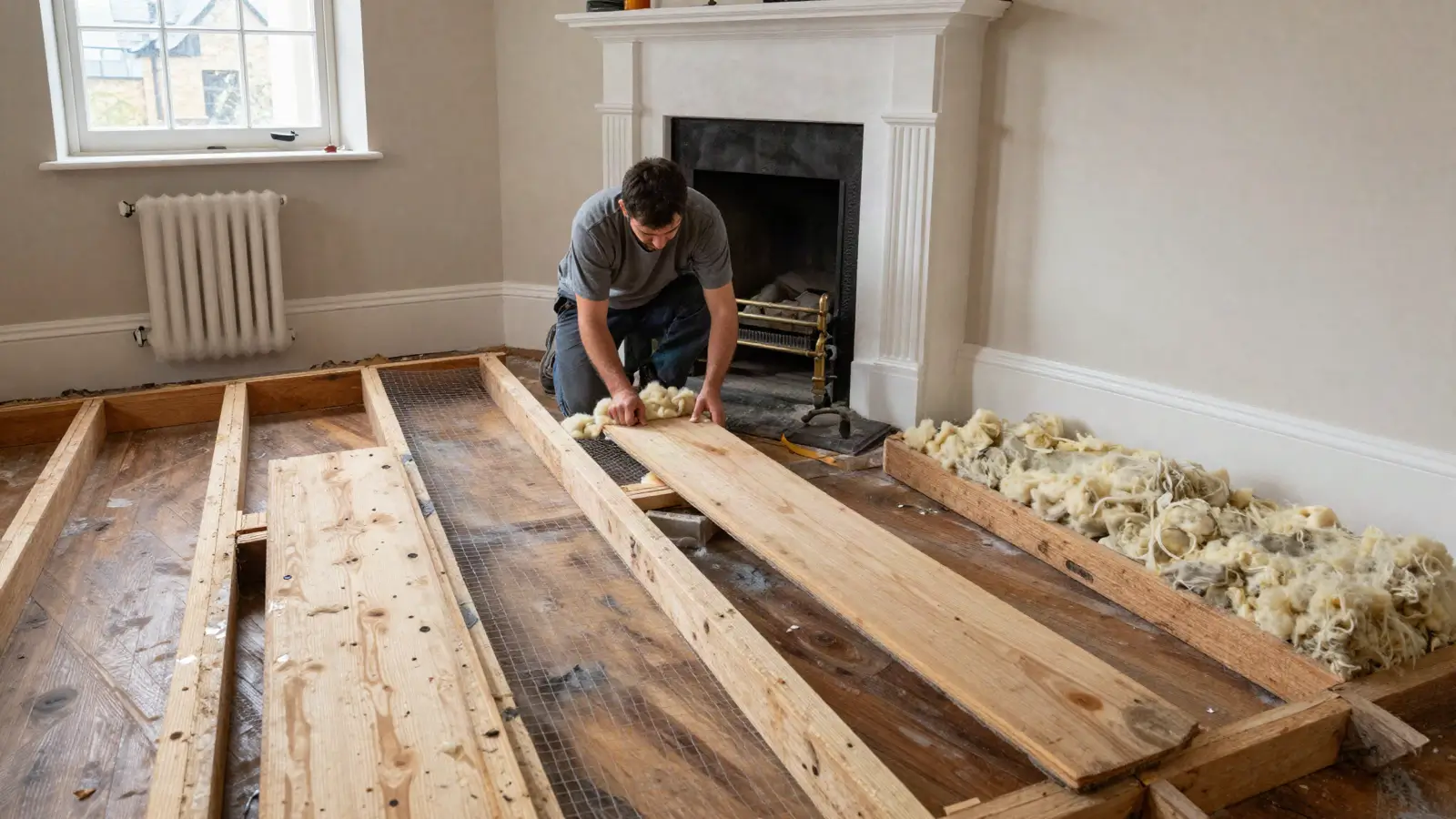
Underfloor insulation and draught proofing: cheap fixes for a cold house
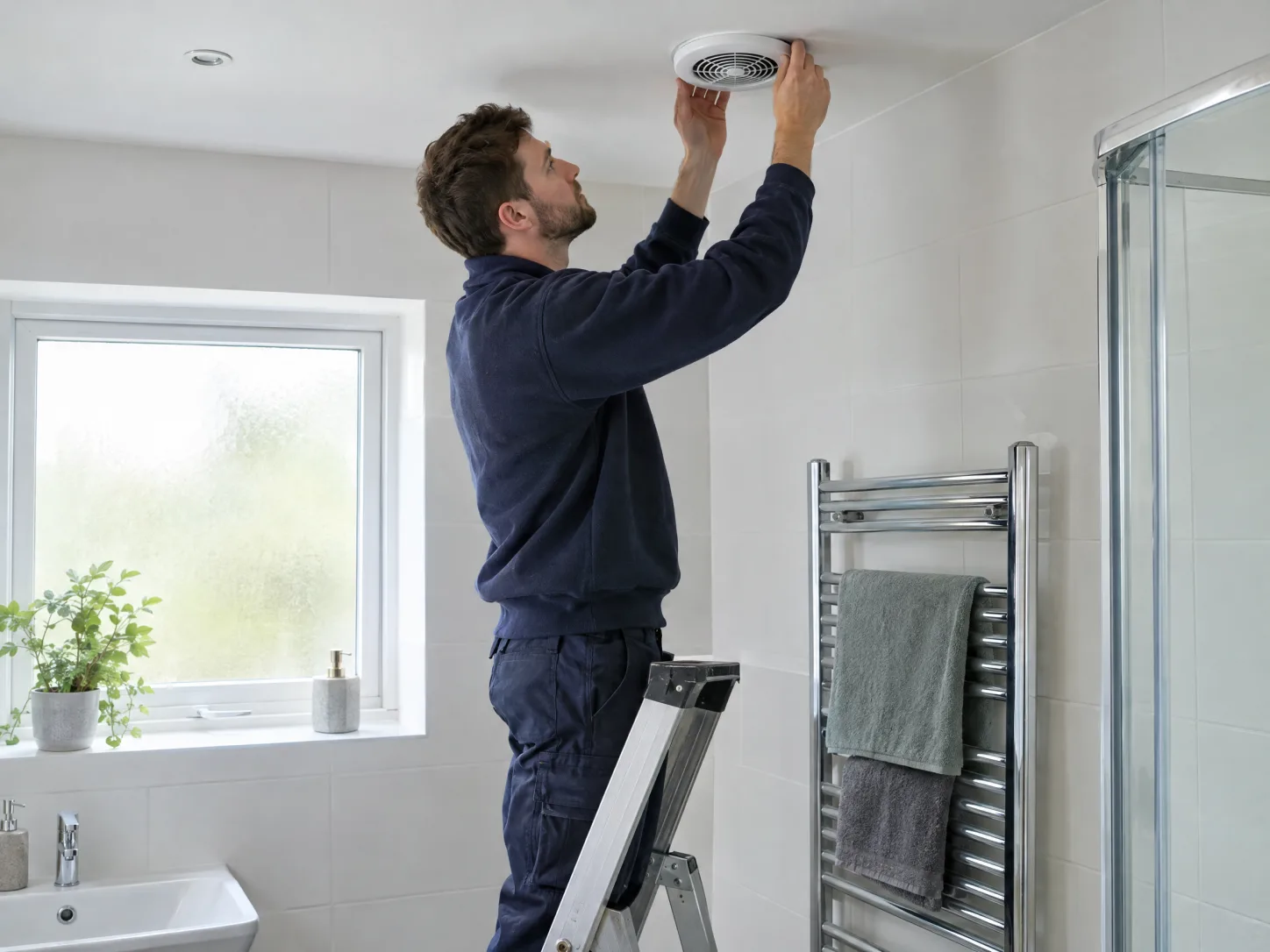
Insulation checklist: permissions, ventilation and paperwork
What each measure fixes, and what comes first
The median gas saving DESNZ measured in real homes, how disruptive each job is, and what needs doing before it.