- External wall insulation costs about £100 per square metre, including scaffolding.
- A whole home typically costs between about £8,000 and £22,000, depending on size.
- Scaffolding, moving pipes and flues, and the type of finish all add to the price.
- It usually needs Building Regulations approval, and sometimes planning permission.
- Lower-income households may get it funded through council grants or, until 31 December 2026, ECO4.
External wall insulation typically costs around £100 per square metre, including scaffolding. For a whole house, that usually works out between about £8,000 for a small home and £22,000 for a large detached one, according to Checkatrade's 2026 cost guide.
It is one of the bigger insulation jobs, but for homes with solid walls it is often the most effective way to cut heat loss without losing any room space. This guide breaks down the costs and what changes them.
What is external wall insulation?
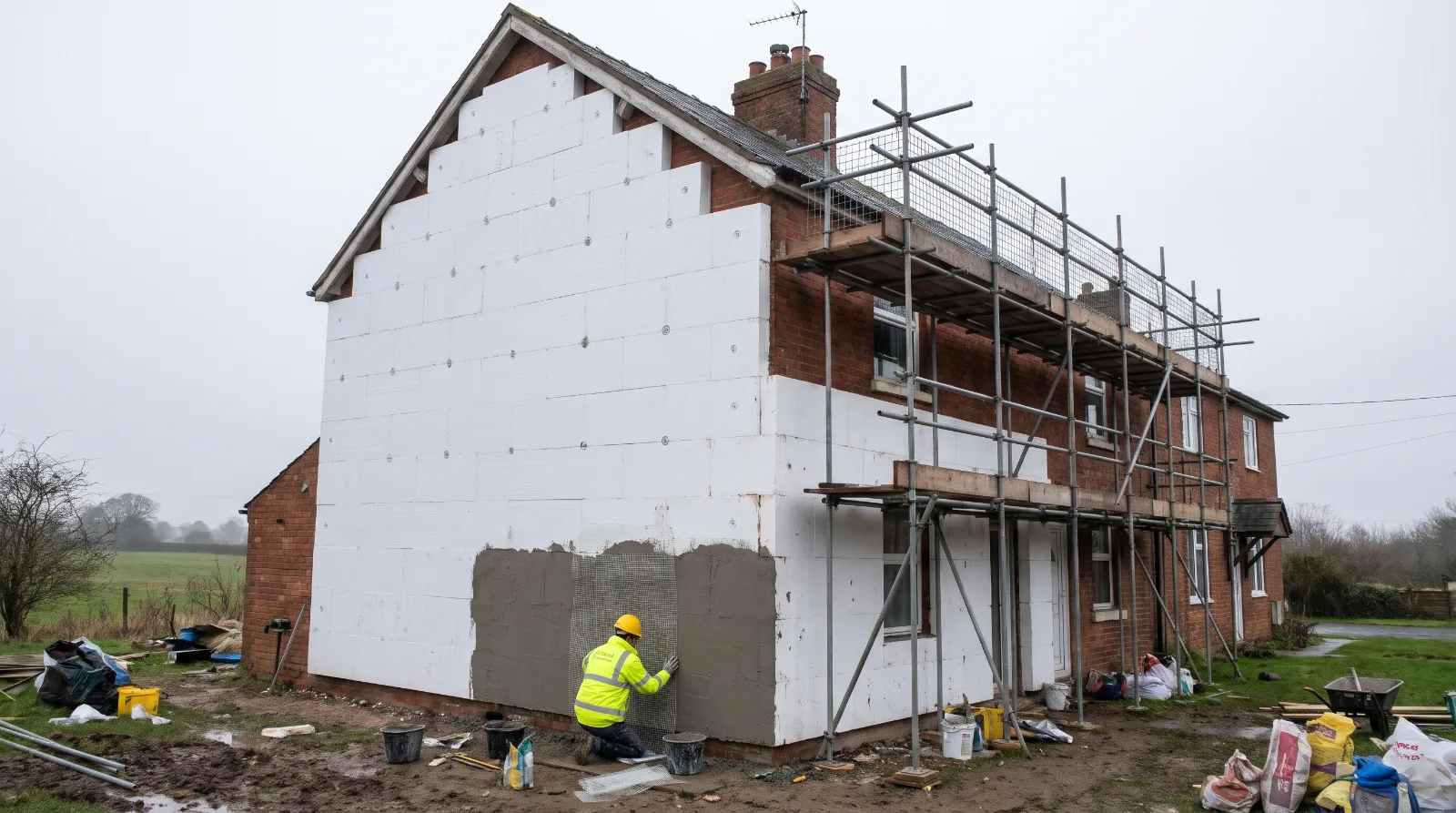
External wall insulation, often shortened to EWI, is a layer of insulation boards fixed to the outside walls of your home, then covered with a weatherproof render or cladding. It wraps the house in a warm coat.
It is mainly used on homes with solid walls, which were common before the 1920s and have no cavity to fill. If you are not sure which you have, our guide to telling solid and cavity walls apart explains how to check.
How much does external wall insulation cost?
As a rough guide, based on about £100 per square metre:
- Small flat: from about £8,000
- Mid-terrace house: usually towards the lower end, because only the front and back walls need doing
- Semi-detached house: mid-range, with three walls to cover
- Large detached house: up to about £22,000 or more
Every quote depends on the wall area, so a surveyor will measure your home before giving a firm price.
What affects the price?
- Scaffolding. Most homes need it, and it is charged by the week. Checkatrade puts a single scaffold up to 10 metres at around £625 a week. Bungalows can often be done without it.
- Access and obstacles. Conservatories, extensions and tight side passages make the job slower.
- Moving fittings. Drainpipes, satellite dishes, boiler flues, outside lights and window sills often need moving or extending.
- Finish. A plain render costs less than brick-effect slips or timber-look cladding.
- Insulation type and thickness. Thicker or higher-performance boards cost more but save more.
- Where you live. Prices are usually higher in London and the South East.
Is external wall insulation worth it?
For a solid-walled home, it can make a real difference to comfort and bills. Solid walls lose much more heat than insulated cavity walls, so insulating them tackles one of the biggest sources of heat loss. It also:
- keeps every room the same size, unlike insulating from the inside
- can be done while you live at home
- refreshes the look of the outside of the house
- helps a heat pump work more efficiently, if you plan to fit one later
Because the upfront cost is high, payback can be long if you pay the full price yourself. Doing it alongside other work that already needs scaffolding, such as a new roof or render repairs, makes better financial sense. Our guide to whether insulation is worth it compares the main options.
Do you need permission?
External wall insulation usually counts as building work under Building Regulations, so your installer should either be registered with a competent person scheme or apply to building control.
It can also need planning permission if it changes how your home looks, particularly in a conservation area or on a listed building. Check with your council before you commit, especially if you want a different finish from your neighbours.
Can I get a grant?
Some households can get external wall insulation funded:
- Warm Homes: Local Grant (England). Run by councils for households with an income of about £36,000 or less in homes rated EPC D to G, while funding lasts.
- ECO4. Can fully fund insulation for households on certain benefits, but it closes on 31 December 2026 and work must be finished by then. Our post on ECO4 closing explains what comes next.
See our insulation grants page for every scheme, or how to apply for an insulation grant.
Getting quotes
- Get at least three quotes, each based on a site visit.
- Ask what the price includes: scaffolding, moving pipes and flues, and making good around windows.
- Check the installer is TrustMark registered.
- Ask for an insurance-backed guarantee. SWIGA, the solid wall insulation trade body, offers a 25-year guarantee through its members.
Common questions
How long does external wall insulation take?
A typical house often takes one to three weeks, depending on its size, the finish and the weather. Render cannot be applied in very cold or wet conditions.
Is internal wall insulation cheaper?
Usually, yes, per room. But it takes some floor space from each room and means redecorating. Our guide to insulation costs compares the options.
Can external wall insulation cause damp?
Fitted properly, it should keep walls warmer and drier. Problems come from poor detailing around windows, roofs and the ground, which is why choosing an experienced, accredited installer matters.
Find out what your walls would cost to insulate
Tell us your postcode for a free, no-obligation quote from a TrustMark-registered installer, based on a survey of your home.
Free and no obligation. We only share your details with the installers we match you with.
What the accreditations actually mean
Certification is the clearest signal you have that an installer is competent, and that you are protected if something goes wrong. Here is what each one covers.



Keep reading
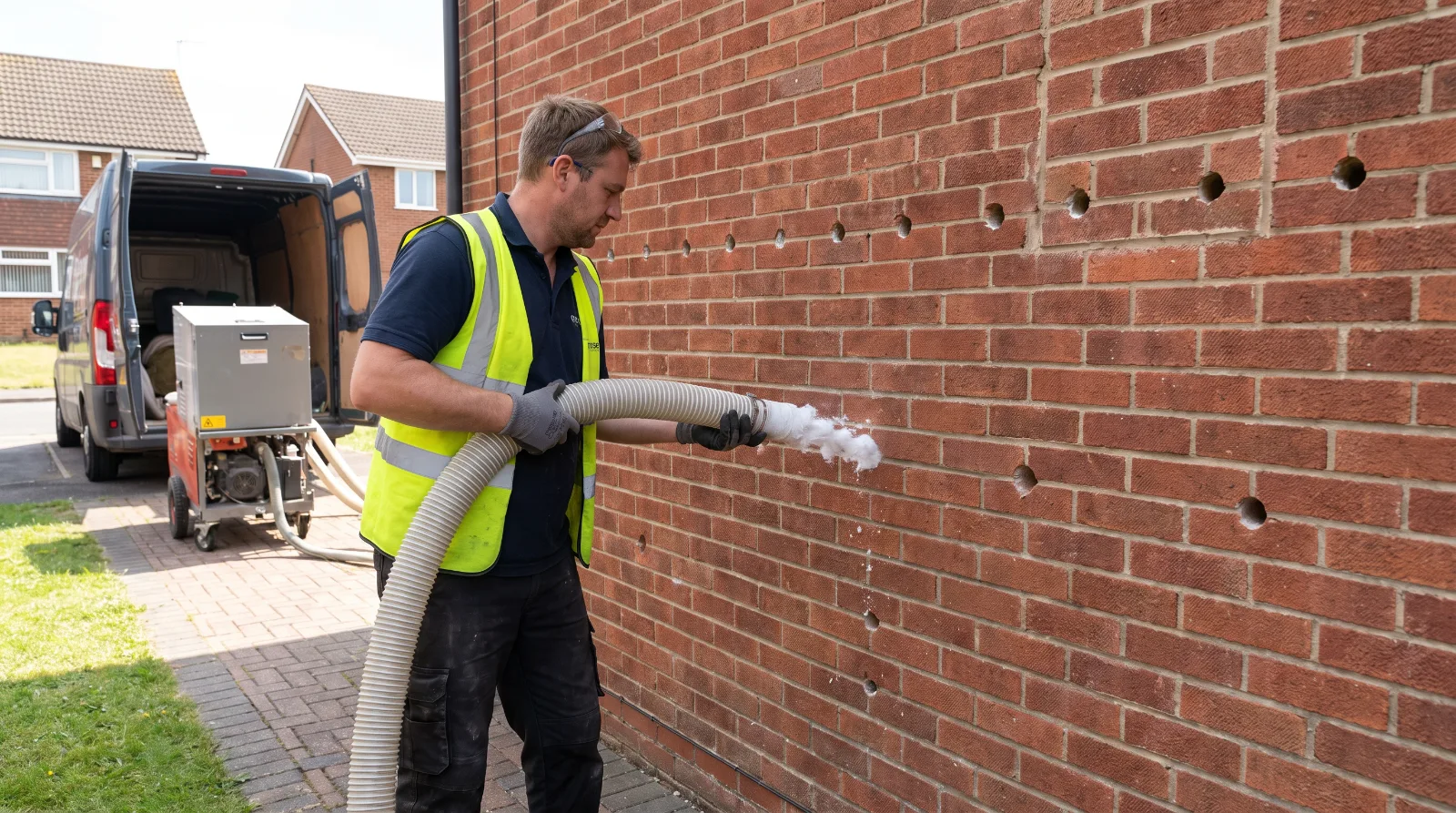
How much is cavity wall insulation? 2026 costs, savings and grants